800-262-4205
Community Bridges — Dodge Residential
About Community Bridges — Dodge Residential
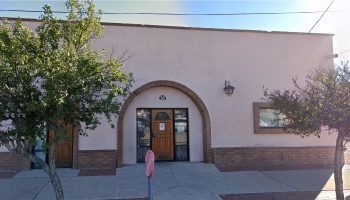
The Joan McNamara Center for New Directions was transferred to the Community Bridges network back in 2016. Community Bridges is an integrated behavioral health care organization that’s been providing services across Arizona, Oklahoma and Washington, D.C. since 1982. This address is for the Dodge Center location in Tucson, Arizona, where they provide outpatient services and residential treatment for individuals struggling with addiction.
Behavioral & Medical Interventions
The residential program combines medical and behavioral interventions in a comprehensive program to meet your treatment needs. Treatment begins with an evaluation to develop a customized treatment plan so you can achieve your short and long term recovery goals. The center provides a broad range of treatment opportunities, including urgent psychiatric assessment, referral and placement.
Your customized treatment program may begin with detox and medication assisted treatment (MAT). You have 24/7 access to care that is supported by medical staff and peer support specialists under the direction of a licensed medical practitioner.
Client programs can also include group and individual therapy and an introduction to 12 Step and SMART Recovery programs. In addition to substance use disorder treatment, they may also engage in anger management programs, life skills and relapse prevention groups.
Special Programs & Discharge Planning
Additionally, they include comprehensive discharge planning with transition to outpatient services at the same location to ensure your care in the community continues. Community Bridges staff also offers several programs for special populations, including veteran programs to help transition into community living and support systems for veteran families.
Other services are offered for women and children, adolescents and those with serious mental illness. Professional monitoring services are provided for healthcare professionals and professionals such as lawyers, pilots and business professionals with substance use disorders.
| Levels of Care | Detox Service Setting | Programs | Payment Options | ||
|---|---|---|---|---|---|
|
Inpatient and residential programs provide round-the-clock medical and emotional support as you live at the treatment facility. This level of care may be recommended if you have severe addictions or mental health conditions since it removes outside distractions and allows you to focus solely on therapy. |
Dual diagnosis programs address substance use disorders and co-occurring mental health conditions simultaneously. This integrated approach to care improves the likelihood of long term recovery and stability by addressing the root causes of addiction. |
||||
|
Inpatient detox occurs in a dedicated treatment facility. You’ll live there around the clock and receive intensive medical support and supervision to help manage your withdrawal symptoms. It is suitable for individuals with moderate to severe addictions as it ensures a stable detox environment. |
|||||
|
Adult programs address the substance use and life challenges specific to adults. Therapists can deliver sessions in individual, group and family settings. Services often include job support and life skills training in a structured environment.
|
Alcohol detox programs offer medical support to help individuals withdraw safely from alcohol. Your care team may use medications to ease your symptoms and provide medical monitoring to address complications.
|
Men's programs address substance use while also considering the social pressures, family roles and mental health concerns that are specific to men. You’ll learn healthy coping mechanisms as you build emotional resilience and develop communication skills.
|
Opioid detox uses medications to ease severe withdrawal symptoms. It also includes medical supervision to help you manage potential complications. These services allow you to stabilize and begin a recovery plan.
|
Women's programs offer a safe and supportive space to focus on gender specific issues such as trauma, family roles and mental health conditions. Therapists tailor the sessions to address women's needs and foster empowerment in a healing and nurturing environment.
|
Young adult programs are designed for individuals who are transitioning into adulthood. Topics of discussion typically include identity, independence and peer relationships. Providers may also offer life skills training and career support.
|
|
Medicaid
|
Private Insurance
|
Self Pay
|
Levels of Care
Inpatient and residential programs provide round-the-clock medical and emotional support as you live at the treatment facility. This level of care may be recommended if you have severe addictions or mental health conditions since it removes outside distractions and allows you to focus solely on therapy.
Dual diagnosis programs address substance use disorders and co-occurring mental health conditions simultaneously. This integrated approach to care improves the likelihood of long term recovery and stability by addressing the root causes of addiction.
Detox Service Setting
Inpatient detox occurs in a dedicated treatment facility. You’ll live there around the clock and receive intensive medical support and supervision to help manage your withdrawal symptoms. It is suitable for individuals with moderate to severe addictions as it ensures a stable detox environment.
Programs
Contact



Gayle Morris, BSN, MSN, received her bachelor’s degree from the University of Illinois Chicago Medical Center and her first master’s degree from Indiana University Purdue University Indianapolis. She practiced nursing for more than two decades with a focus on pediatric physical rehabilitation, helping children and their parents after a head injury or spinal cord injury. She has been a freelance writer in health, wellness, and mental health for more than 15 years. She loves exercise, her dogs and guinea pigs, and gardening.

Peter W.Y. Lee is a historian with a focus in American Cold War culture. He has examined how popular culture has served as a coping mechanism for the challenges and changes impacting American society throughout the twentieth century.
Detox.com regularly reviews this listing for accuracy but changes may occur between updates. For the most up-to-date information, please contact Community Bridges — Dodge Residential.