Find Drug & Alcohol Detox Centers in Milwaukee, WI

Milwaukee is also known as Beer City or Brew City, which unfortunately highlights the issue of alcohol abuse among its population. However, this also makes Milwaukee no different than many other large cities where multiple types of substance abuse have become a serious problem as well. We want to help you find drug and alcohol detox facilities where you can put a stop to your substance abuse.

Detox is often a beneficial first step on the way to recovery and sobriety, so call 414-455-5585 today to find the treatment you need in drug and alcohol detox centers in Milwaukee, WI.

Detox Centers in Milwaukee

15 Results
Filters
Setting
Medications Offered
Treatment
Programs
Payment Options
Name Address Detox Service Setting Levels Of Care Media

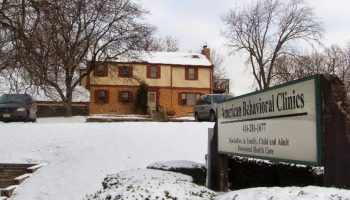
American Behavioral Clinic Layton Clinic

7330 West Layton Avenue Milwaukee, WI 53220
Detox Service Setting
Outpatient Detox
Levels Of Care
OutpatientDual Diagnosis
American Behavioral Clinic Layton Clinic

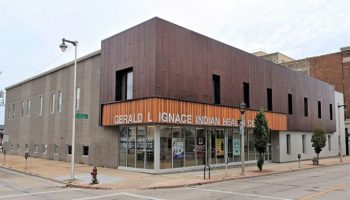
Gerald L. Ignace Indian Health Center

930 West Historic Mitchell Street Milwaukee, WI 53204
Detox Service Setting
Inpatient DetoxOutpatient DetoxMAT
Levels Of Care
InpatientOutpatient
Gerald L. Ignace Indian Health Center

Great Lakes Adult & Teen Challenge

5301 North 91st Street Milwaukee, WI 53225
Detox Service Setting
Inpatient DetoxOutpatient Detox
Levels Of Care
InpatientOutpatientAftercare
Great Lakes Adult & Teen Challenge

Milwaukee Detox Center

2835 North 32nd Street Milwaukee, WI 53210
Detox Service Setting
Levels Of Care
Dual Diagnosis
Milwaukee Detox Center

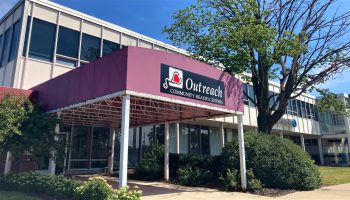
Outreach Community Health Centers Outpatient Clinic

210 West Capitol Drive Milwaukee, WI 53212
Detox Service Setting
Outpatient Detox
Levels Of Care
OutpatientAftercareDual Diagnosis+1
Outreach Community Health Centers Outpatient Clinic

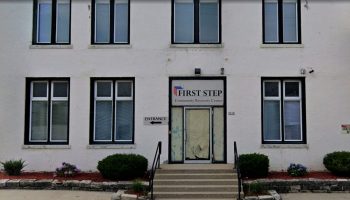
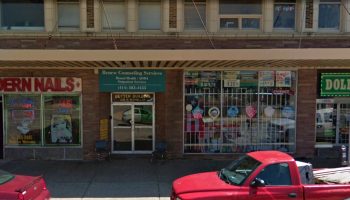
Renew Counseling Services

1225 West Mitchell Street Milwaukee, WI 53204
Detox Service Setting
Outpatient Detox
Levels Of Care
OutpatientDual Diagnosis
Renew Counseling Services

WCS Unlimited Potential Outpatient Clinic

3732 West Wisconsin Ave Milwaukee, WI 53208
Detox Service Setting
Outpatient Detox
Levels Of Care
OutpatientDual Diagnosis
WCS Unlimited Potential Outpatient Clinic

West Milwaukee Comprehensive Treatment Center

1610 Miller Park Way Milwaukee, WI 53214
Detox Service Setting
Outpatient Detox
Levels Of Care
OutpatientDual Diagnosis
West Milwaukee Comprehensive Treatment Center

Meta House

2625 North Weil Street Milwaukee, WI 53212
Detox Service Setting
Hospital DetoxInpatient DetoxOutpatient Detox
Levels Of Care
InpatientOutpatientDual Diagnosis+3

Milwaukee Women’s Center

728 North James Lovell Street Milwaukee, WI 53233
Detox Service Setting
Hospital DetoxOutpatient Detox
Levels Of Care
OutpatientDual DiagnosisAftercare

Rogers Memorial Hospital Milwaukee

Milwaukee, WI 53227
Detox Service Setting
Hospital DetoxInpatient DetoxOutpatient Detox+1
Levels Of Care
InpatientOutpatientPHP+1

Roots Recovery Houses Milwaukee Men’s Sober Living

2973 N Murray Ave Milwaukee, WI 53211
Detox Service Setting
Inpatient DetoxOutpatient Detox
Levels Of Care
InpatientOutpatient

Shorehaven Behavioral Health Inc

3900 West Brown Deer Road Milwaukee, WI 53209
Detox Service Setting
Hospital DetoxInpatient DetoxOutpatient Detox+1
Levels Of Care
InpatientOutpatient

The Salvation Army Adult Rehabilitation Center

324 North Jackson Street Milwaukee, WI 53202
Detox Service Setting
Hospital DetoxInpatient DetoxMAT
Levels Of Care
Inpatient

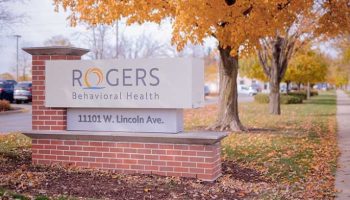
Rogers Behavioral Health West Allis

11101 W Lincoln Ave West Allis, WI 53227
Detox Service Setting
Inpatient DetoxOutpatient Detox
Levels Of Care
InpatientOutpatient
Rogers Behavioral Health West Allis

Drug & Alcohol Detox in Milwaukee, WI

Milwaukee has a well-developed network of detox and substance use treatment programs, shaped by both state licensing rules and a county-level public health infrastructure that has invested heavily in overdose prevention over the past several years.

A notable feature of Milwaukee’s treatment environment is the impact of opioid settlement funding. In 2023, Milwaukee County confirmed it would receive $111 million over 18 years through nationwide opioid settlements, the largest amount recovered by any local government in Wisconsin history. As of 2025, $34 million had been allocated across three cohorts of projects covering residential treatment, harm reduction supplies, peer navigation and MAT expansion. These funds are actively reshaping what’s available and where.

One Wisconsin-specific factor worth understanding before choosing a facility is that ForwardHealth (BadgerCare Plus), the state Medicaid program, covers substance use disorder treatment services, but does not cover room and board in residential programs.

As such, people using Medicaid for residential care in Milwaukee often need to coordinate with county services or providers to cover that cost gap.

All detox and withdrawal management facilities in the city are regulated under Wisconsin Administrative Code Chapter DHS 75 (Community Substance Use Service Standards), administered by the Wisconsin Department of Health Services (DHS). Facilities seeking Medicaid reimbursement must hold a separate certification through the DHS Division of Quality Assurance.

Additionally, Milwaukee County Behavioral Health Services (BHS), through its Community Access to Recovery Services (CARS) program, serves as the primary local authority coordinating treatment access, harm reduction and prevention programming across the county’s 19 municipalities.
Find The Perfect Detox Center For You

Filter treatment centers in Milwaukee by level of care offered to find the best detox program for you or a loved one.

Paying for Detox in Milwaukee

The cost of detox in Milwaukee varies widely depending on the level of care, the substances involved, the length of stay and whether treatment is sought through a hospital, residential facility or outpatient program. In most cases, insurance coverage, Medicaid eligibility and access to opioid settlement-funded programs can significantly reduce what a person pays out of pocket.

Understanding how much detox costs before you begin can help you plan and ask the right questions during intake.

How Much Does Detox Cost in Milwaukee?

Cost estimates for detox in Milwaukee generally are based on Wisconsin state averages, as Milwaukee-specific facility-level pricing is not publicly standardized. Medical complexity, polydrug use and length of stay are among the biggest drivers of total cost.

$139,601
Medical Detox
$6,000+
Inpatient Rehab
$1,000-$1,500
Outpatient Rehab
~$7,400 (per year)
Methadone Treatment

Does Private Insurance Cover Detox in Milwaukee?

Private insurers in Wisconsin must comply with the federal Mental Health Parity and Addiction Equity Act, which requires substance use disorder benefits to be covered at the same level as comparable medical benefits. The Wisconsin Office of the Commissioner of Insurance oversees plan compliance.

Residents can check plan networks and coverage at healthcare.gov.

The most common commercial insurers in Milwaukee include:

United Health Care
Anthem
Humana
Aetna
Cigna

Medicare and Medicaid in Milwaukee

Medicare

Medicare covers inpatient and outpatient drug and alcohol detox services in Milwaukee. Part A covers inpatient hospital-based treatment. Part B covers services through certified Opioid Treatment Programs (OTPs), including methadone, buprenorphine and naltrexone. Copays and deductibles vary by plan and care setting.

Medicaid

Wisconsin Medicaid, known as ForwardHealth (BadgerCare Plus), covers substance use disorder treatment, including detox and residential care, at certified facilities.

A key Wisconsin-specific limitation: ForwardHealth does not cover room and board in residential programs. People using Medicaid for residential treatment in Milwaukee typically coordinate with county human services or providers to bridge that gap.

To help cover these expenses, Milwaukee County has directed opioid settlement funds toward room-and-board support for Medicaid members in residential SUD treatment.

Other Ways to Pay for Detox Treatment

Cost should not prevent someone from seeking care in Milwaukee. Several programs offer alternative payment paths:

Sliding Scale Fees: 

Outreach Community Health Centers, a federally qualified health center with Milwaukee locations, offers sliding-scale fees for uninsured and low-income patients seeking substance use treatment.

Nonprofits and Free Programs: 

The Salvation Army Adult Rehabilitation Center in Milwaukee offers a free, six-month residential recovery program for men, funded through work therapy. No insurance is required.

Milwaukee County Access Clinics:

Milwaukee County BHS operates Access Clinics for uninsured residents in behavioral health or co-occurring crises, providing a direct entry point into county-funded services.

Veterans Programs: 

The Clement J. Zablocki VA Medical Center in Milwaukee provides substance use disorder treatment to eligible veterans, including inpatient and outpatient services covered through VA benefits.

Opioid Settlement Funds: 

Milwaukee County has allocated settlement funding toward residential SUD treatment costs, including room-and-board support for Medicaid members. Contact Milwaukee County BHS/CARS for current program availability.

Milwaukee, Wisconsin Regulations and Accreditation for Detox

A mix of key regulatory and accreditation bodies oversees detox and withdrawal management services in Milwaukee and Wisconsin, including:

Wisconsin Department of Health Services (DHS)

The Wisconsin DHS is the primary state authority for licensing and regulating substance use treatment programs. Facilities serving Medicaid patients or receiving state funding must be certified under Wisconsin Administrative Code Chapter DHS 75, which governs staffing standards, clinical protocols, placement criteria and patient rights.

Furthermore, the DHS Division of Quality Assurance handles certification applications and renewals for all program types, from outpatient detox to medically managed inpatient withdrawal management.

Wisconsin Administrative Code, Chapter DHS 75

Chapter DHS 75 (Community Substance Use Service Standards) is the operative state code defining program certification requirements, levels of care, placement criteria (using Wisconsin Uniform Placement Criteria or ASAM standards) and clinical standards for all SUD facilities receiving public funding in Wisconsin.

Detox facilities in Milwaukee are certified under specific sub-sections of this code, such as DHS 75.07 (medically monitored residential detoxification) and DHS 75.09 (residential intoxication monitoring).

Milwaukee County Behavioral Health Services (BHS) / Community Access to Recovery Services (CARS)

BHS serves as Milwaukee County’s local public behavioral health authority. Through the CARS program, BHS coordinates prevention, harm reduction, access to treatment and peer navigation services countywide.

BHS also manages the county’s harm reduction vending machine network, the Better Ways to Cope campaign and the distribution of opioid settlement funds to community providers.

Facilities contracting with BHS must meet both DHS 75 standards and county-specific program requirements.

SAMHSA / Federal OTP Regulations (42 CFR Part 8)

Federal SAMHSA regulations under 42 CFR Part 8 govern all Opioid Treatment Programs (OTPs) providing methadone and buprenorphine for opioid use disorder treatment. These federal rules set minimum standards for OTP certification, patient admission criteria, dosing, take-home medication policies and counseling requirements. Wisconsin adds additional requirements on top of the federal baseline.

Website: samhsa.gov

Key MAT Medications and Regulatory Status in Milwaukee

Medication-assisted detox in Milwaukee is governed by a combination of federal SAMHSA OTP rules and Wisconsin DHS 75 standards. State oversight requires that counseling and behavioral therapy be integrated with MAT services.

Wisconsin has more than 700 healthcare providers authorized to prescribe buprenorphine statewide.

Buprenorphine: 

Widely accessible in Milwaukee through office-based providers and telehealth programs. Rogers Behavioral Health operates the WORTH IT program, which provides buprenorphine access via telehealth across Wisconsin (call 844-582-7827). This flexibility allows patients to initiate or continue treatment without daily clinic visits.

Methadone: 

Restricted to federally certified OTPs and cannot be obtained at a standard pharmacy. Wisconsin has only 31 state-certified OTP locations statewide. The nearest Milwaukee-area OTP is West Milwaukee Comprehensive Treatment Center (1610 Miller Park Way, West Milwaukee, WI 53214). Wisconsin imposes additional restrictions on top of federal rules, including a 30mg starting dose cap that providers and researchers have flagged as outdated for patients with fentanyl use histories.

Naltrexone: 

Non-controlled and unrestricted; any licensed healthcare provider may prescribe it. Available as a daily oral tablet or a monthly Vivitrol injection. Over 100 Wisconsin locations offer naltrexone, and it requires no special clinic enrollment, though patients must be fully detoxed before starting.

Overdose Prevention and Harm Reduction in Milwaukee

Milwaukee has one of the more active harm reduction networks among U.S. cities of its size, built in response to years of high overdose rates. Fentanyl has driven much of that mortality, and the county’s harm reduction strategy centers on putting naloxone, fentanyl test strips, Xylazine test strips and safer-use supplies into the hands of people who need them.

In 2024, Milwaukee saw a 30% decrease in fatal overdoses, which local leaders partly attribute to expanded access to harm reduction tools and medication-assisted treatment.

Milwaukee County BHS Harm Reduction Vending Machines

Free nasal naloxone (Narcan) Fentanyl and Xylazine test strips Medication deactivation pouches Medication lock bags Gun locks Safe syringe disposal supplies

Milwaukee County Behavioral Health Services, in partnership with Vivent Health’s Lifepoint program, operates a network of harm reduction vending machines distributed across the county’s 19 municipalities.

Machines are placed at community agencies, health centers and other high-traffic locations based on overdose data. All supplies are free, available without registration and accessible anonymously.

A county dashboard tracks machine coverage relative to overdose trends.

Vivent Health Lifepoint Program

Sterile syringe exchange and safe disposal Free naloxone and overdose prevention education Fentanyl test strips HIV and hepatitis C testing Harm reduction counseling Linkage to substance use treatment

Vivent Health’s Lifepoint program has operated in Milwaukee for more than 25 years and is one of the city’s longest-running syringe service programs. It serves people who inject drugs without judgment, providing both in-clinic services and community outreach.

Lifepoint also restocks Milwaukee County’s BHS vending machines and offers a home delivery service for harm reduction supplies through an online depot partnership with the county.

UMOS Health Promotions Syringe Exchange

Syringe exchange and safe sharps disposal Naloxone distribution and training HIV and STI testing Harm reduction supply delivery (Monday through Thursday, 9 am to 4 pm) Condom distribution and referrals to treatment

UMOS operates a walk-in syringe exchange at 2701 S. Chase Ave. (Suite E), open Tuesdays and Wednesdays from 9 am to 4 pm. Their mobile delivery service extends reach to people who cannot access the physical site.

UMOS focuses on Latino and other underserved communities in Milwaukee and integrates harm reduction with broader health promotion services.

Milwaukee Health Department (City of Milwaukee)

Free naloxone distribution at city health centers (Keenan Health Center, Northwest Health Center, Southside Health Center, and others) Free naloxone by mail (shipped at no cost) Fentanyl test strip distribution Overdose prevention education

The City of Milwaukee Health Department distributes free naloxone through multiple neighborhood health centers and through a mail program that ships supplies to residents across the city. No appointment or identification is required.

The department’s overdose prevention work operates through both the Office of African American Affairs and the main Health Department, with particular attention to communities experiencing the highest rates of overdose mortality.

Detox Statistics in Milwaukee, Wisconsin

Milwaukee County has seen measurable progress in reducing overdose deaths after reaching a peak in 2022, driven by coordinated investments in harm reduction, treatment access and opioid settlement-funded programming.

Unfortunately, significant disparities remain, particularly among Black residents, and stimulant-laced drug supplies are creating new challenges for prevention and response.

4th Consecutive Year of Declining Overdose Deaths:

Milwaukee County recorded 387 fatal overdoses in 2025, a 17.7% decrease from 2024 and the fourth straight year of decline after the 2022 peak.

Cocaine Surpassed Fentanyl in 2024 Deaths: 

In 2024, cocaine was involved in more overdose deaths in Milwaukee County (295) than fentanyl (290), the first time that had occurred since 2016. Providers attribute this partly to opioids increasingly being used to cut stimulant supplies.

Racial Disparity in Fatal Overdose Rates:

African Americans in Milwaukee County experienced fatal drug overdose deaths at a rate of 76 per 100,000 in 2024, compared to 42 per 100,000 for white residents, highlighting ongoing gaps in access to treatment and recovery support.

FAQs About Detox in Milwaukee, WI

Does Wisconsin Medicaid (ForwardHealth/BadgerCare Plus) cover detox in Milwaukee?

Yes, ForwardHealth/BadgerCare Plus covers substance use disorder treatment, including detox and residential care, at certified facilities in Milwaukee. One important limitation: the residential benefit does not cover room and board.

People using ForwardHealth for inpatient or residential programs typically need to coordinate room-and-board costs with Milwaukee County BHS or the treatment provider directly.

How can I access detox in Milwaukee without insurance?

Several options exist for uninsured Milwaukee residents. Milwaukee County BHS operates Access Clinics that provide entry into county-funded behavioral health services regardless of insurance status.

For example, The Salvation Army Adult Rehabilitation Center offers a free six-month residential recovery program for men. Whereas, Outreach Community Health Centers provides outpatient detox and SUD services on a sliding-fee scale based on income.

Calling 211 can connect you to the Wisconsin Addiction Recovery Helpline and a current list of available low- or no-cost providers in the area.

Is methadone treatment accessible in Milwaukee?

Access is more limited than for other MAT medications. There are only 31 certified opioid treatment programs (OTPs) statewide, and Wisconsin’s rules add restrictions on top of federal minimums, including a 30mg starting dose cap that providers say is outdated for patients with fentanyl use histories.

The nearest OTP in the Milwaukee area is West Milwaukee Comprehensive Treatment Center at 1610 Miller Park Way. Buprenorphine is a more accessible alternative, with over 700 Wisconsin providers authorized to prescribe it, including via telehealth.

Where can I get free naloxone in Milwaukee?

Free naloxone is available from several sources across the city. Milwaukee County harm reduction vending machines stocked by BHS and Vivent Health Lifepoint are placed at community locations throughout the county.

Some examples include the City of Milwaukee health centers at Keenan, Northwest and Southside locations, which distribute naloxone at no cost. UMOS provides naloxone on a walk-in basis on Tuesdays and Wednesdays, and through mobile delivery on Mondays through Thursdays.

The Milwaukee Health Department also ships free naloxone by mail to Milwaukee residents without a prescription.

Does Milwaukee have detox or treatment programs for veterans?

Yes. The Clement J. Zablocki VA Medical Center in Milwaukee provides substance use disorder treatment services for eligible veterans, including inpatient and outpatient programs.

The Wisconsin Department of Veterans Affairs also operates the Veterans Outreach and Recovery Program (VORP), which provides case management, treatment navigation and connections to housing and employment support for veterans in recovery.

Veterans with questions about eligibility can contact the Zablocki VA directly or call the Wisconsin VORP through the state Department of Veterans Affairs.

Two people talking
Get Help Today!
If you or a loved one is in need of help, call today. Pick up the phone and get the help you need.
800-483-2193
Confidential. Available 24 Hours
Get Help Today Phone icon 800-779-4314