800-262-4205
Naaman Center Elizabethtown

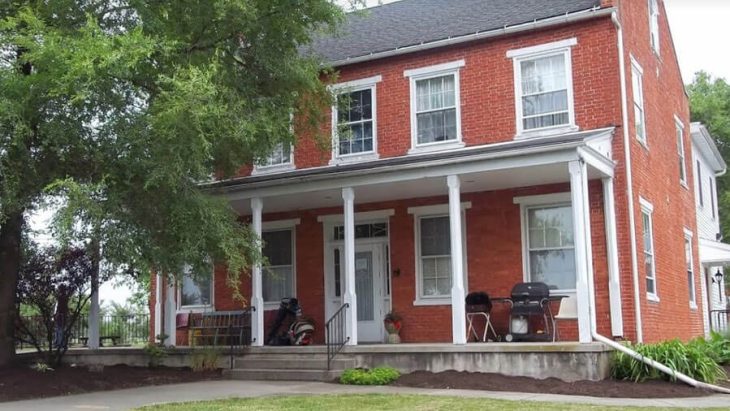
About Naaman Center Elizabethtown
Naaman Center was born in 1990 from a vision of healing and faith. They first opened their doors in the Pennsylvania city of Elizabethtown as a clinic for substance use and co-occurring disorders. They’ve since grown to six locations, offering inpatient detox to outpatient treatment.
Inspired by the biblical figure Naaman, the Center’s mission is to deliver evidence-based care in a Christian and faith-driven environment filled with compassion by helping adults and adolescents aged between 14 and 17 to embrace recovery.
Naaman Center Elizabethtown is situated northwest of Elizabethtown Community Park and four miles west of the Railroad Museum of Pennsylvania. This facility delivers general and intensive outpatient (IOP) support alongside medication assisted treatment (MAT).
Clients with severe substance use or co-occurring conditions may be referred to Naaman Center Rehrersburg for detox and full recovery support. Detox at this clinic includes MAT for a more comfortable withdrawal alongside pastoral support, regular check-ins and prayer.
Flexible, Integrated Support for Healing
Outpatient recovery at Naaman Center Elizabethtown guides you toward a supportive journey of whole-person healing through integrated and flexible care. A thorough intake assessment helps the care team determine if OP and IOP are suitable for you. Both have flexible morning and evening sessions to enable you to maintain jobs and home responsibilities.
IOP offers structured support encompassing therapy sessions and substance use education alongside 12 Steps. This focuses on addressing triggers to build effective strategies to prevent relapse. Your care team may prescribe MAT.
Specialized therapeutic support is offered to adolescents and youth. Emphasis is on managing self-esteem issues, peer pressure and building coping mechanisms that foster personal growth.
Their wraparound services include assistance with finding a stable job and accommodation to ensure stability. They can also help you navigate the criminal justice system including meeting probation requirements.
| Levels of Care | Detox Service Setting | Programs | Payment Options | |||
|---|---|---|---|---|---|---|
|
Outpatient therapy involves attending therapy sessions several times each week while living at home. This is suitable if you have a strong support system and a lower risk of relapse. Outpatient treatment offers flexibility to maintain other obligations such as work or school. |
Aftercare programs provide ongoing support for those who have completed a rehab program. These supports may include therapy, community groups and relapse prevention strategies. These resources give you a network of support as you reintegrate into daily life. |
Dual diagnosis programs address substance use disorders and co-occurring mental health conditions simultaneously. By addressing the root cause of addiciton, this approach improves the likelihood of long-term recovery and stability. |
||||
|
Outpatient detox provides access to medically supervised withdrawal services while still allowing the individual to live at home. Treatment and monitoring are provided. This flexible option is suitable for those with mild to moderate withdrawal symptoms who have strong support systems. |
||||||
|
Adult programs address the substance use and life challenges specific to adults. Therapists often deliver sessions in individual, group, and family settings. Job support and life skills training can also be provided.
|
Alcohol detox programs offer medical support to achieve safe withdraw from alcohol. Your care team may use medications to ease withdrawal symptoms. They also provide medical monitoring to address complications.
|
Cognitive behavioral therapy focuses on changing harmful thought patterns and behaviors associated with addiction. Participants learn healthier coping mechanisms by identifying and replacing negative thoughts. This improves emotional resilience and lowers the risk of relapse.
|
Men's programs address substance use issues as well as social pressures, family roles, and mental health concerns that are specific to men. Participants learn healthy coping mechanisms, emotional resilience, and communication skills.
|
Opioid detox uses medications to ease severe withdrawal symptoms. It also includes medical supervision to manage potential complications. These services allow individuals to stabilize and start a recovery plan.
|
Women's programs offer a safe and supportive space to focus on gender-specific issues such as trauma, family roles, and mental health conditions. Therapy sessions address women's needs and foster empowerment in a healing and nurturing environment.
|
Young adult programs are designed for individuals who are transitioning into adulthood. Discussion topics typically include identity, independence, and peer relationships. Participants may also receive life skills training and career support.
|
|
Payment Assistance
|
Medicaid
|
Private Insurance
|
Self Pay
|
Levels of Care
Outpatient therapy involves attending therapy sessions several times each week while living at home. This is suitable if you have a strong support system and a lower risk of relapse. Outpatient treatment offers flexibility to maintain other obligations such as work or school.
Aftercare programs provide ongoing support for those who have completed a rehab program. These supports may include therapy, community groups and relapse prevention strategies. These resources give you a network of support as you reintegrate into daily life.
Dual diagnosis programs address substance use disorders and co-occurring mental health conditions simultaneously. By addressing the root cause of addiciton, this approach improves the likelihood of long-term recovery and stability.
Detox Service Setting
Outpatient detox provides access to medically supervised withdrawal services while still allowing the individual to live at home. Treatment and monitoring are provided. This flexible option is suitable for those with mild to moderate withdrawal symptoms who have strong support systems.
Programs
Amenities
Accreditations

Accepted Insurance

Contact



Chika Uchendu has expertise in personal finance, technology, and health. His journalism and digital marketing background enables him to combine data-driven analysis with engaging storytelling. Chika uses his voice to drive awareness and meaningful change among people dealing with the pandemic of substance use disorder. Chika is an ambivert who enjoys sports, hiking, reading, and video gaming.

Peter W.Y. Lee is a historian with a focus in American Cold War culture. He has examined how popular culture has served as a coping mechanism for the challenges and changes impacting American society throughout the twentieth century.
Detox.com regularly reviews this listing for accuracy but changes may occur between updates. For the most up-to-date information, please contact Naaman Center Elizabethtown.