800-262-4205
Montefiore Substance Abuse Treatment Program
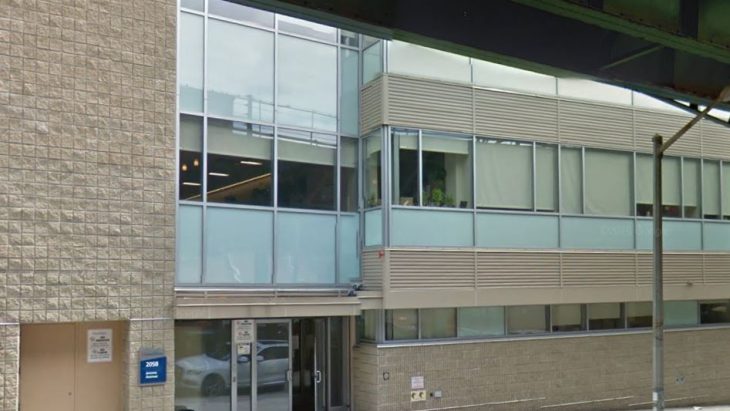
About Montefiore Substance Abuse Treatment Program
Montefiore Substance Abuse Treatment Program (SATP) is part of the facility’s Department of Psychiatry and Behavioral Sciences. Based in the New York City Bronx, New York, this program is available to adults aged 18 and older struggling with addiction and concurrent mental health issues.
Medicaid is accepted, along with other major insurance plans. Sliding scale fees are also available to low income individuals, while some may be linked up with financial assistance solutions where possible.
Opioid Treatment Programming (OTP) in The Bronx
The center’s SATP is designed to help participants craft a solid framework of harm reduction, and integrates medication assisted treatment (MAT) like buprenorphine, Suboxone and methadone as part of a holistic, comprehensive approach to addiction treatment.
MAT is combined with group and individual counseling, psychotherapy and psychiatry, as well as nutritional services. You’ll also have access to primary care services through the wider medical center for integrated support, as well as free fentanyl test strips and Narcan. Toxicology testing is available here too.
Holistic and Accessible Support in NYC
The center’s accessible central Bronx location is ideal for its convenience and proximity to major public transport routes. Since it’s part of the broader Montefiore Medical Center, you’ll also have access to further support when you need it.
The facility also works in close collaboration with various community organizations to offer vocational and educational support, as well as social services around employment, housing, and legal aid.
Prevention is also key here, with programming placing as much of an emphasis on treatment as on relapse and overdose prevention to ensure your long-term recovery success.
| Levels of Care | Detox Service Setting | Programs | Payment Options | ||
|---|---|---|---|---|---|
|
Outpatient
|
Dual Diagnosis
|
||||
|
Outpatient detox gives you access to medically supervised withdrawal services while still allowing you to live at home. You’ll attend a clinic for treatment and monitoring. This flexible option is suitable for those with mild to moderate withdrawal symptoms who have strong support systems. |
|||||
|
Adult programs include job support and life skills training in a structured environment. Services are designed to address the substance use and life challenges specific to adults. Therapy sessions happen in individual, group and family settings.
|
Alcohol detox programs offer medical support to help individuals withdraw safely from alcohol. Your care team may use medications to ease your symptoms, and they may provide medical monitoring to address complications.
|
Men's programs address substance use while also considering the social pressures, family roles, and mental health concerns specific to men. Participants learn healthy coping mechanisms, build emotional resilience, and develop communication skills.
|
Opioid detox uses medications to ease severe withdrawal symptoms. It includes medical supervision to help you manage potential complications. These services allow you to stabilize safely and begin a recovery plan.
|
Women's programs offer a safe and supportive space to focus on gender-specific issues such as trauma, family roles, and mental health conditions. Therapists tailor the sessions to address women's needs and foster empowerment in a healing and nurturing environment.
|
Young adult programs are designed for individuals who are transitioning into adulthood. Topics of discussion typically include identity, independence, and peer relationships. Providers may also offer life-skills training and career support.
|
|
Payment Assistance
|
Medicaid
|
Private Insurance
|
Self Pay
|
Levels of Care
Detox Service Setting
Outpatient detox gives you access to medically supervised withdrawal services while still allowing you to live at home. You’ll attend a clinic for treatment and monitoring. This flexible option is suitable for those with mild to moderate withdrawal symptoms who have strong support systems.
Programs
Contact



Lauren wears many hats, and works as a holistic deep tissue massage therapist, content strategist, and copywriter. She’s been writing copy and dreaming up content for a number of brands for almost 10 years, having worked with a mixture of B2B and B2C brand. Some of her more notable clients include adidas, Gucci, Pepsi, and Hotels.com. A skilled editor and copywriter, she also enjoys planning content for social media and brand marketing campaigns.

Nikki Wisher is an Atlanta-based content writer with over a decade of experience specializing in health and wellness. While she spends most of her days writing about various aspects of health, from addiction recovery to fitness to skin care, she also writes content in many other areas like photography, beauty, and marketing. Her passion project is her inclusive running blog, forallrunners.com.
Detox.com regularly reviews this listing for accuracy but changes may occur between updates. For the most up-to-date information, please contact Montefiore Substance Abuse Treatment Program.