

 800-262-4205
New Hope Manor, Inc.
About New Hope Manor, Inc.
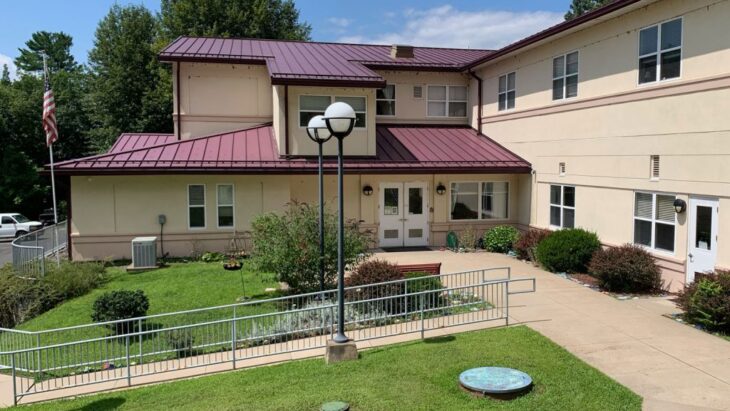
If you’re in New York and need help with substance misuse, you might want to try New Hope Manor. They were founded in 1070 as the state’s first residential substance recovery center solely for women. Their facility in Barryville has 53 beds and provides a supportive setting. This program lets pregnant and parenting women keep their newborns close in a licensed children’s room throughout recovery. The facility works with Medicaid Managed Care such as Fidelis Care and MVP Health.
They’re located at Hillside Road about half a mile east of Delaware River within Sullivan County. This rural setting offers a quiet and scenic distraction-free environment for recovery. Most past clients find the recovery services highly transformative, though some comments suggest room for improvement.
Medication-Supported Stabilization
Women with severe cravings or psychiatric issues are first stabilized in a structured setting before rehab. Services encompass medically supervised withdrawal alongside individual counseling to build strong coping skills and manage cravings.
Counseling is joined by withdrawal management to make you as comfortable as possible. Clients are assisted in transitioning to residential rehab once they stabilize and are in good health.
Intensive & Structured Support for Lasting Healing
Their inpatient rehab offers clinical care that supports lasting healing by building self-awareness and self-worth. Clients attend education and psychotherapy sessions that draw from cognitive behavioral techniques and motivational interviewing.
They also receive education and job readiness training to build self-sufficiency and prepare for life in the community. Many clients earn NYS Peer Advocate and Red Cross CPR/First Aid certifications as part of vocational training that builds confidence and job skills. Clients can also prepare for the TASC exam to earn their high school equivalency diploma.
Clients improve overall wellness via onsite fitness, recreational exercises, and crafts. Clients enjoy diet-customized meals and 24/7 staff support and guidance. The program encourages spiritual growth with transportation provided to local places of worship.
| Levels of Care | Detox Service Setting | Programs | Payment Options | |||
|---|---|---|---|---|---|---|
|
Inpatient and residential programs provide round-the-clock medical and emotional support as you live at the treatment facility. This level of care may be recommended if you have severe addictions or mental health conditions since it removes outside distractions and allows you to focus solely on therapy. |
Aftercare programs provide ongoing support after you complete a rehab program. They may include several components to help you maintain sobriety including therapy, community support groups and relapse prevention strategies. This gives you a network of resources as you reintegrate into your daily life. |
Dual diagnosis programs address substance use disorders and co-occurring mental health conditions simultaneously. This integrated approach to care improves the likelihood of long term recovery and stability by addressing the root causes of addiction. |
Sober living homes provide a supportive and substance free environment for you to live in as you overcome your addiction. Residents must follow house rules and support each other’s recovery journeys. Sober living fosters accountability and stability during this critical phase of recovery. |
|||
|
Inpatient detox occurs in a dedicated treatment facility. You’ll live there around the clock and receive intensive medical support and supervision to help manage your withdrawal symptoms. It is suitable for individuals with moderate to severe addictions as it ensures a stable detox environment. |
||||||
|
Adult programs address the substance use and life challenges specific to adults. Therapists can deliver sessions in individual, group and family settings. Services often include job support and life skills training in a structured environment. |
Alcohol detox programs offer medical support to help individuals withdraw safely from alcohol. Your care team may use medications to ease your symptoms and provide medical monitoring to address complications. |
Cognitive behavioral therapy focuses on changing harmful thought patterns and behaviors associated with addiction. You’ll learn healthier coping mechanisms by identifying and replacing negative thoughts. This improves your emotional resilience and decreases your relapse potential. |
LGBTQ friendly programs create an inclusive and affirming space for recovery. Treatment is sensitive to issues like discrimination and stigma. You’ll receive support and therapy that respects and acknowledges your unique experiences. |
Opioid detox uses medications to ease severe withdrawal symptoms. It also includes medical supervision to help you manage potential complications. These services allow you to stabilize and begin a recovery plan. |
Women’s programs offer a safe and supportive space to focus on gender specific issues such as trauma, family roles and mental health conditions. Therapists tailor the sessions to address women’s needs and foster empowerment in a healing and nurturing environment. |
Young adult programs are designed for individuals who are transitioning into adulthood. Topics of discussion typically include identity, independence and peer relationships. Providers may also offer life skills training and career support. |
|
Medicaid
|
Private Insurance
|
Self Pay
|
Levels of Care
Inpatient and residential programs provide round-the-clock medical and emotional support as you live at the treatment facility. This level of care may be recommended if you have severe addictions or mental health conditions since it removes outside distractions and allows you to focus solely on therapy.
Aftercare programs provide ongoing support after you complete a rehab program. They may include several components to help you maintain sobriety including therapy, community support groups and relapse prevention strategies. This gives you a network of resources as you reintegrate into your daily life.
Dual diagnosis programs address substance use disorders and co-occurring mental health conditions simultaneously. This integrated approach to care improves the likelihood of long term recovery and stability by addressing the root causes of addiction.
Sober living homes provide a supportive and substance free environment for you to live in as you overcome your addiction. Residents must follow house rules and support each other’s recovery journeys. Sober living fosters accountability and stability during this critical phase of recovery.
Detox Service Setting
Inpatient detox occurs in a dedicated treatment facility. You’ll live there around the clock and receive intensive medical support and supervision to help manage your withdrawal symptoms. It is suitable for individuals with moderate to severe addictions as it ensures a stable detox environment.
Programs
Adult programs address the substance use and life challenges specific to adults. Therapists can deliver sessions in individual, group and family settings. Services often include job support and life skills training in a structured environment.
Alcohol detox programs offer medical support to help individuals withdraw safely from alcohol. Your care team may use medications to ease your symptoms and provide medical monitoring to address complications.
Cognitive behavioral therapy focuses on changing harmful thought patterns and behaviors associated with addiction. You’ll learn healthier coping mechanisms by identifying and replacing negative thoughts. This improves your emotional resilience and decreases your relapse potential.
LGBTQ friendly programs create an inclusive and affirming space for recovery. Treatment is sensitive to issues like discrimination and stigma. You’ll receive support and therapy that respects and acknowledges your unique experiences.
Opioid detox uses medications to ease severe withdrawal symptoms. It also includes medical supervision to help you manage potential complications. These services allow you to stabilize and begin a recovery plan.
Women’s programs offer a safe and supportive space to focus on gender specific issues such as trauma, family roles and mental health conditions. Therapists tailor the sessions to address women’s needs and foster empowerment in a healing and nurturing environment.
Young adult programs are designed for individuals who are transitioning into adulthood. Topics of discussion typically include identity, independence and peer relationships. Providers may also offer life skills training and career support.
Amenities
Accreditations


Accepted Insurance
Contact


- Monday 9AM - 7PM
- Tuesday 9AM - 7PM
- Wednesday 9AM - 7PM
- Thursday 9AM - 7PM
- Friday 9AM - 7PM
- Saturday 9AM - 7PM
- Sunday 9AM - 7PM

Chika Uchendu is a multi-niche and seasoned SEO writer with expertise in personal finance, technology and health. He’s had over 10 years of experience creating impactful content that resonates with diverse audiences. His journalism and digital marketing background enables him to combine data-driven analysis with engaging storytelling. This helps drive engagement and grants target audiences access to valuable information.
Chika has worked for Benzinga, Motley Fool, Webopedia and many other popular online media outlets on a freelance and contractual basis. He is using his voice to drive awareness and meaningful change among people dealing with the pandemic of substance use disorder. Chika is an ambivert who enjoys sports, hiking, reading and video gaming.

Peter W.Y. Lee is a historian with a focus in American Cold War culture. He has examined how popular culture has served as a coping mechanism for the challenges and changes impacting American society throughout the twentieth century.
Detox.com regularly reviews this listing for accuracy but changes may occur between updates. For the most up-to-date information, please contact New Hope Manor, Inc..
Nearby Detox Centers

Search by New York Cities
FAQs
Does New Hope Manor offer detox services for women in Barryville, New York?
New Hope Manor provides residential rehabilitation for women with substance use disorders at its Barryville campus. The facility offers structured treatment in a residential setting with on-site medical and psychiatric services, individual and group counseling, and case management. The center accepts referrals 24 hours a day, 7 days a week.
What is the Mother and Infant Program at New Hope Manor?
The Mother & Infant Program is a residential treatment option that allows mothers to bring their infants with them while receiving substance use disorder treatment. The program provides a safe, supportive environment where mothers can focus on recovery while continuing to care for their babies, including parenting education and support services.
What medical services are available during treatment at New Hope Manor?
New Hope Manor provides on-site psychiatric services, medical evaluation, and medication management as part of its residential treatment program. Residents receive mental health assessment and ongoing clinical support. Medical and psychiatric staff monitor residents throughout the structured 24-hour care in the residential setting.
What counseling and support services does New Hope Manor provide?
Treatment at New Hope Manor includes individual counseling, group therapy, family counseling, and case management services. Residents participate in relapse prevention, life skills, and health education groups. The facility also offers aftercare planning and referrals to support continued recovery following discharge from the program.
What insurance does New Hope Manor accept for treatment?
New Hope Manor accepts Medicaid and most major insurance plans. For those without insurance, the facility offers self-pay options. The admissions team can help verify benefits and discuss payment arrangements to determine the best option for each individual.
How can someone be admitted to New Hope Manor in Barryville?
New Hope Manor accepts referrals 24 hours a day, 7 days a week. The admissions staff will help determine the appropriate level of care and program placement based on individual needs. The facility’s admissions team can assist with insurance verification and payment options during the intake process.