800-262-4205
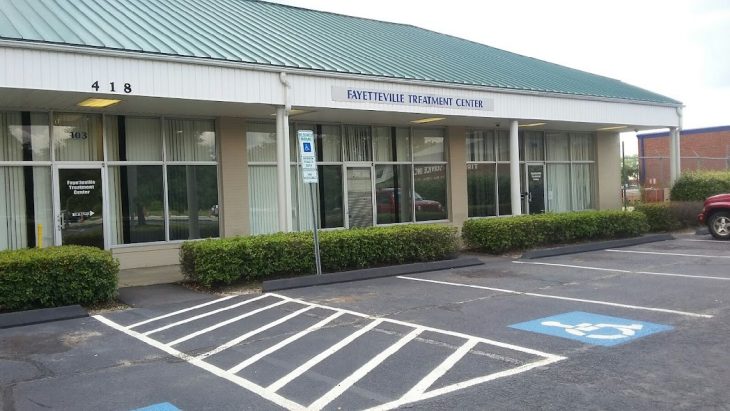
New Season Fayetteville Treatment Center

About New Season Fayetteville Treatment Center
New Season Fayetteville Treatment Center is an outpatient opioid addiction treatment provider in Fayetteville, North Carolina. They specialize in medication assisted treatment for adults facing opioid use disorders.
New Season serves adults ages 18 to 64, including young adults who are struggling with opioid addiction involving substances like fentanyl, heroin, oxycodone, hydrocodone and morphine.
The team also supports men and women with cooccurring mental health and substance use disorders.
The center offers outpatient and intensive outpatient programs that combine medical support, counseling and evidence based therapies under one affordable fee.
Clients appreciate the flexible schedule that allows them to continue working, attending school and fulfilling family responsibilities while receiving care.
Methadone, Buprenorphine, Suboxone and Narcan
The center provides outpatient services and intensive outpatient programming that include individual, group and family counseling paired with medication assisted treatment.
Medications such as methadone, buprenorphine, Suboxone and Narcan are available under medical supervision, along with medically supervised withdrawal management and relapse prevention strategies.
Flexible Payment Options
New Season accepts Medicare, Medicaid and major private insurance plans including Anthem, Aetna, Blue Cross Blue Shield, Cigna, Humana and UnitedHealthcare.
Self pay via cash or credit card is available and free treatment through grants may be offered to approved individuals.
| Levels of Care | Detox Service Setting | Programs | Payment Options | |||
|---|---|---|---|---|---|---|
|
Outpatient
|
||||||
|
Outpatient detox gives you access to medically supervised withdrawal services while still allowing you to live at home. You’ll attend a clinic for treatment and monitoring. This flexible option is suitable for those with mild to moderate withdrawal symptoms who have strong support systems. |
||||||
|
Adult programs address the substance use and life challenges specific to adults. Therapists can deliver sessions in individual, group, and family settings. Services often include job support and life-skills training in a structured environment.
|
Alcohol detox programs offer medical support to help individuals withdraw safely from alcohol. Your care team may use medications to ease your symptoms and provide medical monitoring to address complications.
|
Drug detox programs support individuals who are withdrawing from addictive substances like cocaine and heroin. Medical support helps you manage symptoms in a controlled and safe environment so you can achieve initial sobriety.
|
Men's programs address substance use while also considering the social pressures, family roles, and mental health concerns that are specific to men. You’ll learn healthy coping mechanisms as you build emotional resilience and develop communication skills.
|
Opioid detox uses medications to ease severe withdrawal symptoms. It also includes medical supervision to help you manage potential complications. These services allow you to stabilize and begin a recovery plan.
|
Women's programs offer a safe and supportive space to focus on gender-specific issues such as trauma, family roles, and mental health conditions. Therapists tailor the sessions to address women's needs and foster empowerment in a healing and nurturing environment.
|
Young adult programs are designed for individuals who are transitioning into adulthood. Topics of discussion typically include identity, independence, and peer relationships. Providers may also offer life-skills training and career support.
|
|
Medicaid
|
Private Insurance
|
Self Pay
|
Levels of Care
Detox Service Setting
Outpatient detox gives you access to medically supervised withdrawal services while still allowing you to live at home. You’ll attend a clinic for treatment and monitoring. This flexible option is suitable for those with mild to moderate withdrawal symptoms who have strong support systems.
Programs
Accreditations

Accepted Insurance
Contact



Amy Greene is an award-winning novelist and essayist. Her acclaimed debut novel, Bloodroot, was a New York Times national best seller. Her second novel, Long Man, was named a Best Book of the Year by The Washington Post in 2014. Her essays have appeared in publications such as The New York Times and Glamor Magazine. She currently resides in her native East Tennessee, amid the mountains she loves. In both her fiction and her nonfiction writing, Amy is dedicated exploring complex issues of mental health and spiritual and emotional wellbeing.
Detox.com regularly reviews this listing for accuracy but changes may occur between updates. For the most up-to-date information, please contact New Season Fayetteville Treatment Center.