800-262-4205
Outreach House Brentwood Crooked Hill Road

About Outreach House Brentwood Crooked Hill Road
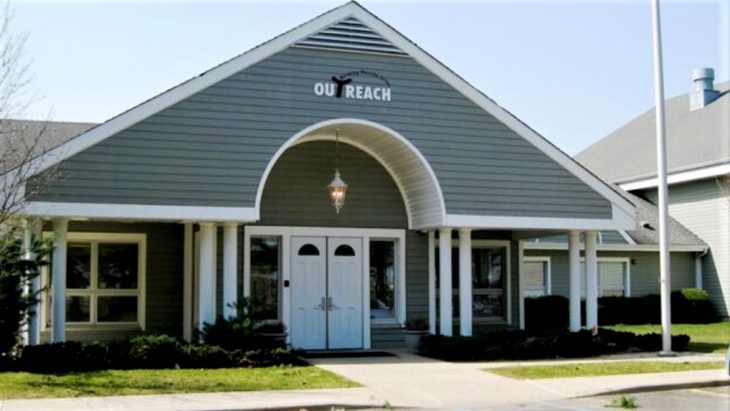
Outreach’s Crooked Hill Road residential campus offers hope to Long Island teens struggling with substance use disorder, co-occurring mental health issues, and those navigating the juvenile justice system. This program is housed in a modern facility on Crooked Hill Road in the hamlet of Brentwood, New York. The location is accessible via major highways like the Sagtikos Parkway and Long Island Expressway. SCT bus routes serve the area. Brentwood LIRR Station is about 2.5 miles south and provides rail access to Long Island.
The facility offers a calming, relaxing and supportive environment for healing, personal growth, and development. It’s fully equipped with a large gym housing an indoor basketball court, ping pong table, and modern cardio and fitness equipment. There’s a large dining area where residents enjoy highly nutritious meals thrice daily. There’s a patio for relaxation, a large classroom for group learning, and a music area for creative expression in a respectful and nonjudgmental manner.
Comprehensive Support for Lasting Healing
Residential care in Outreach House II is tailored to meet the psychosocial developmental needs of adolescents as young as 12. Treatment integrates positive peer interactions alongside structured vocational training and reflective introspection. They specifically follow the modified therapeutic community model. Experts interdisciplinary professionals deliver individual and group therapy rooted in clinically proven cognitive behavioral techniques. This helps teens develop healthy coping skills and build resilience in recovery.
These clinical practices are backed up by educational seminars, health awareness groups and anger management classes. The program also includes domestic/teen violence workshops, sober maintenance activities, and vocational education. Teens also attend a full-day, onsite academic program to continue their education without interruption while receiving treatment.
Residents with co-occurring disorders have access to nursing and psychiatric care, including medication assisted treatment (MAT) as relevant to their individualized recovery needs. This program emphasizes family involvement with therapy to address the sensitive needs of individual families and foster positive family dynamics. Toxicology testing monitors progress and compliance with treatment guidelines.
The facility offers aftercare support to keep residents on track and ensure sustained recovery upon graduation. This primarily involves outpatient counseling to ease the transition back to home and community. It’s all about helping teens get well, stay substance-free and build a healthy life as they grow into adulthood.
| Levels of Care | Detox Service Setting | Programs | Payment Options | ||
|---|---|---|---|---|---|
|
Inpatient
|
Aftercare programs provide ongoing support once you complete a rehab program. They may include several components to help you maintain sobriety, including therapy, community support groups, and relapse-prevention strategies. This gives you a network of resources as you reintegrate into daily life. |
Dual Diagnosis
|
|||
|
Inpatient detox occurs in a dedicated treatment facility. You’ll live there around the clock and receive intensive medical support and supervision to help manage your withdrawal symptoms. It is suitable for individuals with moderate to severe addictions as it ensures a stable detox environment. |
|||||
|
Alcohol detox programs offer medical support to help individuals withdraw safely from alcohol. Your care team may use medications to ease your symptoms, and they may provide medical monitoring to address complications.
|
Cognitive behavioral therapy focuses on changing harmful thought patterns and behaviors associated with addiction. You’ll learn healthier coping mechanisms by identifying and replacing negative thoughts. This improves your emotional resilience and decreases your relapse potential.
|
Men's programs address substance use while also considering the social pressures, family roles, and mental health concerns specific to men. Participants learn healthy coping mechanisms, build emotional resilience, and develop communication skills.
|
Opioid detox uses medications to ease severe withdrawal symptoms. It includes medical supervision to help you manage potential complications. These services allow you to stabilize safely and begin a recovery plan.
|
Women's programs offer a safe and supportive space to focus on gender-specific issues such as trauma, family roles, and mental health conditions. Therapists tailor the sessions to address women's needs and foster empowerment in a healing and nurturing environment.
|
Young adult programs are designed for individuals who are transitioning into adulthood. Topics of discussion typically include identity, independence, and peer relationships. Providers may also offer life-skills training and career support.
|
|
Payment Assistance
|
Medicaid
|
Medicare
|
Military Insurance
|
Private Insurance
|
Self Pay
|
Levels of Care
Aftercare programs provide ongoing support once you complete a rehab program. They may include several components to help you maintain sobriety, including therapy, community support groups, and relapse-prevention strategies. This gives you a network of resources as you reintegrate into daily life.
Detox Service Setting
Inpatient detox occurs in a dedicated treatment facility. You’ll live there around the clock and receive intensive medical support and supervision to help manage your withdrawal symptoms. It is suitable for individuals with moderate to severe addictions as it ensures a stable detox environment.
Programs
Accreditations

Contact



Chika Uchendu has expertise in personal finance, technology, and health. His journalism and digital marketing background enables him to combine data-driven analysis with engaging storytelling. Chika uses his voice to drive awareness and meaningful change among people dealing with the pandemic of substance use disorder. Chika is an ambivert who enjoys sports, hiking, reading, and video gaming.

Peter W.Y. Lee is a historian with a focus in American Cold War culture. He has examined how popular culture has served as a coping mechanism for the challenges and changes impacting American society throughout the twentieth century.
Detox.com regularly reviews this listing for accuracy but changes may occur between updates. For the most up-to-date information, please contact Outreach House Brentwood Crooked Hill Road.