800-262-4205
Pathway To Recovery Counseling and Education Services at the W.A.V.E.S. Center

About Pathway To Recovery Counseling and Education Services at the W.A.V.E.S. Center
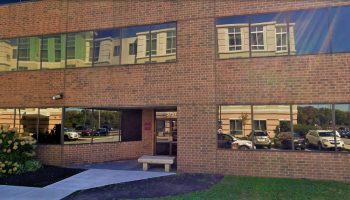
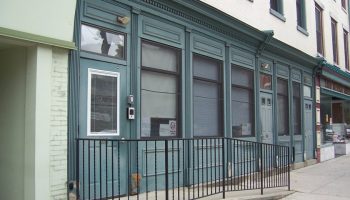
Pathway To Recovery Counseling and Education Services at the WAVES Center is an outpatient addiction treatment center in Hazleton, Pennsylvania serving individuals and families affected by substance use disorders.
The program offers a full range of outpatient services, including intensive outpatient programming, individual and group counseling and medication assisted treatment coordination.
Flexible Outpatient Addiction Treatment
Treatment typically begins with a comprehensive drug and alcohol evaluation or assessment, which helps the clinical team tailor services to each person’s needs.
From there, clients can step into structured outpatient programs or the more intensive IOP track, both designed to provide counseling, education and peer support while allowing flexibility for work, school or family responsibilities.
Services include individual counseling, group counseling, family counseling and specialized DUI education and assessments for justice involved clients.
Pathway To Recovery also coordinates medication-assisted treatment for those with opioid use disorder, provides naloxone training and offers case management and referrals to strengthen each client’s recovery network and aftercare plan.
What to Know
- Levels of care: Outpatient counseling, intensive outpatient program and MAT coordination
- Who they treat: Adults and families impacted by addiction including those with opioid use disorder
- Approach: Evidence based trauma informed and family focused counseling and recovery education
- Services: Drug and alcohol evaluations, individual, group and family counseling, case management and naloxone training
| Levels of Care | Detox Service Setting | Programs | Payment Options | ||
|---|---|---|---|---|---|
|
Inpatient and residential programs provide round-the-clock medical and emotional support as you live at the treatment facility. This level of care may be recommended if you have severe addictions or mental health conditions, because it offers a distraction-free environment where you can focus solely on recovery. |
Outpatient therapy involves attending therapy sessions several times each week while living at home. This is suitable if you have a strong support system and a lower risk of relapse. Outpatient treatment offers flexibility to maintain other obligations such as work or school. |
Dual diagnosis programs address substance use disorders and co-occurring mental health conditions simultaneously. By addressing the root cause of addiciton, this approach improves the likelihood of long-term recovery and stability. |
Partial hospitalization programs provide comprehensive treatment in a structured setting during the day but allow you to return home at night. These programs offer a level of care balanced between inpatient and outpatient rehab. They offer intensive support without full-time residency. |
Aftercare programs provide ongoing support for those who have completed a rehab program. These supports may include therapy, community groups and relapse prevention strategies. These resources give you a network of support as you reintegrate into daily life. |
|
|
Inpatient detox occurs in a dedicated treatment facility. Participants live at the facility around the clock and receive intensive medical support and supervision to help alleviate withdrawal symptoms. This setting is suitable for individuals with moderate to severe addictions, as it ensures a stable detox environment. |
Outpatient detox provides access to medically supervised withdrawal services while still allowing the individual to live at home. Treatment and monitoring are provided. This flexible option is suitable for those with mild to moderate withdrawal symptoms who have strong support systems. |
Medication-assisted treatment combines medication and counseling to manage withdrawal and reduce cravings. FDA-approved medications include methadone, buprenorphine, and naltrexone. MAT is tailored to each person’s needs, so they can actively participate in treatment. |
|||
|
Adult programs address the substance use and life challenges specific to adults. Therapists often deliver sessions in individual, group, and family settings. Job support and life skills training can also be provided.
|
Alcohol detox programs offer medical support to achieve safe withdraw from alcohol. Your care team may use medications to ease withdrawal symptoms. They also provide medical monitoring to address complications.
|
Opioid detox uses medications to ease severe withdrawal symptoms. It also includes medical supervision to manage potential complications. These services allow individuals to stabilize and start a recovery plan.
|
Cognitive behavioral therapy focuses on changing harmful thought patterns and behaviors associated with addiction. Participants learn healthier coping mechanisms by identifying and replacing negative thoughts. This improves emotional resilience and lowers the risk of relapse.
|
Drug detox programs support individuals who are withdrawing from addictive substances like cocaine and heroin. Medical support helps individuals manage symptoms in a controlled and safe environment.
|
|
|
Payment Assistance
|
Medicaid
|
Medicare
|
Private Insurance
|
Self Pay
|
Sliding Scale Payment
|
Levels of Care
Inpatient and residential programs provide round-the-clock medical and emotional support as you live at the treatment facility. This level of care may be recommended if you have severe addictions or mental health conditions, because it offers a distraction-free environment where you can focus solely on recovery.
Outpatient therapy involves attending therapy sessions several times each week while living at home. This is suitable if you have a strong support system and a lower risk of relapse. Outpatient treatment offers flexibility to maintain other obligations such as work or school.
Dual diagnosis programs address substance use disorders and co-occurring mental health conditions simultaneously. By addressing the root cause of addiciton, this approach improves the likelihood of long-term recovery and stability.
Partial hospitalization programs provide comprehensive treatment in a structured setting during the day but allow you to return home at night. These programs offer a level of care balanced between inpatient and outpatient rehab. They offer intensive support without full-time residency.
Aftercare programs provide ongoing support for those who have completed a rehab program. These supports may include therapy, community groups and relapse prevention strategies. These resources give you a network of support as you reintegrate into daily life.
Detox Service Setting
Inpatient detox occurs in a dedicated treatment facility. Participants live at the facility around the clock and receive intensive medical support and supervision to help alleviate withdrawal symptoms. This setting is suitable for individuals with moderate to severe addictions, as it ensures a stable detox environment.
Outpatient detox provides access to medically supervised withdrawal services while still allowing the individual to live at home. Treatment and monitoring are provided. This flexible option is suitable for those with mild to moderate withdrawal symptoms who have strong support systems.
Medication-assisted treatment combines medication and counseling to manage withdrawal and reduce cravings. FDA-approved medications include methadone, buprenorphine, and naltrexone. MAT is tailored to each person’s needs, so they can actively participate in treatment.
Programs
Amenities
Accreditations


Contact


- Tuesday 9AM - 8PM
- Wednesday 9AM - 8PM
- Thursday 9AM - 8PM
- Friday 9AM - 5PM

Amy Greene is an award-winning novelist and essayist. Her acclaimed debut novel, Bloodroot, was a New York Times national best seller. Her second novel, Long Man, was named a Best Book of the Year by The Washington Post in 2014. Her essays have appeared in publications such as The New York Times and Glamor Magazine. She currently resides in her native East Tennessee, amid the mountains she loves. In both her fiction and her nonfiction writing, Amy is dedicated exploring complex issues of mental health and spiritual and emotional wellbeing.
Detox.com regularly reviews this listing for accuracy but changes may occur between updates. For the most up-to-date information, please contact Pathway To Recovery Counseling and Education Services at the W.A.V.E.S. Center.