800-262-4205
Rainbow Recovery Center

About Rainbow Recovery Center
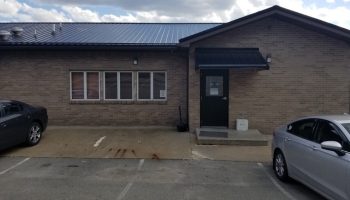
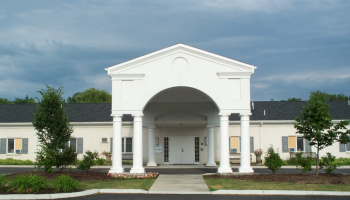
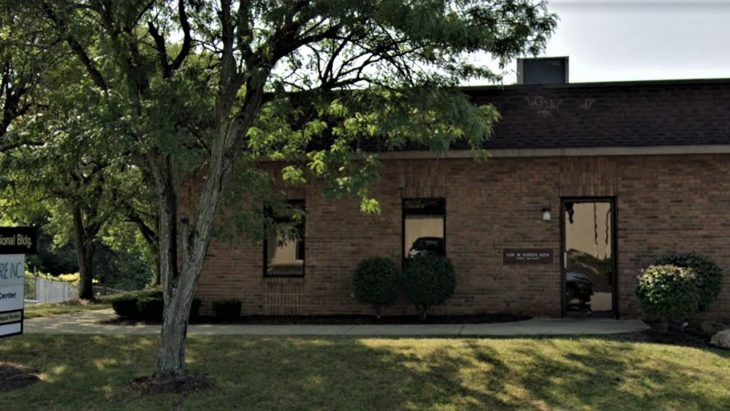
The Rainbow Recovery Center sits nestled in the hills of Sharon, Pennsylvania. It’s not far from Buhl Park or the Shenango River.
This is an outpatient treatment for substance use disorders. They specialize in methadone maintenance. This form of medication assisted treatment (MAT) uses methadone and similar FDA approved drugs to reduce cravings, allowing you to focus your attention and make progress toward your recovery.
Medication the Right Way
Some forms and levels of chemical dependency are so strong that counseling alone may not be enough to get someone on the path of sobriety. Such is the case with opiates, which create a strong dopamine response and severe withdrawal symptoms. Methadone is used in clinical settings to significantly reduce the impact these symptoms have on your daily functioning.
Medication is prescribed by your care team. They’ll monitor each client to ensure there are no complications and to make adjustments as needed. When used under supervision and as instructed, methadone is incredibly safe.
Combining Medication with Therapy
Medication is only one part of the treatment plan. Once you’re using your prescribed medication, you’ll participate in regular counseling sessions to explore what lies beneath your substance use. This is where the heavy lifting of the recovery process gets done, but it happens at your pace, so there’s no feeling of being pressured.
Counseling may be available via telehealth at this location.
| Levels of Care | Detox Service Setting | Programs | Payment Options | |||||
|---|---|---|---|---|---|---|---|---|
|
Outpatient therapy involves attending therapy sessions several times each week while living at home. This is suitable if you have a strong support system and a lower risk of relapse. Outpatient treatment offers flexibility to maintain other obligations such as work or school. |
Dual diagnosis programs address substance use disorders and co-occurring mental health conditions simultaneously. By addressing the root cause of addiciton, this approach improves the likelihood of long-term recovery and stability. |
|||||||
|
Outpatient detox provides access to medically supervised withdrawal services while still allowing the individual to live at home. Treatment and monitoring are provided. This flexible option is suitable for those with mild to moderate withdrawal symptoms who have strong support systems. |
||||||||
|
Adult programs address the substance use and life challenges specific to adults. Therapists often deliver sessions in individual, group, and family settings. Job support and life skills training can also be provided.
|
Alcohol detox programs offer medical support to achieve safe withdraw from alcohol. Your care team may use medications to ease withdrawal symptoms. They also provide medical monitoring to address complications.
|
Drug detox programs support individuals who are withdrawing from addictive substances like cocaine and heroin. Medical support helps individuals manage symptoms in a controlled and safe environment.
|
LGBTQ-friendly programs create an inclusive and affirming space for recovery. Treatment is sensitive to issues like discrimination and stigma. Participants receive support and therapy that respects and acknowledges your unique experiences.
|
Men's programs address substance use issues as well as social pressures, family roles, and mental health concerns that are specific to men. Participants learn healthy coping mechanisms, emotional resilience, and communication skills.
|
Military / Veterans
|
Opioid detox uses medications to ease severe withdrawal symptoms. It also includes medical supervision to manage potential complications. These services allow individuals to stabilize and start a recovery plan.
|
Women's programs offer a safe and supportive space to focus on gender-specific issues such as trauma, family roles, and mental health conditions. Therapy sessions address women's needs and foster empowerment in a healing and nurturing environment.
|
Young adult programs are designed for individuals who are transitioning into adulthood. Discussion topics typically include identity, independence, and peer relationships. Participants may also receive life skills training and career support.
|
|
Medicaid
|
Self Pay
|
Levels of Care
Outpatient therapy involves attending therapy sessions several times each week while living at home. This is suitable if you have a strong support system and a lower risk of relapse. Outpatient treatment offers flexibility to maintain other obligations such as work or school.
Dual diagnosis programs address substance use disorders and co-occurring mental health conditions simultaneously. By addressing the root cause of addiciton, this approach improves the likelihood of long-term recovery and stability.
Detox Service Setting
Outpatient detox provides access to medically supervised withdrawal services while still allowing the individual to live at home. Treatment and monitoring are provided. This flexible option is suitable for those with mild to moderate withdrawal symptoms who have strong support systems.
Programs
Accreditations

Contact



Peter W.Y. Lee is a historian with a focus in American Cold War culture. He has examined how popular culture has served as a coping mechanism for the challenges and changes impacting American society throughout the twentieth century.
Detox.com regularly reviews this listing for accuracy but changes may occur between updates. For the most up-to-date information, please contact Rainbow Recovery Center.