

 800-262-4205
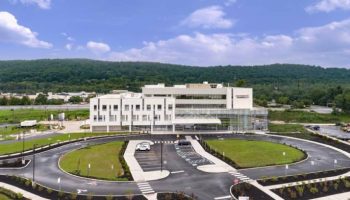
Recovery Centers of America at Monroeville

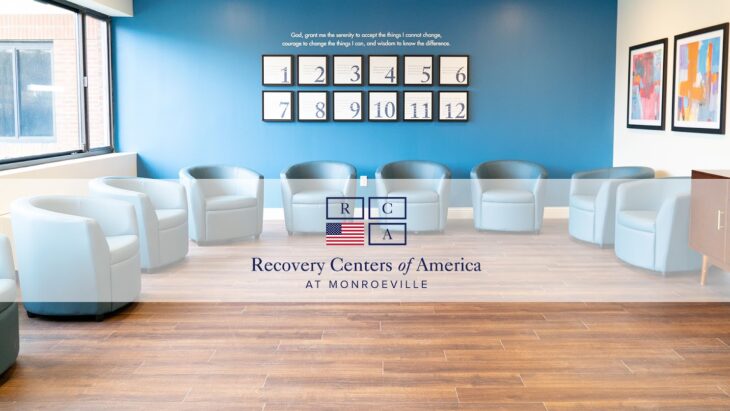
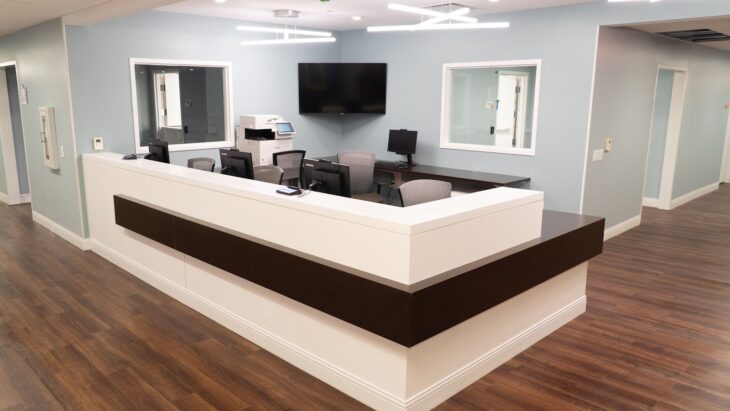
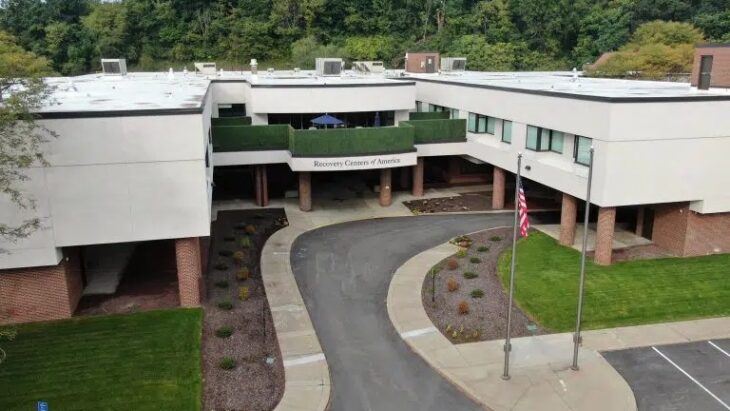
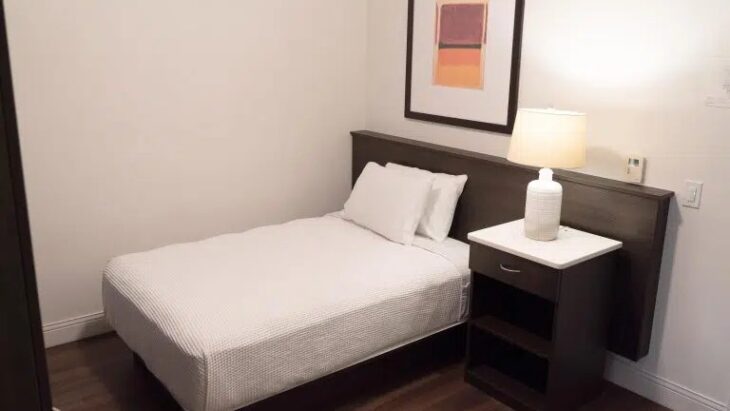

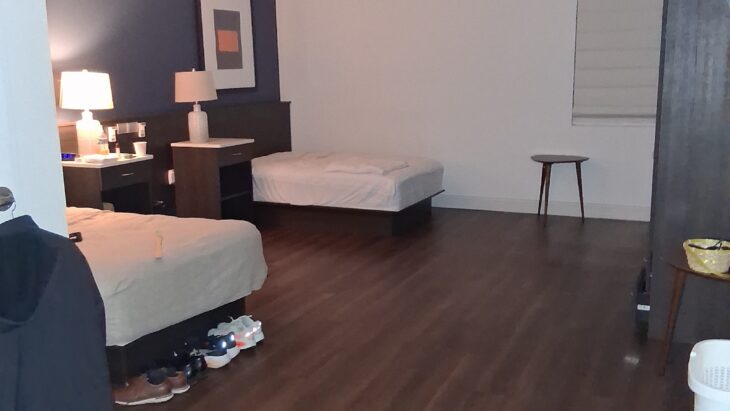
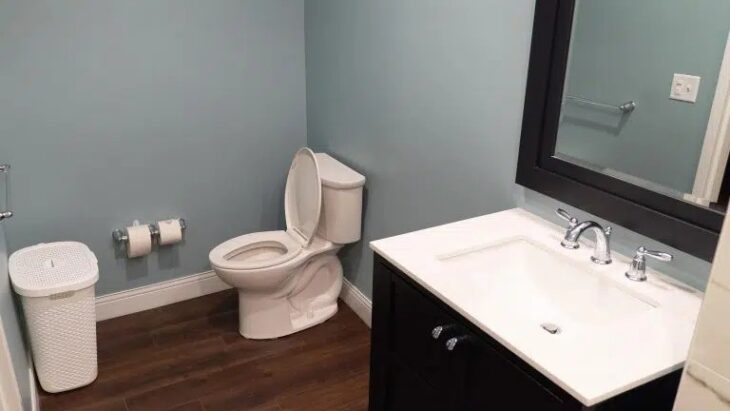
About Recovery Centers of America at Monroeville
Monroeville, Pennsylvania, sits just outside Pittsburgh, and Recovery Centers of America runs a detox center there.
The center treats adults and young adults for substance use disorders. Its inpatient detox in Monroeville keeps a medical team watching vital signs around the clock.
Medical Detox at Monroeville
The center uses methadone, buprenorphine (a medication for opioid use disorder) and naltrexone in its medication assisted detox.
Medication in withdrawal is given to reduce the symptoms you feel when a substance your body has adjusted to stops. The medical team taking care of you can adjust as those symptoms change.
The same medications can continue after detox ends, in the residential rehab the center runs or in its outpatient programs.
A partial hospitalization program runs five full days a week, and an intensive outpatient program offers three hour sessions in the daytime or evening.
Evening sessions leave the workday open, so you don’t have to choose between treatment and your job.
Monroeville has local public transport, and the center takes Medicaid and military insurance, works with private plans and out of network insurers and accepts self pay.
| Levels of Care | Detox Service Setting | Programs | Payment Options | ||
|---|---|---|---|---|---|
|
Inpatient detox and residential rehab are the inpatient pieces at the Monroeville facility, and outpatient programs run at the same site. |
Outpatient therapy involves attending therapy sessions several times each week while living at home. This is suitable if you have a strong support system and a lower risk of relapse. Outpatient treatment offers flexibility to maintain other obligations such as work or school. |
Intensive outpatient runs three to five days a week in sessions of three hours, with day and evening times offered. |
The partial hospitalization program runs five days a week, with full-day clinical programming of about five hours a day at Monroeville. |
Substance use disorder and mental health care are addressed at the same time here rather than at different points in treatment. |
Sober living homes provide a transitional living envioronment that is supportive and free of substances. Residents adhere to follow house rules and offer support to one another as they work through recovery. Sober living fosters accountability and stability during this critical phase of recovery. |
|
Medical detox here keeps a medical team watching a person’s signs around the clock while the body clears the substance. |
Outpatient detox provides access to medically supervised withdrawal services while still allowing the individual to live at home. Treatment and monitoring are provided. This flexible option is suitable for those with mild to moderate withdrawal symptoms who have strong support systems. |
Medication-assisted treatment is available during detox at the Monroeville campus to ease withdrawal symptoms and support recovery, particularly for opioid and alcohol use disorders. |
|||
|
Alcohol detox programs offer medical support to achieve safe withdraw from alcohol. Your care team may use medications to ease withdrawal symptoms. They also provide medical monitoring to address complications.
|
Drug detox programs support individuals who are withdrawing from addictive substances like cocaine and heroin. Medical support helps individuals manage symptoms in a controlled and safe environment.
|
Recovery Centers of America at Monroeville offers specialized opioid detox for heroin, fentanyl, and prescription painkiller addiction, incorporating FDA-approved medications when clinically appropriate. |
Cognitive behavioral therapy is among the approaches the clinical team uses, alongside DBT and motivational interviewing. |
Recovery Centers of America at Monroeville incorporates fitness and recreational activities, including yoga, to support physical wellness alongside clinical detox and treatment programming. |
|
|
Private Insurance
|
Self Pay
|
Levels of Care
Inpatient detox and residential rehab are the inpatient pieces at the Monroeville facility, and outpatient programs run at the same site.
Outpatient therapy involves attending therapy sessions several times each week while living at home. This is suitable if you have a strong support system and a lower risk of relapse. Outpatient treatment offers flexibility to maintain other obligations such as work or school.
Intensive outpatient runs three to five days a week in sessions of three hours, with day and evening times offered.
The partial hospitalization program runs five days a week, with full-day clinical programming of about five hours a day at Monroeville.
Substance use disorder and mental health care are addressed at the same time here rather than at different points in treatment.
Sober living homes provide a transitional living envioronment that is supportive and free of substances. Residents adhere to follow house rules and offer support to one another as they work through recovery. Sober living fosters accountability and stability during this critical phase of recovery.
Detox Service Setting
Medical detox here keeps a medical team watching a person’s signs around the clock while the body clears the substance.
Outpatient detox provides access to medically supervised withdrawal services while still allowing the individual to live at home. Treatment and monitoring are provided. This flexible option is suitable for those with mild to moderate withdrawal symptoms who have strong support systems.
Medication-assisted treatment is available during detox at the Monroeville campus to ease withdrawal symptoms and support recovery, particularly for opioid and alcohol use disorders.
Programs
Recovery Centers of America at Monroeville offers specialized opioid detox for heroin, fentanyl, and prescription painkiller addiction, incorporating FDA-approved medications when clinically appropriate.
Cognitive behavioral therapy is among the approaches the clinical team uses, alongside DBT and motivational interviewing.
Recovery Centers of America at Monroeville incorporates fitness and recreational activities, including yoga, to support physical wellness alongside clinical detox and treatment programming.
Amenities
Accreditations


Contact



Maygen Brockway, MTC, lives in scenic Southern Utah and has over 10 years of editing and writing experience. She’s created content for the medical, wedding, fashion, and technical industries. She loves poetry and coffee, writing, and being a social butterfly and a mom.
Detox.com regularly reviews this listing for accuracy but changes may occur between updates. For the most up-to-date information, please contact Recovery Centers of America at Monroeville.
Nearby Detox Centers
Search by Pennsylvania Cities
FAQs
What levels of care are offered in Monroeville?
Medical detox, residential rehab, partial hospitalization, intensive outpatient and sober living are all available at this location. Detox keeps a medical team watching a person’s signs around the clock. Sober living is offered for people participating in outpatient treatment who need a structured place to stay.
How many days a week does the schedule run?
The partial hospitalization program runs five days a week, with full-day clinical programming of about five hours a day. Another track meets three to five days a week for three-hour sessions, in the daytime or the evening.
Does Recovery Centers of America take private insurance?
Most major insurance providers are accepted, and the center also works with out-of-network providers to keep quality care possible, which matters when using insurance for detox.
Is the facility close to Pittsburgh?
Yes. Recovery Centers of America at Monroeville sits just outside Pittsburgh, and the care for addiction, mental illness and dual diagnosis is offered right in that community.
Which therapies does the program rely on?
The clinical team uses cognitive behavioral therapy, dialectical behavior therapy, motivational interviewing and trauma-informed care, evidence-based approaches that sit within the types of addiction therapy used in treatment. Twelve-step programming is also listed, along with family education and coaching that aims to strengthen support at home.