800-262-4205
The Coleman Institute Phoenix

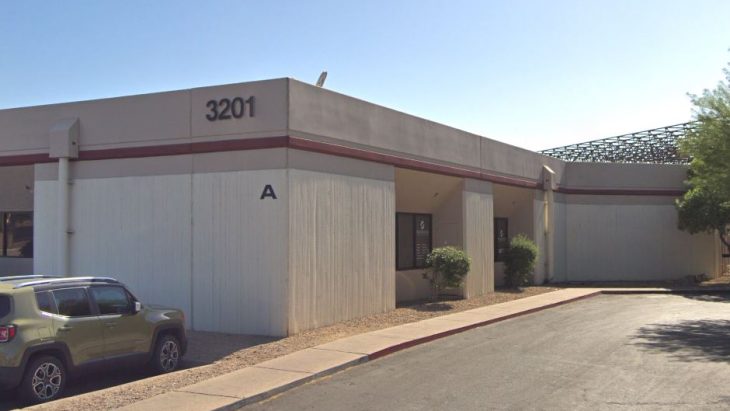
About The Coleman Institute Phoenix
The Coleman Institute Phoenix is an outpatient addiction treatment center specializing in detox services for adults in the Phoenix metropolitan area. Using the Coleman Method, they provide rapid detox from opioids and alcohol, benzodiazepines and prescription medications with medication assisted treatment and comprehensive aftercare support.
Their compassionate, evidence based approach enables patients to complete detox in just three to eight days while continuing daily responsibilities at work and home.
Innovative Opioid Detox
The Coleman Institute Phoenix specializes in accelerated opioid detox from heroin, fentanyl and prescription pain medications, methadone and Suboxone. The Coleman Method allows patients to complete detox in a short span of time with medical supervision and comfort focused protocols, achieving a remarkable 98% completion rate without the use of general anesthesia or overnight hospital stays.
Treatment combines FDA approved medications like naltrexone and buprenorphine to manage withdrawal symptoms while reducing cravings and preventing relapse. Sessions include individual and group counseling, peer support and personalized case management for up to six months after detox.
Patients receive ongoing naltrexone therapy as a non addictive opioid blocker, with alumni services providing life skills development and emotional wellness training.
Outpatient Care for Working Professionals
The outpatient model allows patients to return home daily during their three to eight day treatment period, minimizing disruption to work and family obligations.
This approach is ideal for working professionals and parents who cannot take extended time away from responsibilities and need effective medical detox support.
Getting Started in Phoenix
The Coleman Institute Phoenix serves patients at their Peoria Avenue location with in person outpatient care. Founded as part of a national network established in 1998, the Phoenix center has provided accelerated detox services since 2014.
They accept most major commercial insurance plans including Aetna, BlueCross BlueShield and Humana, with self pay and financing options available.
| Levels of Care | Programs | Payment Options | ||||
|---|---|---|---|---|---|---|
|
Aftercare programs provide ongoing support after you complete a rehab program. They may include several components to help you maintain sobriety including therapy, community support groups and relapse prevention strategies. This gives you a network of resources as you reintegrate into your daily life. |
||||||
|
Adult programs address the substance use and life challenges specific to adults. Therapists can deliver sessions in individual, group and family settings. Services often include job support and life skills training in a structured environment.
|
Alcohol detox programs offer medical support to help individuals withdraw safely from alcohol. Your care team may use medications to ease your symptoms and provide medical monitoring to address complications.
|
Drug detox programs support individuals who are withdrawing from addictive substances like cocaine and heroin. Medical support helps you manage symptoms in a controlled and safe environment so you can achieve initial sobriety.
|
Men's programs address substance use while also considering the social pressures, family roles and mental health concerns that are specific to men. You’ll learn healthy coping mechanisms as you build emotional resilience and develop communication skills.
|
Opioid detox uses medications to ease severe withdrawal symptoms. It also includes medical supervision to help you manage potential complications. These services allow you to stabilize and begin a recovery plan.
|
Women's programs offer a safe and supportive space to focus on gender specific issues such as trauma, family roles and mental health conditions. Therapists tailor the sessions to address women's needs and foster empowerment in a healing and nurturing environment.
|
Young adult programs are designed for individuals who are transitioning into adulthood. Topics of discussion typically include identity, independence and peer relationships. Providers may also offer life skills training and career support.
|
|
Private Insurance
|
Self Pay
|
Levels of Care
Aftercare programs provide ongoing support after you complete a rehab program. They may include several components to help you maintain sobriety including therapy, community support groups and relapse prevention strategies. This gives you a network of resources as you reintegrate into your daily life.
Programs
Accepted Insurance


Contact


Natalie is a recent Purdue University graduate where she studied Psychology and Creative Writing. She’s a fierce advocate for others and is committed to always showing up with a compassionate heart. She enjoys writing poetry, dancing, and playing piano in her free time.
Detox.com regularly reviews this listing for accuracy but changes may occur between updates. For the most up-to-date information, please contact The Coleman Institute Phoenix.