800-262-4205
UPMC Chautauqua Behavioral Health

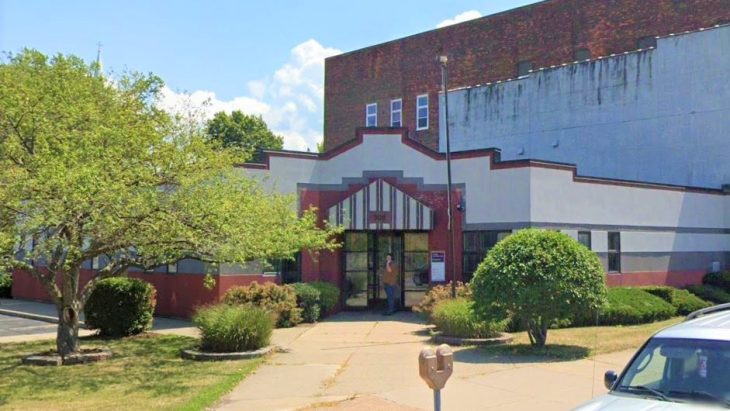
About UPMC Chautauqua Behavioral Health
UPMC Chautauqua Behavioral Health offers outpatient addiction treatment services in Dunkirk, New York. The staff features psychiatrists, nurses, mental health counselors and other experienced medical professionals. Medication assisted treatment (MAT) and addiction counseling are some of the treatments you can receive at this location.
Medication Assisted Treatment (MAT)
The facility will help you cope with withdrawal symptoms through medication and therapy. Naltrexone is available to treat addictions to alcohol and drugs, and buprenorphine is available to treat opioid use disorder. The staff will decide which option is best for you based on your needs.
UPMC Chautauqua Behavioral Health is also prepared to prescribe medications for mental health issues that could be causing your addiction, such as depression and anxiety. In one on one therapy, you’ll discuss the reasons that led to your substance use and learn new ways you can cope with your triggers. Additional services that will be provided include group therapy, family therapy and certified peer advocates.
Healing Activities Near the Beach
The nice thing about this facility’s location is that it’s not far from Point Gratiot Park. Outside of your treatment sessions, you can spend time walking on the beach and relaxing to the sounds of the ocean.
| Levels of Care | Detox Service Setting | Programs | Payment Options | ||||
|---|---|---|---|---|---|---|---|
|
Outpatient
|
Aftercare programs provide ongoing support once you complete a rehab program. They may include several components to help you maintain sobriety, including therapy, community support groups, and relapse-prevention strategies. This gives you a network of resources as you reintegrate into daily life. |
Dual Diagnosis
|
|||||
|
Outpatient detox gives you access to medically supervised withdrawal services while still allowing you to live at home. You’ll attend a clinic for treatment and monitoring. This flexible option is suitable for those with mild to moderate withdrawal symptoms who have strong support systems. |
|||||||
|
Adult programs include job support and life skills training in a structured environment. Services are designed to address the substance use and life challenges specific to adults. Therapy sessions happen in individual, group and family settings.
|
Alcohol detox programs offer medical support to help individuals withdraw safely from alcohol. Your care team may use medications to ease your symptoms, and they may provide medical monitoring to address complications.
|
Cognitive behavioral therapy focuses on changing harmful thought patterns and behaviors associated with addiction. You’ll learn healthier coping mechanisms by identifying and replacing negative thoughts. This improves your emotional resilience and decreases your relapse potential.
|
Men's programs address substance use while also considering the social pressures, family roles, and mental health concerns specific to men. Participants learn healthy coping mechanisms, build emotional resilience, and develop communication skills.
|
Rational behavior therapy helps you identify irrational beliefs that contribute to an addiction. Challenging and modifying those beliefs helps you develop healthier attitudes and behaviors. This therapy supports long-term sobriety and sustainable recovery.
|
Senior programs include peer support and medical oversight for age-related health concerns. Services address the unique needs of older adults like chronic pain, grief, and isolation. The goal is to improve quality of life while aging.
|
Women's programs offer a safe and supportive space to focus on gender-specific issues such as trauma, family roles, and mental health conditions. Therapists tailor the sessions to address women's needs and foster empowerment in a healing and nurturing environment.
|
Young adult programs are designed for individuals who are transitioning into adulthood. Topics of discussion typically include identity, independence, and peer relationships. Providers may also offer life-skills training and career support.
|
|
Payment Assistance
|
Medicaid
|
Medicare
|
Military Insurance
|
Private Insurance
|
Self Pay
|
Levels of Care
Aftercare programs provide ongoing support once you complete a rehab program. They may include several components to help you maintain sobriety, including therapy, community support groups, and relapse-prevention strategies. This gives you a network of resources as you reintegrate into daily life.
Detox Service Setting
Outpatient detox gives you access to medically supervised withdrawal services while still allowing you to live at home. You’ll attend a clinic for treatment and monitoring. This flexible option is suitable for those with mild to moderate withdrawal symptoms who have strong support systems.
Programs
Amenities
Accreditations


Contact



Eric has a passion for content creation, whether it’s writing articles or making YouTube videos. He appreciates the power of storytelling to inform an audience about the information they need to know. In addition to writing, he also spends his time traveling and discovering new restaurants.

Kerry Nenn is a full-time freelance writer and prize-winning author. She contributes regularly to addiction-recovery sites, international journal publications, and Christian ministries. Her published works include 10 books and myriad articles. Her work has received recognition both locally and nationally.
Detox.com regularly reviews this listing for accuracy but changes may occur between updates. For the most up-to-date information, please contact UPMC Chautauqua Behavioral Health.