

 800-262-4205
NYC Health + Hospitals/Woodhull




About NYC Health + Hospitals/Woodhull
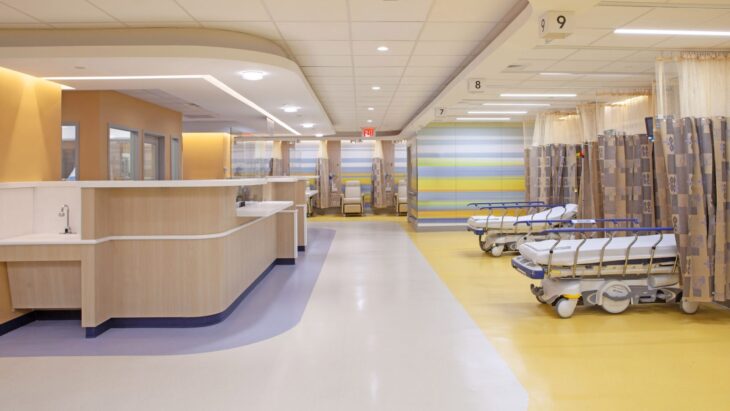
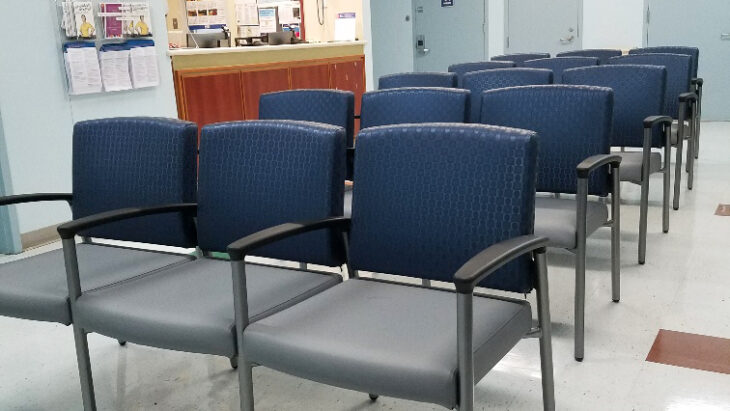
NYC Health + Hospitals Woodhull is part of the extensive NYC Health network of facilities throughout the area. Woodhull specifically is a multi departmental hospital in Brooklyn, New York. They have everything you’d expect of a hospital like an emergency room and surgery, but they also have a specialized behavioral health unit for chemical dependency.
Part of that chemical dependency center is an inpatient detox unit. The unit has 19 beds so you’ll have a fairly small group and can get individualized care from the medical staff. Throughout your detox you’ll have medical supervision 24 hours a day. They’ll make sure you’re safe and healthy. If any complications do arise, they’ll be able to treat them quickly.
The detox care here is an important first step but it’s only the beginning of your recovery. That’s why the chemical dependency unit here also has outpatient services to guide you through your recovery. They can offer ongoing support and guidance to help you better understand yourself and your addiction and learn how to develop new habits and lifestyles that benefit your sobriety. They have group therapy as well as peer support groups.
I think it’s worth noting, too, that this facility has comprehensive mental health care. A lot of people with substance use disorder also have co-occurring mental health conditions, and if you do too then their psychologists and psychiatrists can help you manage those conditions.
To be honest, the reviews for this hospital aren’t very positive. But the vast majority of those negative reviews seem to be for the emergency room, so the medical detox unit doesn’t have much to go by as far as client feedback is concerned.
| Levels of Care | Detox Service Setting | Programs | Payment Options | Medications Offered | ||
|---|---|---|---|---|---|---|
|
Inpatient
|
Outpatient
|
Woodhull integrates behavioral health and addiction treatment for patients with co-occurring mental health conditions such as depression, anxiety, bipolar disorder, and substance use disorders. |
||||
|
Outpatient detox gives you access to medically supervised withdrawal services while still allowing you to live at home. You’ll attend a clinic for treatment and monitoring. This flexible option is suitable for those with mild to moderate withdrawal symptoms who have strong support systems. |
Inpatient detox occurs in a dedicated treatment facility. You’ll live there around the clock and receive intensive medical support and supervision to help manage your withdrawal symptoms. It is suitable for individuals with moderate to severe addictions as it ensures a stable detox environment. |
Medication-assisted treatment combines medication and counseling to manage withdrawal and reduce cravings for opioid and alcohol addiction. Medications may include methadone, buprenorphine, or naltrexone. MAT is tailored to your needs so you can actively participate in your treatment journey. |
Hospital detoxification allows you to withdraw from drugs or alcohol in a hospital setting. It’s ideal for people with severe withdrawal symptoms or complex medical needs. You’ll receive constant monitoring, emergency care if needed, and FDA-approved prescription medications. |
|||
|
Young adult programs are designed for individuals who are transitioning into adulthood. Topics of discussion typically include identity, independence, and peer relationships. Providers may also offer life-skills training and career support.
|
Adult programs include job support and life skills training in a structured environment. Services are designed to address the substance use and life challenges specific to adults. Therapy sessions happen in individual, group and family settings.
|
Women's programs offer a safe and supportive space to focus on gender-specific issues such as trauma, family roles, and mental health conditions. Therapists tailor the sessions to address women's needs and foster empowerment in a healing and nurturing environment.
|
Men's programs address substance use while also considering the social pressures, family roles, and mental health concerns specific to men. Participants learn healthy coping mechanisms, build emotional resilience, and develop communication skills.
|
Opioid detox uses medications to ease severe withdrawal symptoms. It includes medical supervision to help you manage potential complications. These services allow you to stabilize safely and begin a recovery plan.
|
Drug detox programs support individuals who are withdrawing from addictive substances like cocaine and heroin. Medical support helps you manage symptoms in a controlled and safe environment so you can achieve initial sobriety.
|
Alcohol detox programs offer medical support to help individuals withdraw safely from alcohol. Your care team may use medications to ease your symptoms, and they may provide medical monitoring to address complications.
|
|
Self Pay
|
Medicaid
|
State Family Services
|
Private Insurance
|
Medicare
|
||
|
Methadone
|
Buprenorphine
|
Naltrexone (Vivitrol)
|
Levels of Care
Woodhull integrates behavioral health and addiction treatment for patients with co-occurring mental health conditions such as depression, anxiety, bipolar disorder, and substance use disorders.
Detox Service Setting
Outpatient detox gives you access to medically supervised withdrawal services while still allowing you to live at home. You’ll attend a clinic for treatment and monitoring. This flexible option is suitable for those with mild to moderate withdrawal symptoms who have strong support systems.
Inpatient detox occurs in a dedicated treatment facility. You’ll live there around the clock and receive intensive medical support and supervision to help manage your withdrawal symptoms. It is suitable for individuals with moderate to severe addictions as it ensures a stable detox environment.
Medication-assisted treatment combines medication and counseling to manage withdrawal and reduce cravings for opioid and alcohol addiction. Medications may include methadone, buprenorphine, or naltrexone. MAT is tailored to your needs so you can actively participate in your treatment journey.
Hospital detoxification allows you to withdraw from drugs or alcohol in a hospital setting. It’s ideal for people with severe withdrawal symptoms or complex medical needs. You’ll receive constant monitoring, emergency care if needed, and FDA-approved prescription medications.
Programs
Medications Offered
Amenities
Accreditations


Accepted Insurance
Contact


- Monday 8:30AM - 9PM
- Tuesday 8:30AM - 8PM
- Wednesday 8:30AM - 9PM
- Thursday 8:30AM - 8PM
- Friday 8:30AM - 12PM
- Saturday Closed
- Sunday Closed

Peter W.Y. Lee is a historian with a focus in American Cold War culture. He has examined how popular culture has served as a coping mechanism for the challenges and changes impacting American society throughout the twentieth century.
Detox.com regularly reviews this listing for accuracy but changes may occur between updates. For the most up-to-date information, please contact NYC Health + Hospitals/Woodhull.
Nearby Detox Centers



Search by New York Cities
FAQs
What detox programs does NYC Health + Hospitals/Woodhull offer in Brooklyn?
NYC Health + Hospitals/Woodhull offers inpatient and outpatient detox programs for adults 18 and older. The facility provides specialized detox services for opioid, alcohol, and other drug dependencies, including medication-assisted treatment (MAT) options. Both hospital-based inpatient and clinic-based outpatient settings are available to match individual medical and clinical needs.
Is medical detox with 24/7 monitoring available at Woodhull in Brooklyn?
Yes, NYC Health + Hospitals/Woodhull provides hospital-based inpatient detox with continuous medical supervision. Inpatient detox is appropriate for individuals requiring intensive medical monitoring during withdrawal. The facility’s hospital setting ensures trained medical staff are available throughout the detox process to manage symptoms and adjust care as needed.
Does Woodhull Hospital detox accept Medicaid and Medicare insurance?
NYC Health + Hospitals/Woodhull accepts both Medicaid and Medicare for detox services. As a state-licensed, SAMHSA-accredited facility, the center works with these major insurance carriers to help individuals access inpatient and outpatient detox without cost barriers. Individuals should contact the facility directly to verify coverage and discuss payment options.
What happens during the outpatient detox process at Woodhull?
Woodhull’s outpatient detox clinic serves adults who can manage withdrawal at home with scheduled medical visits and support. Outpatient detox may include medication-assisted treatment and regular clinical monitoring. This level of care suits individuals with stable home environments and less severe withdrawal risk who prefer to remain in the community during detox.
Can someone get medication-assisted treatment during detox at Woodhull?
Yes, NYC Health + Hospitals/Woodhull offers medication-assisted treatment (MAT) as part of its detox services. MAT uses FDA-approved medications to reduce cravings and withdrawal symptoms, particularly for opioid and alcohol dependence. The medical team determines whether MAT is appropriate during the initial assessment and intake process.