608-291-9176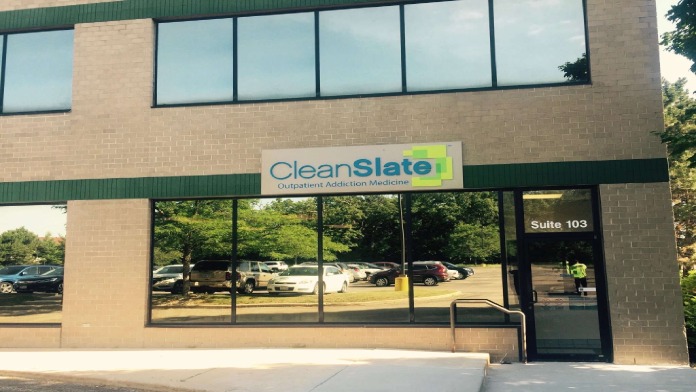
CleanSlate Outpatient Addiction Medicine Racine
Racine, WI
53406



| Name | Address | Detox Service Setting | Levels Of Care | Media |
|---|---|---|---|---|
5 Door Recovery |
810 W Olin Ave Madison, WI 53715 |
Detox Service Setting
Inpatient DetoxOutpatient Detox
|
Levels Of Care
InpatientOutpatient
|

|
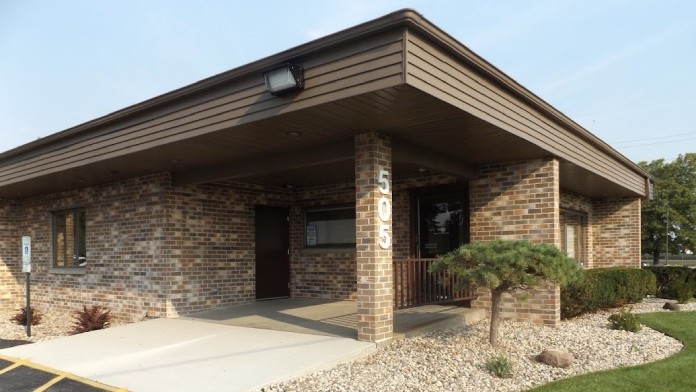
AMS of Wisconsin Oshkosh |
505 South Washburn Street Oshkosh, WI 54904 |
Detox Service Setting
Inpatient DetoxOutpatient DetoxMAT
|
Levels Of Care
InpatientOutpatient
|
|
American Behavioral Clinic Layton Clinic |
7330 West Layton Avenue Milwaukee, WI 53220 |
Detox Service Setting
Outpatient Detox
|
Levels Of Care
OutpatientDual Diagnosis
|
|
Casa Clare, a division of Apricity |
201 South Glenridge Court Appleton, WI 54914 |
Detox Service Setting
Inpatient DetoxOutpatient Detox
|
Levels Of Care
InpatientOutpatientSober Living
|

|
CleanSlate Outpatient Addiction Medicine Green Bay |
2960 Allied St Green Bay, WI 54304 |
Detox Service Setting
Inpatient DetoxOutpatient DetoxMAT
|
Levels Of Care
InpatientOutpatientIntensive Outpatient
|
|
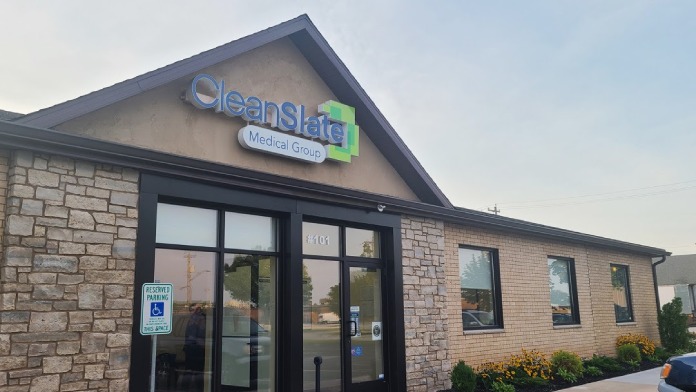
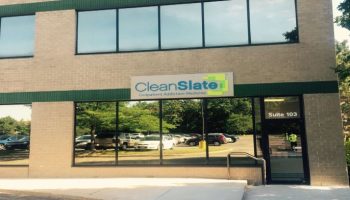
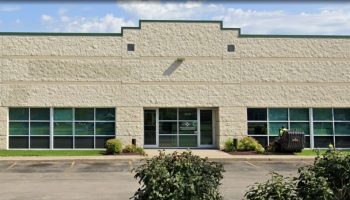
CleanSlate Outpatient Addiction Medicine Racine |
5439 Durand Ave Racine, WI 53406 |
Detox Service Setting
Inpatient DetoxOutpatient Detox
|
Levels Of Care
InpatientOutpatient
|
|
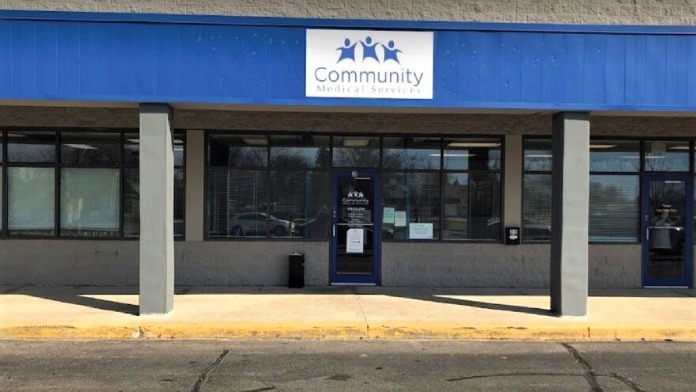
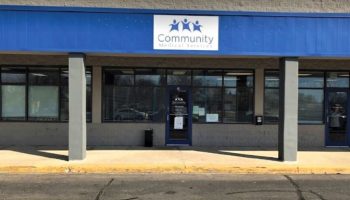
Community Medical Services Fond du Lac |
23 W Scott St Fond du Lac, WI 54935 |
Detox Service Setting
Inpatient DetoxOutpatient Detox
|
Levels Of Care
InpatientOutpatient
|
|
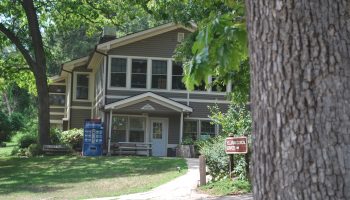
Detoxification Center |
2914 Industrial Drive Madison, WI 53713 |
Detox Service Setting
Hospital DetoxInpatient DetoxOutpatient Detox+1
|
Levels Of Care
InpatientOutpatient
|
|
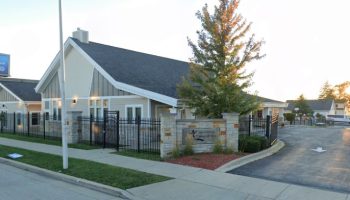
Great Lakes Adult & Teen Challenge |
5301 North 91st Street Milwaukee, WI 53225 |
Detox Service Setting
Inpatient DetoxOutpatient Detox
|
Levels Of Care
InpatientOutpatientAftercare
|
|
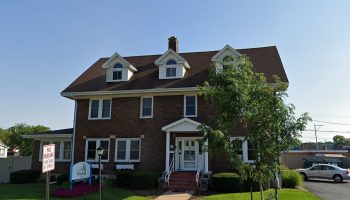
Jackie Nitschke Center |
630 Cherry Street Green Bay, WI 54301 |
Detox Service Setting
Inpatient DetoxOutpatient DetoxMAT
|
Levels Of Care
InpatientOutpatientAftercare+1
|
|
LE Phillips Libertas Treatment Center |
2661 County Highway I Chippewa Falls, WI 54729 |
Detox Service Setting
Inpatient DetoxOutpatient Detox
|
Levels Of Care
InpatientOutpatientAftercare+1
|

|
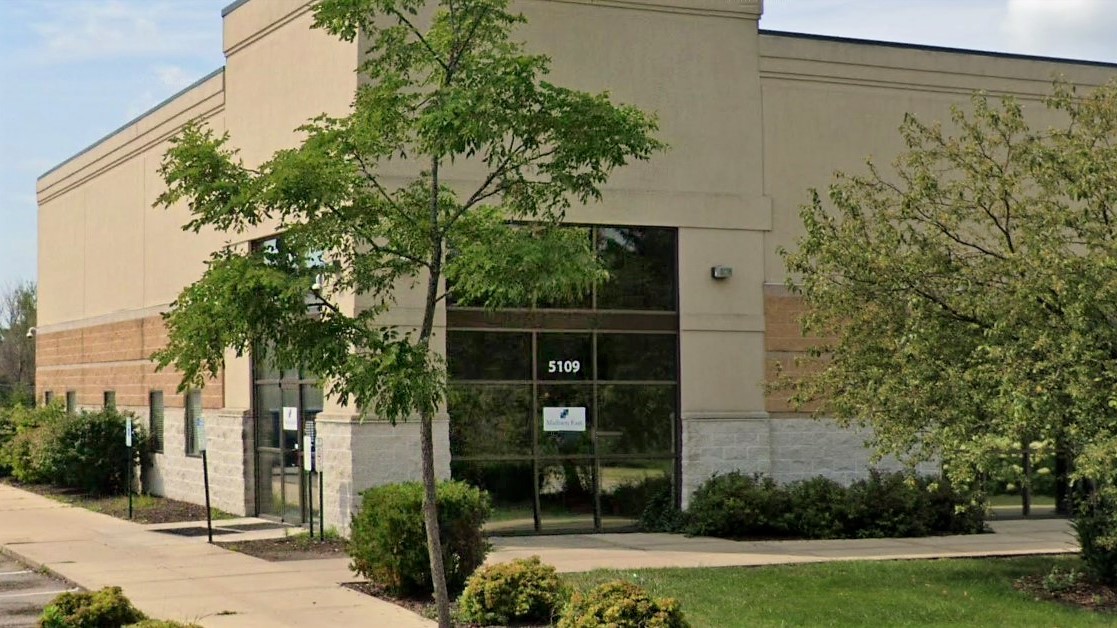
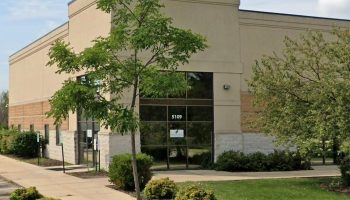
Madison East Comprehensive Treatment Center |
5109 World Dairy Drive Madison, WI 53716 |
Detox Service Setting
Outpatient Detox
|
Levels Of Care
Outpatient
|
|
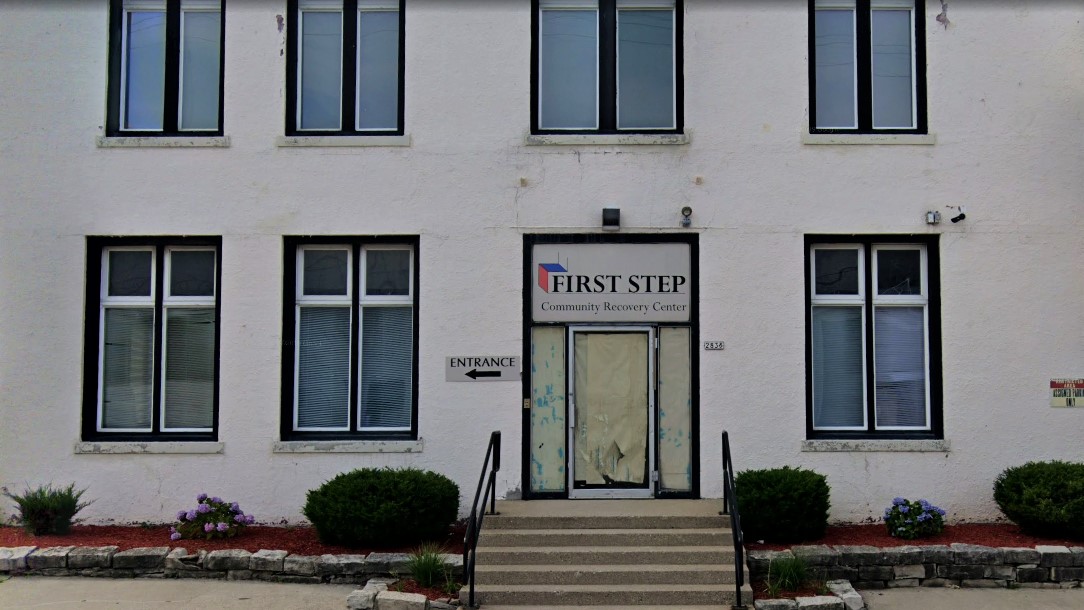
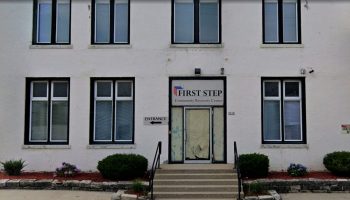
Milwaukee Detox Center |
2835 North 32nd Street Milwaukee, WI 53210 |
Detox Service Setting
|
Levels Of Care
Dual Diagnosis
|
|
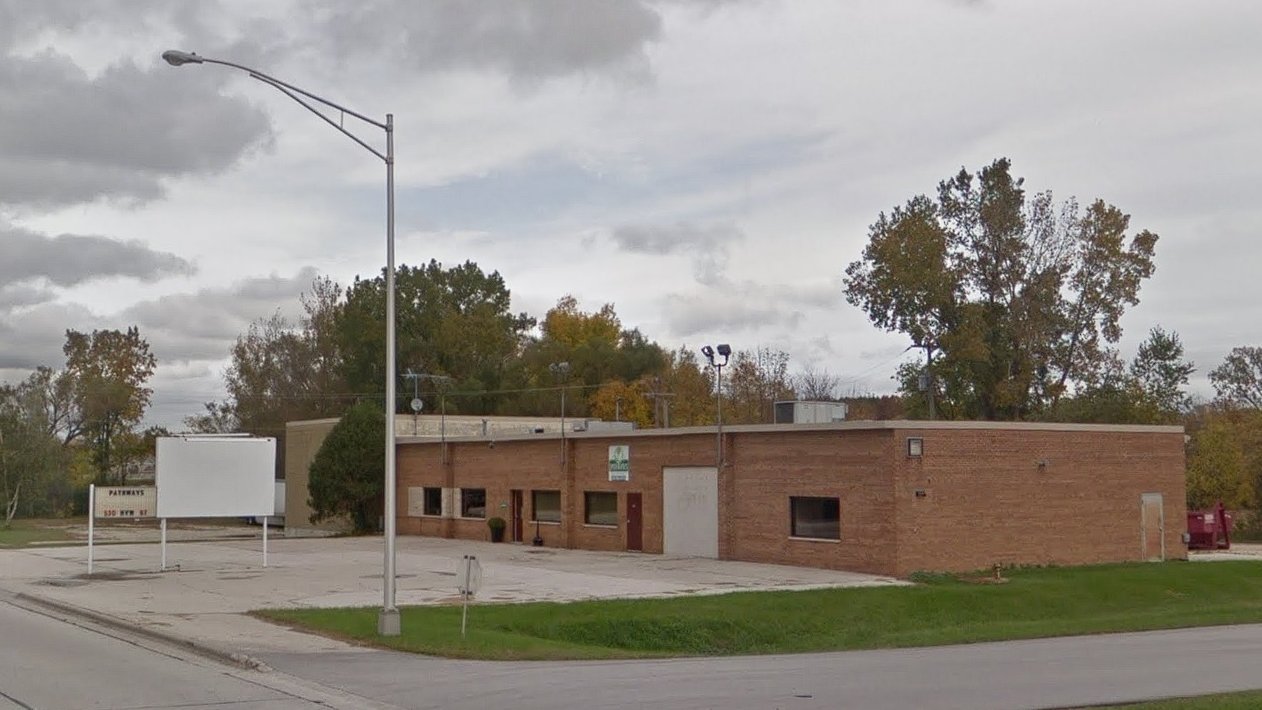
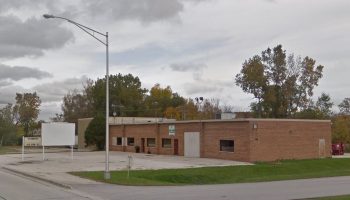
Pathways to a Better Life Alcohol and Drug Treatment Center |
530 State Rd 67 Kiel, WI 53042 |
Detox Service Setting
Inpatient DetoxOutpatient Detox
|
Levels Of Care
InpatientOutpatientDual Diagnosis+1
|
|
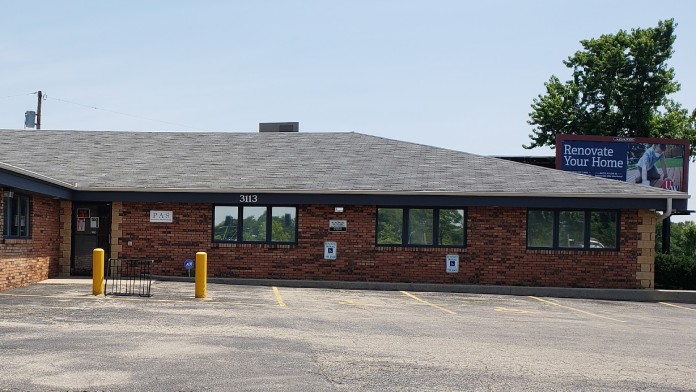
Psychological Addiction Services |
3113 E Washington Ave Madison, WI 53704 |
Detox Service Setting
Inpatient DetoxOutpatient Detox
|
Levels Of Care
InpatientOutpatient
|
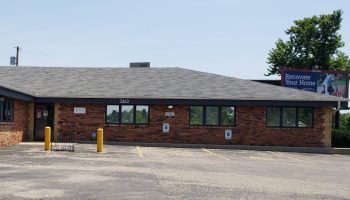
|
Rogers Behavioral Health Brown Deer Main Campus |
4600 West Schroeder Drive Brown Deer, WI 53223 |
Detox Service Setting
Inpatient DetoxOutpatient Detox
|
Levels Of Care
InpatientOutpatientDual Diagnosis
|

|
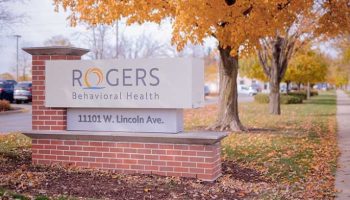
Rogers Behavioral Health West Allis |
11101 W Lincoln Ave West Allis, WI 53227 |
Detox Service Setting
Inpatient DetoxOutpatient Detox
|
Levels Of Care
InpatientOutpatient
|
|
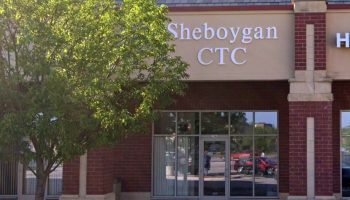
Sheboygan Comprehensive Treatment Center |
2842 South Business Drive Sheboygan, WI 53081 |
Detox Service Setting
Outpatient Detox
|
Levels Of Care
Outpatient
|
|
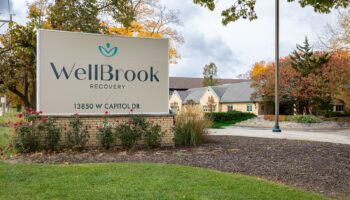
Wellbrook Recovery: Addiction Treatment Center In Wisconsin |
13850 West Capitol Drive Brookfield, WI 53005 |
Detox Service Setting
Inpatient DetoxOutpatient DetoxMAT
|
Levels Of Care
InpatientIntensive OutpatientDual Diagnosis+3
|
|
West Milwaukee Comprehensive Treatment Center |
1610 Miller Park Way Milwaukee, WI 53214 |
Detox Service Setting
Outpatient Detox
|
Levels Of Care
OutpatientDual Diagnosis
|
|
Detox in Wisconsin is regulated primarily through the Wisconsin Department of Health Services (DHS), Division of Quality Assurance (DQA), which certifies substance use treatment programs under Code DHS 75. This code explicitly defines multiple levels of care, including residential withdrawal management (medically monitored withdrawal and intoxication monitoring), and sets expectations for staffing, safety, and clinical services.
A Wisconsin-specific “watch item” for many families is the payer mix and “room and board” gap. Wisconsin Medicaid (ForwardHealth/BadgerCare Plus) covers residential substance use disorder (SUD) treatment in certain facility types, but does not cover room and board, which can become the main out-of-pocket expense even when treatment services are covered.
Wisconsin DHS directs members to coordinate room/board options with providers and county human services. The state has also earmarked opioid settlement dollars toward room-and-board support for Medicaid members in residential SUD treatment.
Wisconsin’s detox ecosystem is also shaped by harm-reduction and county contracting realities. The state uses naloxone standing orders to expand pharmacy and community distribution statewide, and opioid settlement funding includes investments in overdose prevention and medication assisted treatment (MAT) expansion.
At the local level, news in Dane County has highlighted how detox capacity can shift when long-running county provider contracts change. This is an important reminder to confirm admission criteria, funding status, and alternatives before you need a bed.
Detox costs in Wisconsin vary widely based on medical complexity, setting (hospital, residential, or outpatient), and medication needs. Many people lower out-of-pocket costs through private insurance, BadgerCare Plus/Medicaid, or county-funded pathways—especially when room-and-board support is available locally.
In Wisconsin, published “average cost” figures are limited because many providers don’t publicly post prices and reimbursement varies by payer. What you can verify are common cost drivers (length of stay, medical monitoring intensity, and medications) plus a mix of Wisconsin-specific and national benchmark estimates.
Private insurance plans in Wisconsin generally must follow federal parity rules for mental health/substance use coverage, and the state also has a law addressing coverage of mental health and substance use disorders in certain policy types.
The Wisconsin Office of the Commissioner of Insurance (OCI) regulates insurers and publishes consumer guidance on these mandated benefits and parity-related requirements.

Medicare in Wisconsin covers many inpatient and outpatient substance use services, including care for substance use disorders and services through OTPs. Medicare Part A can cover inpatient hospital treatment; Part B covers OTP services and MOUD like methadone/buprenorphine/naltrexone when delivered through an OTP.
Wisconsin Medicaid/BadgerCare Plus (ForwardHealth) covers substance use treatment, including residential SUD treatment in eligible, certified facilities. A major Wisconsin-specific issue is that the residential benefit does not cover room and board, so members often coordinate with counties, providers, or other funding sources for that portion.

Some Wisconsin community providers offer discounted/sliding fee schedules for uninsured or low-income patients. For example, Outreach Community Health Centers (Milwaukee) notes a sliding-scale option, and Family Health Center of Marshfield offers a Sliding Fee Discount Program.
The Salvation Army Adult Rehabilitation Center (Milwaukee ARC) describes its program as free addiction recovery services (residential recovery support).
County human services departments can be direct access points for uninsured residents. Dane County states it offers adult addiction treatment for people without insurance and also notes room-and-board support for eligible residential treatment. Milwaukee County also operates Access Clinics for uninsured residents in behavioral health or co-occurring crises.
Wisconsin DHS reports opioid settlement investments that include room-and-board costs for Medicaid members in residential SUD treatment, MAT programming, and overdose prevention supplies (e.g., Narcan and fentanyl test strips), which can indirectly reduce patient cost barriers.
Veterans can access SUD services through VA and state veteran supports. The Wisconsin Department of Veterans Affairs Veterans Outreach and Recovery Program (VORP) helps connect veterans to treatment and recovery resources, and the VA Madison site highlights an Addictive Disorders Treatment Program for veterans.
The DQA is the primary state authority certifying substance use treatment programs under Wisconsin rules, including programs that provide withdrawal management/detox-related services.
DHS 75 is the core regulatory framework defining certified substance use service standards in Wisconsin, including residential service requirements and specific levels of care such as residential withdrawal management.
Wisconsin’s SOTA role is part of the opioid treatment program oversight ecosystem, interfacing with federal OTP requirements and supporting state-level oversight of opioid treatment services.
SAMHSA maintains the national OTP framework and lists State Opioid Treatment Authorities by state, supporting compliance with federal OTP rules alongside state oversight.
The Wisconsin OCI regulates insurance carriers operating in Wisconsin and publishes consumer guidance on mandated mental health/substance use disorder benefits and parity-related issues.
In Wisconsin, MAT is governed by a mix of federal OTP rules (for methadone clinics/OTPs) and Wisconsin’s DHS 75 standards. This includes provisions for office-based opioid treatment (OBOT) under state oversight structures.
Wisconsin DHS also publishes state-facing guidance describing how methadone, buprenorphine, and naltrexone are commonly delivered in Wisconsin treatment systems (OTP vs. office-based). The department describes buprenorphine formulations and notes that healthcare professionals can prescribe at-home doses (tablet/film), supporting broader access outside OTP-only settings.
The DHS also notes that methadone is taken at a certified opioid treatment program until patients qualify for take-home dosing, reflecting the OTP-only pathway for OUD treatment methadone. They describe naltrexone as a monthly injection that can be prescribed by any health care professional, making it easier to deliver in a wider set of outpatient medical settings than OTP-restricted medications.
Buprenorphine, including Suboxone, is available in Wisconsin through both certified opioid treatment programs and office-based providers. Because clinicians can prescribe take-home tablet and film doses, many Wisconsin residents start and maintain treatment without daily clinic visits. Wisconsin Medicaid and BadgerCare Plus cover buprenorphine, which supports access in rural counties with few OTPs.
Methadone for opioid use disorder is dispensed only at Wisconsin’s federally certified opioid treatment programs, which operate under state oversight coordinated by the DHS State Opioid Treatment Authority. Patients dose on-site until they qualify for take-home doses, so access depends on proximity to a certified clinic. Wisconsin Medicaid covers methadone provided through these programs.
Naltrexone, most often the monthly Vivitrol injection, can be prescribed by any Wisconsin health care professional and needs no special OTP certification. That flexibility lets primary care and outpatient clinics offer it across the state, including areas without opioid treatment programs. It treats both opioid and alcohol use disorder and is covered by Wisconsin Medicaid.
Wisconsin’s overdose prevention approach relies heavily on harm reduction access points—naloxone distribution, syringe service programs, and safer-use supplies—often offered through public health agencies and community organizations. These services reduce overdose risk and can serve as a bridge into detox and longer-term treatment.
Wisconsin DHS uses standing orders as the “prescription backbone” to expand naloxone access through pharmacists and community distribution pathways statewide.
The department provides statewide SSP guidance and emphasizes SSPs as a harm reduction strategy that also increases linkage to treatment.
The center maintains multiple syringe service access points and publishes up-to-date location details and related recovery supports.
UMOS operates syringe exchange services in Milwaukee and positions them as a free, public-facing harm reduction service.
NEXT Distro lists Wisconsin harm reduction pathways and points people to syringe exchange and supply access options, including contact points for harm reduction support.
Wisconsin’s detox and withdrawal-management needs are closely tied to overdose trends, opioid involvement (especially fentanyl), and demand on EMS systems. According to another report by the Wisconsin DHS, there were 4,329 suspected opioid overdose ambulance runs statewide year-to-date (as shown in a December 2025 report). In the same DHS ambulance-run report, statewide naloxone doses administered year-to-date are listed at 4,527, reflecting high ongoing reversal needs.
Wisconsin recorded nearly 1,800 drug overdose deaths in 2023, a decrease from 2022. The same state report cites 1,830 overdose deaths in 2022, highlighting a persistently high fatal overdose burden entering 2023.
In 2023, the report also notes that about 80% of overdose deaths involved opioids (e.g., fentanyl, oxycodone, heroin).
According to another report by the Wisconsin DHS, there were 4,329 suspected opioid overdose ambulance runs statewide year-to-date (as shown in a December 2025 report). In the same DHS ambulance-run report, statewide naloxone doses administered year-to-date are listed at 4,527, reflecting high ongoing reversal needs.
Look for programs certified under Wisconsin DHS/DQA standards (DHS 75). Wisconsin maintains certification resources through DHS, and programs typically identify DHS 75 service levels (like residential withdrawal management). If a facility can’t clearly state its DHS 75 certification status or level-of-care, consider that a red flag.
BadgerCare Plus/ForwardHealth covers many SUD services, including residential SUD treatment in eligible, certified settings. The Wisconsin-specific catch is that room and board isn’t covered under the residential benefit, so members often coordinate additional help through providers or county human services.
Wisconsin’s DHS 75 rules describe residential withdrawal management as medically monitored withdrawal/intoxication monitoring with defined staffing and clinical expectations. Length of stay depends on medical risk and substance involved. Some local programs describe short stays around a few days for many patients, with longer stays for others.
Yes. Wisconsin DHS uses statewide naloxone standing orders that function as the prescribing mechanism so pharmacists and certain community distribution channels can provide naloxone more easily. Availability and cost vary by pharmacy and insurance, but standing orders are designed to reduce access barriers statewide.
Start with your county human services department or a DHS-certified provider network, since counties often coordinate referrals, funding pathways, and practical supports. Wisconsin guidance encourages coordinating with county agencies, and some benefits (like Medicaid NEMT for medical appointments) can reduce transportation barriers during treatment.