Find Drug & Alcohol Detox Centers in Concord, NC

Detox Centers in Concord

15 Results
Filters
Setting
Medications Offered
Treatment
Programs
Payment Options
Name Address Detox Service Setting Levels Of Care Media

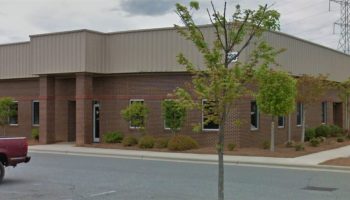
Daymark Recovery Services Cabarrus Facility Based Crisis

280 Executive Park Drive Concord, NC 28025
Detox Service Setting
Inpatient DetoxOutpatient Detox
Levels Of Care
InpatientOutpatientAftercare+2
Daymark Recovery Services Cabarrus Facility Based Crisis

Absolute Advocacy Concord

3 Union St S Concord, NC 28025
Detox Service Setting
Inpatient DetoxOutpatient Detox
Levels Of Care
InpatientOutpatient

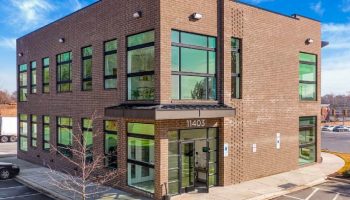
Harmony Recovery Center

11403 N Tryon St Charlotte, NC 28262
Detox Service Setting
Inpatient DetoxOutpatient Detox
Levels Of Care
InpatientOutpatient
Harmony Recovery Center

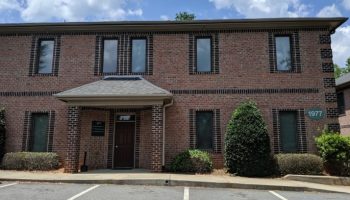
Absolute Advocacy

1977 J N Pease Pl Charlotte, NC 28262
Detox Service Setting
Inpatient DetoxOutpatient Detox
Levels Of Care
InpatientOutpatient
Absolute Advocacy

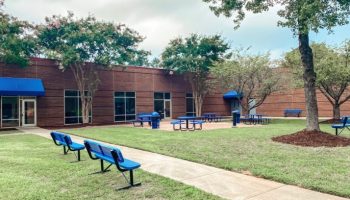
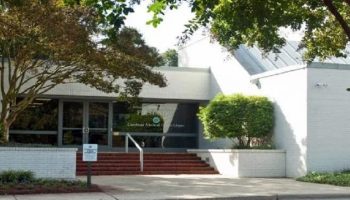
Carolina Center for Recovery

7349 Statesville Rd Charlotte, NC 28269
Detox Service Setting
Inpatient DetoxOutpatient Detox
Levels Of Care
InpatientOutpatient
Carolina Center for Recovery

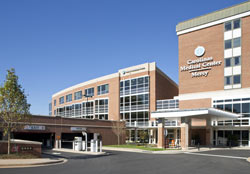
Atrium Health Mercy

2001 Vail Avenue Charlotte, NC 28207
Detox Service Setting
Hospital DetoxMATInpatient Detox
Levels Of Care
InpatientPHP
Atrium Health Mercy

Anuvia Prevention and Recovery Center

100 Billingsley Road Charlotte, NC 28211
Detox Service Setting
Inpatient DetoxOutpatient Detox
Levels Of Care
InpatientOutpatientAftercare+3
Anuvia Prevention and Recovery Center

Atrium Health Behavioral Health Psychiatric and Counseling

923 North Second Street Albemarle, NC 28001
Detox Service Setting
Inpatient DetoxOutpatient DetoxMAT
Levels Of Care
InpatientPHPOutpatient+1
Atrium Health Behavioral Health Psychiatric and Counseling

New Season Treatment Center – Charlotte

3315 Wilkinson Boulevard Charlotte, NC 28208
Detox Service Setting
Outpatient DetoxMAT
Levels Of Care
Outpatient
New Season Treatment Center – Charlotte

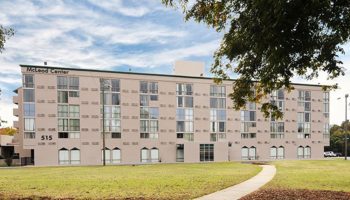
McLeod Addictive Disease Center

515 Clanton Road Charlotte, NC 28217
Detox Service Setting
Inpatient DetoxOutpatient Detox
Levels Of Care
InpatientOutpatientAftercare
McLeod Addictive Disease Center

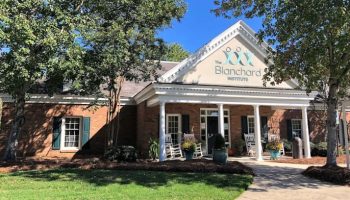
The Blanchard Institute

10348 Park Rd Charlotte, NC 28210
Detox Service Setting
Inpatient DetoxOutpatient Detox
Levels Of Care
InpatientOutpatient
The Blanchard Institute

York County Treatment Center

377 Rubin Center Drive Fort Mill, SC 29715
Detox Service Setting
Outpatient DetoxMAT
Levels Of Care
Outpatient
York County Treatment Center

First Step at Carolinas Medical Center Union

1623 East Sunset Drive Monroe, NC 28112
Detox Service Setting
Inpatient DetoxOutpatient DetoxMAT
Levels Of Care
InpatientPHPOutpatient+1
First Step at Carolinas Medical Center Union

Center Street Psychiatry

750 Hartness Road Statesville, NC 28677
Detox Service Setting
Outpatient Detox
Levels Of Care
OutpatientDual Diagnosis
Center Street Psychiatry

The Gastonia’s Potter’s House

54 Burmill Rd Gastonia, NC 28054
Detox Service Setting
Inpatient DetoxOutpatient Detox
Levels Of Care
InpatientOutpatient
The Gastonia’s Potter’s House

Drug & Alcohol Detox in Concord, NC

Concord is the county seat of Cabarrus County, located roughly 20 miles northeast of Charlotte. The city has a range of detox and addiction treatment options, from medically supervised inpatient programs to outpatient medication clinics. The proximity to the Charlotte metro gives residents access to an even broader treatment corridor.

Oversight of treatment facilities falls to the North Carolina Division of Health Service Regulation (DHSR), which licenses all residential, outpatient, and detox programs operating in the state, and to the NC DHHS Division of Mental Health, Developmental Disabilities and Substance Use Services (DMH/DD/SUS), which sets clinical service definitions and funds community-based care.

At the local level, Cabarrus Health Alliance serves as the county public health authority, tracking overdose trends, operating the Syringe Service Program, and coordinating the Healthy Cabarrus Substance Use Coalition.

Cabarrus County identified substance use as its top community health priority in 2016, and that designation has shaped years of investment in prevention and treatment infrastructure. In 2024, Cabarrus County approved a strategic plan for distributing its share of North Carolina’s opioid settlement. This allocated dollars to the county’s EMS and Sheriff’s Office medication-assisted treatment programs, community-based youth education, and harm reduction.

The county is set to receive approximately $21 million in settlement funds over 18 years.

Locally available treatment includes medically supervised detox and residential services at Pyramid Healthcare (1501 Zion Church Road East), outpatient and intensive outpatient programs at Daymark Recovery Services (284 Executive Park Drive), and a SAMHSA-certified opioid treatment program at McLeod Centers for Wellbeing (300 Copperfield Blvd).

For people weighing their options, understanding what each level of care involves is an important early step. Information about choosing the right detox center covers the key factors to consider when comparing programs.
Find The Perfect Detox Center For You

Filter treatment centers in Concord by level of care offered to find the best detox program for you or a loved one.

Paying for Detox in Concord

The cost of detox in Concord depends heavily on the level of care, the substances involved, and whether treatment takes place in a hospital, residential facility, or outpatient setting. North Carolina has a strong Medicaid program and a network of state-funded providers that reduce financial barriers.

How Much Does Detox Cost in Concord?

Cost varies significantly by program type. Medical complexity, length of stay, medication needs, and facility amenities all affect the final price. No Concord-specific price surveys are publicly available, so the figures below reflect North Carolina statewide averages.

$139,932
Medical Detox
$50,086
Inpatient Rehab
$8,322
Outpatient Rehab
$7,394
Methadone Treatment

Does Private Insurance Cover Detox in Concord?

Private insurers operating in North Carolina must comply with the Affordable Care Act’s mental health parity requirements, meaning substance use disorder treatment must be covered at the same level as other medical benefits.

The North Carolina Department of Insurance oversees carrier compliance with state and federal insurance laws. Residents can verify coverage and compare plans at the NC Health Insurance Marketplace. The most common commercial insurance carriers active in Cabarrus County include:

Bcbs North Carolina
United Health Care
Aetna
Cigna
Ambetter

Medicare and Medicaid in Concord

Medicare

Medicare covers inpatient and outpatient detox programs in Concord. Part B covers opioid treatment program services, including methadone dosing and buprenorphine management. Copays and deductibles depend on the treatment setting, services received, and the specific Medicare plan.

Medicaid

NC Medicaid covers ambulatory withdrawal management, medically monitored inpatient withdrawal management, social setting detoxification, SAIOP, SACOT, and medication-assisted treatment. In Cabarrus County, behavioral health Medicaid services are administered through Partners BHM, the local Tailored Plan, and LME/MCO. Residents without active managed care enrollment can access services through NC Medicaid Direct.

Other Ways to Pay for Detox Treatment

Detoxification programs are critical to your recovery, yet you may feel the costs are overwhelming. There are several alternatives for people in Concord who lack private insurance or cannot afford out-of-pocket costs:

Sliding Scale Payment Systems: 

McLeod Centers for Wellbeing in Concord accepts SAMHSA block grants and state funding, making its outpatient MAT program accessible to patients with limited income on a sliding fee basis.

State-Funded Programs: 

Daymark Recovery Services (284 Executive Park Drive) provides state-funded outpatient and intensive outpatient treatment in Concord, serving residents who qualify based on income and county residency.

Opioid Settlement Grants: 

Cabarrus County is distributing its $21 million opioid settlement allocation across treatment, recovery, and harm reduction programs, including funding the county’s EMS and Sheriff’s Office MAT initiatives.

Veterans Programs: 

Veterans in Cabarrus County can access addiction treatment through the Salisbury VA Medical Center (1601 Brenner Avenue) and the Charlotte VA Health Care System, both of which provide MAT and residential SUD treatment services at no cost to eligible veterans.

Nonprofit and Charity Care: 

The Charlotte Rescue Mission Rebound, the closest free residential recovery program to Concord, offers faith-based residential treatment for men and women without income or insurance.

Concord, North Carolina Regulations and Accreditation for Detox

Regulatory agencies and accreditation bodies help ensure that patients receive high-quality care that meets their needs. Here are the key regulatory and accreditation bodies overseeing detox and withdrawal management services in Concord and Cabarrus County:

NC Division of Health Service Regulation (DHSR)

The primary state licensing authority for behavioral health treatment facilities in North Carolina. DHSR licenses residential treatment centers, outpatient programs, detox facilities, and MAT providers, and conducts periodic compliance inspections. Any facility operating a detox or withdrawal management program in Concord must hold and maintain active DHSR licensure under 10A NCAC Chapter 27.

Website: ncdhhs.gov

NC DHHS Division of Mental Health, Developmental Disabilities and Substance Use Services (DMH/DD/SUS)

The division is responsible for setting clinical service definitions for state-funded SUD services, including ambulatory withdrawal management, medically monitored inpatient withdrawal management, social setting detoxification, and residential programs. As of October 2024, updated standalone withdrawal management service definitions align with North Carolina clinical standards with the ASAM Criteria.

Website: ncdhhs.gov

Partners BHM (Behavioral Health Management)

The LME/MCO and Tailored Plan serving Cabarrus County under NC Medicaid. Partners BHM manages state-funded and Medicaid-covered behavioral health services for county residents, authorizes treatment, and oversees provider compliance with NC DHHS service definition requirements.

Cabarrus Health Alliance

The county public health authority for Cabarrus County. Cabarrus Health Alliance conducts overdose surveillance, operates the Healthy Cabarrus Substance Use Coalition, and administers the county Syringe Service Program. Its data reporting informs local resource allocation and feeds the state’s NC OSUAP dashboard.

NC Board of Substance Use Disorder Professionals (NCBSUDP)

The professional licensing board that certifies alcohol and drug counselors, prevention specialists, clinical supervisors, and certified criminal justice addictions professionals in North Carolina under NCGS Chapter 90, Article 5C. All counseling staff at licensed detox and SUD treatment programs must meet applicable credentialing standards set by the Board.

Key MAT Medications and Regulatory Status in Concord

Medication-assisted treatment in Concord is regulated at both the federal and state levels. Federally, opioid treatment programs using methadone must comply with SAMHSA’s OTP regulations under 42 CFR Part 8 and DEA controlled substance requirements. In North Carolina, DHSR licenses OTPs and aligns state standards with federal requirements. McLeod Centers for Wellbeing (300 Copperfield Blvd, Concord) is Cabarrus County’s SAMHSA-certified OTP, providing methadone and buprenorphine on an outpatient basis.

Buprenorphine: 

Accessible in Concord through multiple providers. Since the federal government eliminated the X-waiver requirement in 2023, any DEA-registered provider can prescribe buprenorphine for opioid use disorder in an office or telehealth setting, significantly lowering the barrier to initiation. NC Medicaid covers buprenorphine products, including Suboxone.

Methadone: 

Must be dispensed through a SAMHSA-certified Opioid Treatment Program. In Cabarrus County, McLeod Centers for Wellbeing is the local certified OTP. Daily dosing at the clinic is required initially; take-home doses may be permitted after patients meet stability criteria. NC Medicaid covers methadone through certified OTPs.

Naltrexone: 

No special prescribing license required, making it available from primary care providers, outpatient programs, and via telehealth. The injectable extended-release formulation is called Vivitrol. It is covered by NC Medicaid and frequently used in Cabarrus County’s Sheriff’s Office MAT program.

Overdose Prevention and Harm Reduction in Concord

Cabarrus County has a documented harm reduction infrastructure built around keeping people who use drugs alive and connected to care. Fentanyl dominates the local and statewide overdose picture, making naloxone access and overdose education especially critical.

Understanding the risks of fentanyl exposure is increasingly important for anyone in contact with the street drug supply. Local and statewide organizations provide free naloxone, syringe exchange, HIV and hepatitis testing, and direct linkage to treatment.

Cabarrus Health Alliance Syringe Service Program

Sterile syringe and injection supply exchange Naloxone distribution and overdose response training Good Samaritan Law education Free walk-in HIV and Hepatitis C testing Hepatitis A and B vaccination STI screening and PrEP referrals Linkage to treatment and recovery resources

Cabarrus Health Alliance runs one of the area’s most established harm reduction programs, with fixed exchange sites at 300 Mooresville Road in Kannapolis (Mondays, Wednesdays, and Fridays, 12 to 2 p.m. and 3:30 to 4:30 p.m.) and at Trinity United Church of Christ, 38 Church Street NE in Concord (Tuesdays, 3 to 5 p.m.). The program also coordinates post-overdose response through the Healthy Cabarrus Substance Use Coalition.

NC Harm Reduction Coalition (NCHRC)

Naloxone distribution statewide (including to Cabarrus County providers) Fentanyl test strip distribution Training for law enforcement, EMS, and community members Advocacy and drug policy reform Direct services for people impacted by drug use and incarceration

NCHRC is a statewide grassroots organization that has partnered with Cabarrus Health Alliance to supply naloxone kits and harm reduction materials to county residents. They also support law enforcement agencies with naloxone training and provide resources for people navigating the intersection of drug use and the criminal justice system.

Daymark Recovery Services Crisis Center

Walk-in crisis assessment (no appointment needed) Referral to detox and residential treatment Outpatient and intensive outpatient services Linkage to MAT

Located at 284 Executive Park Drive, Concord, Daymark’s crisis center is open Monday through Friday from 8 a.m. to 8 p.m. and serves as the county’s primary walk-in stabilization point for people in acute substance use crises. Staff can complete same-day assessments and coordinate referrals to detox beds in the region.

Healthy Cabarrus Substance Use Coalition

Post-overdose response and outreach Community naloxone distribution coordination Youth prevention programming (Drug Free Communities grant) Multi-sector partnership coordination

Launched in 2013 and funded in part through the federal Drug Free Communities Program (through September 2027), the Healthy Cabarrus Substance Use Coalition brings together public health, healthcare, law enforcement, education, faith communities, and business partners to address substance use county-wide. Its post-overdose response program links overdose survivors directly to treatment and harm reduction services.

Detox Statistics in Concord, North Carolina

Cabarrus County has faced a significant burden from the opioid and fentanyl crisis, consistent with broader trends across North Carolina. The statistics below reflect recent data at both the county and state levels to provide context for local conditions.

69 Overdose Deaths in Cabarrus County (2021):

Cabarrus County recorded 69 drug overdose deaths in 2021, reflecting the peak years of the fentanyl-driven surge that affected communities across the state.

34% Decline in NC Overdose Deaths (2023 to 2024): 

North Carolina overdose deaths fell from more than 4,400 in 2023 to fewer than 3,000 in 2024, the first significant decline since 2019, driven in part by expanded naloxone access and harm reduction efforts.

71% Fentanyl Involvement Rate in NC (2024): 

In 2024, fentanyl and other synthetic opioids were involved in 71% of all drug overdose deaths in North Carolina, making illicitly manufactured fentanyl the dominant driver of the state’s overdose mortality.

FAQs About Detox in Concord, NC

Is there a walk-in option in Concord for people who need help immediately?

Yes. Daymark Recovery Services (284 Executive Park Drive, Concord) operates a walk-in crisis center Monday through Friday from 8 a.m. to 8 p.m. No appointment is needed. Staff complete same-day crisis assessments and can arrange direct referrals to detox, residential programs, and MAT providers in the area. Calling 704-939-1100 before arriving can help reduce wait time.

How do I access low-cost or free detox in Concord without insurance?

Daymark Recovery Services offers state-funded outpatient treatment for qualifying Cabarrus County residents. McLeod Centers for Wellbeing (300 Copperfield Blvd) accepts SAMHSA block grant funding for its MAT program. For residential care, the Charlotte Rescue Mission Rebound is the closest free option. Residents can also apply for NC Medicaid through the NC FAST portal if they meet income eligibility requirements, which has covered more than 600,000 previously uninsured North Carolinians since the state expanded Medicaid in 2023.

Does North Carolina have a Good Samaritan Law for overdose situations?

North Carolina’s limited immunity law provides some legal protections for people who call 911 in good faith during a drug overdose emergency. The law does not provide blanket immunity, but it shields callers and overdose victims from prosecution for certain drug possession offenses when care is sought. Cabarrus Health Alliance’s Syringe Service Program provides printed education on these protections to all registered participants.

Where can I get free naloxone in Concord?

Free naloxone is available through Cabarrus Health Alliance’s Syringe Service Program at Trinity United Church of Christ (38 Church Street NE, Concord, Tuesdays 3 to 5 p.m.) and at the Kannapolis main site. NC Harm Reduction Coalition also distributes naloxone kits statewide through partner organizations. Naloxone is also available without a prescription at most Cabarrus County pharmacies, and NC Medicaid covers it at no cost for eligible members.

What is the difference between inpatient and outpatient detox, and how do I know which level I need?

Inpatient detox provides 24-hour medical supervision in a residential or hospital setting and is recommended for alcohol, benzodiazepine, and high-dose opioid withdrawal, where complications can be life-threatening. Outpatient detox involves scheduled clinical visits while living at home and is appropriate for milder presentations with strong social support. Pyramid Healthcare in Concord provides medically supervised inpatient detox; McLeod Centers and Daymark offer outpatient options. A detailed comparison of inpatient versus outpatient detox can help clarify which level of care fits a specific situation.

Are there detox programs in Concord that accept veterans' benefits?

Yes. McLeod Centers for Wellbeing (300 Copperfield Blvd) accepts military insurance, including TRICARE. The Salisbury VA Medical Center (1601 Brenner Avenue, Salisbury) and the Charlotte VA Health Care System both offer SUD treatment, including MAT, to eligible veterans at no cost. Veterans do not need a referral to contact their nearest VA facility directly, and many programs have same-day or next-day availability for urgent situations.

Two people talking
Get Help Today!
If you or a loved one is in need of help, call today. Pick up the phone and get the help you need.
800-483-2193
Confidential. Available 24 Hours
Get Help Today Phone icon 800-779-4314