800-262-4205
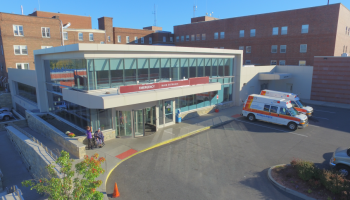
Wayne Behavioral Health Network

About Wayne Behavioral Health Network
Wayne Behavioral Health Network is a county operated outpatient mental health and addiction treatment facility serving children, adolescents, adults, and families throughout Wayne County and surrounding areas in New York.
Wayne Behavioral Health Network serves clients across nine counties in the Finger Lakes region with services available in-person at the Lyons location, via secure telehealth, or by telephone.
The network accepts Medicare, Medicaid, TRICARE, VA funds, private insurance, and offers a sliding fee scale based on income with Access Center services provided at no charge. No one turned away for inability to pay.
Integrated Dual Diagnosis and Addiction Treatment
Wayne Behavioral Health Network specializes in treating co-occurring mental health and substance use disorders with evidence based, whole person care.
The facility offers outpatient treatment including individual psychotherapy, group therapy, and family counseling, alongside an Opioid Treatment Clinic providing detox and medication assisted therapy with methadone and buprenorphine (Suboxone).
Treatment blends therapies like Cognitive Behavioral Therapy, Dialectical Behavior Therapy, and Motivational Interviewing. Sessions combine medication management structured counseling, peer support from Certified Recovery Peer Advocates, and Narcan training for overdose prevention.
Open Access Center for Immediate Crisis Support
The facility’s Open Access Center provides same day crisis intervention and assessment without barriers or appointments. They offer walk-in services Monday through Friday with extended evening hours and connections to after hours crisis support.
| Levels of Care | Detox Service Setting | Programs | Payment Options | ||||
|---|---|---|---|---|---|---|---|
|
Outpatient
|
Dual Diagnosis
|
||||||
|
Outpatient detox gives you access to medically supervised withdrawal services while still allowing you to live at home. You’ll attend a clinic for treatment and monitoring. This flexible option is suitable for those with mild to moderate withdrawal symptoms who have strong support systems. |
|||||||
|
Adult programs include job support and life skills training in a structured environment. Services are designed to address the substance use and life challenges specific to adults. Therapy sessions happen in individual, group and family settings.
|
Alcohol detox programs offer medical support to help individuals withdraw safely from alcohol. Your care team may use medications to ease your symptoms, and they may provide medical monitoring to address complications.
|
Drug detox programs support individuals who are withdrawing from addictive substances like cocaine and heroin. Medical support helps you manage symptoms in a controlled and safe environment so you can achieve initial sobriety.
|
LGBTQ-friendly programs create an inclusive and affirming space for recovery. Treatment is sensitive to issues like discrimination and stigma. You’ll receive support and therapy that respects and acknowledges your unique experiences.
|
Men's programs address substance use while also considering the social pressures, family roles, and mental health concerns specific to men. Participants learn healthy coping mechanisms, build emotional resilience, and develop communication skills.
|
Opioid detox uses medications to ease severe withdrawal symptoms. It includes medical supervision to help you manage potential complications. These services allow you to stabilize safely and begin a recovery plan.
|
Women's programs offer a safe and supportive space to focus on gender-specific issues such as trauma, family roles, and mental health conditions. Therapists tailor the sessions to address women's needs and foster empowerment in a healing and nurturing environment.
|
Young adult programs are designed for individuals who are transitioning into adulthood. Topics of discussion typically include identity, independence, and peer relationships. Providers may also offer life-skills training and career support.
|
|
Payment Assistance
|
Medicaid
|
Medicare
|
Military Insurance
|
Private Insurance
|
Self Pay
|
Levels of Care
Detox Service Setting
Outpatient detox gives you access to medically supervised withdrawal services while still allowing you to live at home. You’ll attend a clinic for treatment and monitoring. This flexible option is suitable for those with mild to moderate withdrawal symptoms who have strong support systems.
Programs
Accepted Insurance


Contact



Kimberly Hawkins holds a Masters degree in Computing and Information Sciences from East Tennessee State University. She is also a freelance writer specializing in content related to mental health, addiction recovery, and overall wellness. On Valentine’s Day of 2024, Kimberly’s only sibling passed away of an accidental drug overdose. Since then, Kimberly has become a passionate advocate for addiction recovery awareness and support.
Detox.com regularly reviews this listing for accuracy but changes may occur between updates. For the most up-to-date information, please contact Wayne Behavioral Health Network.