Find Drug & Alcohol Detox Centers in Augusta, GA

Also known as the Garden City, Augusta gets many visitors every year from far and wide. Unfortunately, many people in this beautiful city are also suffering from substance use disorders. This is a serious, nation-wide problem as well as a local issue. Many people who need treatment for addiction often start with detox, as it is a safe, effective option for one’s recovery from drug dependency.

We can help you find the best drug and alcohol detox centers in Augusta, GA today when you call 404-941-5922 . Our treatment advisors are available 24/7 to help you.

Detox Centers in Augusta

15 Results
Filters
Setting
Medications Offered
Treatment
Programs
Payment Options
Name Address Detox Service Setting Levels Of Care Media

Augusta Metro Treatment Center

2357 Tobacco Road Augusta, GA 30906
Detox Service Setting
Inpatient DetoxOutpatient DetoxMAT
Levels Of Care
InpatientOutpatientDual Diagnosis
Augusta Metro Treatment Center

Augusta University Health

1120 15th Street Augusta, GA 30912
Detox Service Setting
Hospital DetoxInpatient DetoxOutpatient Detox+1
Levels Of Care
InpatientOutpatientDual Diagnosis
Augusta University Health

Clarvida Augusta – Child and Adolescent

3643 Walton Way Ext Augusta, GA 30909
Detox Service Setting
Inpatient DetoxOutpatient Detox
Levels Of Care
InpatientOutpatient
Clarvida Augusta – Child and Adolescent

Jones Behavioral Health

114 Pleasant Home Road Augusta, GA 30907
Detox Service Setting
Outpatient Detox
Levels Of Care
OutpatientDual Diagnosis
Jones Behavioral Health

Residential Treatment Facility (RTF) Dwight D Eisenhower Mem Hospital

300 East Hospital Road Augusta, GA 30905
Detox Service Setting
Inpatient DetoxOutpatient Detox
Levels Of Care
InpatientOutpatientPHP+2
Residential Treatment Facility (RTF) Dwight D Eisenhower Mem Hospital

Serenity Behavioral Health Systems

3421 Mike Padgett Highway Augusta, GA 30906
Detox Service Setting
Outpatient DetoxMAT
Levels Of Care
Outpatient
Serenity Behavioral Health Systems

Dawn Center for Recovery Augusta

2803 Wrightsboro Rd Augusta, GA 30909
Detox Service Setting
Inpatient DetoxOutpatient Detox
Levels Of Care
InpatientOutpatient

House Of Hope PCH

1962 Neptune Dr Augusta, GA 30906
Detox Service Setting
Inpatient DetoxOutpatient Detox
Levels Of Care
InpatientOutpatient

Eisenhower Army Medical Center

300 Hospital Road Fort Gordon, GA 30905
Detox Service Setting
Inpatient DetoxOutpatient Detox
Levels Of Care
InpatientOutpatientAftercare+1
Eisenhower Army Medical Center

Dwight D. Eisenhower Army Medical Center

300 West Hospital Road Fort Gordon, GA 30905
Detox Service Setting
Inpatient DetoxOutpatient Detox
Levels Of Care
InpatientOutpatientAftercare+1
Dwight D. Eisenhower Army Medical Center

LifeStance Health

4039 Gateway Boulevard Grovetown, GA 30813
Detox Service Setting
Outpatient Detox
Levels Of Care
OutpatientAftercareDual Diagnosis
LifeStance Health

BHG Aiken Treatment Center

410 University Parkway Aiken, SC 29801
Detox Service Setting
Outpatient Detox
Levels Of Care
Outpatient
BHG Aiken Treatment Center

Aurora Pavilion Behavioral Health Services

655 Medical Park Drive Aiken, SC 29801
Detox Service Setting
Hospital DetoxOutpatient DetoxInpatient Detox
Levels Of Care
InpatientPHPIntensive Outpatient
Aurora Pavilion Behavioral Health Services

New Beginnings In Christ

113 Augusta Rd Garfield, GA 30425
Detox Service Setting
Inpatient DetoxOutpatient Detox
Levels Of Care
InpatientOutpatient
New Beginnings In Christ

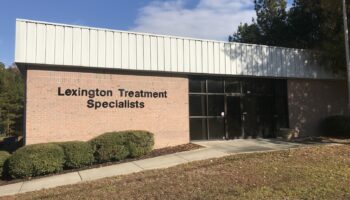
Lexington Treatment Specialists

185 Lott Court West Columbia, SC 29169
Detox Service Setting
Inpatient DetoxOutpatient Detox
Levels Of Care
InpatientOutpatient
Lexington Treatment Specialists

Drug & Alcohol Detox in Augusta, GA

Augusta, located in Richmond County, is one of Georgia’s largest cities and a regional hub for behavioral health services in the Central Savannah River Area (CSRA). Drug and alcohol detox programs in Georgia are licensed at the state level by the Georgia Department of Community Health (DCH), Division of Healthcare Facility Regulation (HFRD), under Chapter 111-8-19 of Georgia’s Administrative Code.

As of January 1, 2026, Georgia House Bill 584 began transitioning certain licensing functions to the Department of Behavioral Health and Developmental Disabilities (DBHDD). However, HFRD continues to process applications during this transition. Narcotic treatment programs that dispense methadone are regulated separately by DBHDD and must meet federal SAMHSA requirements under 42 CFR Part 8. For uninsured and low-income Augusta residents, publicly accessible options exist.

Serenity Behavioral Health Systems is a CARF-accredited provider serving Richmond, Columbia, and surrounding East Georgia counties that offers a 16-bed crisis stabilization unit with medical detox and psychiatric stabilization, a sliding-fee schedule based on family size and income, and outpatient MAT. The VA Augusta Healthcare System Charlie Norwood Medical Center provides long-term residential treatment, outpatient detox, and MAT to eligible veterans.

Augusta University’s Institute of Public and Preventive Health plays an active role in guiding the region’s overdose response. When the Georgia Opioid Crisis Abatement Trust awarded $70.3 million to 128 organizations in December 2024, Augusta University faculty helped direct grant distribution for Region 2 (which includes Augusta, Macon, and Athens) to ensure treatment, harm reduction, and prevention programs were funded across East Georgia counties.

Residents looking for a medically supervised detox program in Augusta should confirm that any facility holds a current Georgia DCH/HFRD or DBHDD license and, where applicable, CARF or Joint Commission accreditation before enrolling.
Find The Perfect Detox Center For You

Filter treatment centers in Augusta by level of care offered to find the best detox program for you or a loved one.

Paying for Detox in Augusta

Understanding detox costs in Augusta is a priority for most people considering treatment. Total expense varies based on the level of care required to meet your needs, whether services are delivered in a hospital, residential, or outpatient setting, and the length of stay.

Insurance can substantially reduce your out-of-pocket expenses, and several public funding options are available in the region. For detailed cost benchmarks that apply broadly to Georgia programs, the guide to how much detox costs is a useful starting point.

How Much Does Detox Cost in Augusta?

Detox programs do not widely publish their fee schedules. The ranges below reflect typical costs across Georgia and apply to most standard detox programs in the Augusta market.

$1,000 to $1,500 (per day)
Medical Detox
$6,000 to $20,000 (per month)
Inpatient Rehab
$1,000 to $3,000 (per month)
Outpatient Rehab
$150 to $700 (per month)
Methadone Treatment

Does Private Insurance Cover Detox in Augusta?

Georgia follows the federal Mental Health Parity and Addiction Equity Act and the Affordable Care Act. These require that substance use disorder benefits in regulated plans be comparable to medical and surgical benefits.

The Georgia Office of Insurance and Safety Fire Commissioner oversees compliance for fully insured commercial plans sold in the state. The most common commercial health insurance providers in the Augusta market include:

Blue Cross Blue Shield
United Health Care
Aetna
Cigna
Humana
Ambetter

Medicare and Medicaid in Augusta

Medicare

Medicare covers medically necessary substance use disorder treatment for adults 65 and older and qualifying individuals with disabilities. Part A covers inpatient hospital detox, with the first 60 days of a hospital stay covered at no per-day cost after the Part A deductible is met. Residential treatment programs are not covered; inpatient coverage requires a hospital-based setting.

Part B covers outpatient SUD services through Medicare-enrolled Opioid Treatment Programs, including methadone, buprenorphine, naltrexone, counseling, and periodic assessments. No copayment applies for OTP services, though the Part B deductible applies. New Season, which operates an OTP in Augusta, may accept Medicare; confirm enrollment status before beginning treatment. People with both Medicare and Medicaid pay nothing out of pocket for OTP services, as Medicaid covers Medicare’s deductibles and copays.

Medicaid

Georgia Medicaid covers medically necessary substance use disorder treatment, including medical detox and MAT, for eligible enrollees. Georgia has not adopted full Medicaid expansion under the ACA.

The Georgia Pathways to Coverage program offers Medicaid access to adults ages 19 to 64 with household incomes up to 100% of the Federal Poverty Level who complete at least 80 hours per month of qualifying activities such as work, education, or job training.

For those who do not qualify for Medicaid, federal SAMHSA block grant funding supports publicly funded SUD treatment programs for uninsured and underinsured Georgia residents. Contact the Georgia Crisis and Access Line at 1-800-715-4225 to be connected with local publicly funded options.

Augusta, Georgia Regulations and Accreditation for Detox

Georgia regulates drug and alcohol detox facilities through two primary state agencies, with federal oversight adding a third layer for programs that prescribe controlled substances.

Georgia Department of Community Health (DCH), Healthcare Facility Regulation (HFRD)

HFRD licenses all drug treatment programs in Georgia under O.C.G.A. § 31-6-21 and Chapter 111-8-19 of Georgia’s Administrative Code. This covers residential detox programs, outpatient ambulatory detox programs, and drug abuse treatment and education programs. HFRD conducts initial site inspections and ongoing monitoring to verify clinical standards for staffing, treatment planning, documentation, and emergency protocols.

As of January 2026, some functions transitioned to DBHDD under HB 584; both agencies currently process applications depending on program type.

Georgia Department of Behavioral Health and Developmental Disabilities (DBHDD)

DBHDD licenses Narcotic Treatment Programs (NTPs), which are clinics authorized to dispense methadone for opioid use disorder. DBHDD also contracts with community providers, including Serenity Behavioral Health Systems and local Community Service Boards, to deliver publicly funded SUD services under its Provider Manual for Community Behavioral Health Providers.

Georgia Department of Public Health (DPH), Drug Surveillance Unit

DPH’s Drug Surveillance Unit monitors statewide overdose trends, issues rapid alerts during contamination clusters, and publishes annual county-level opioid overdose reports. These reports directly inform treatment resource allocation decisions in Augusta and across the CSRA.

Key MAT Medications and Regulatory Status in Augusta

Medication-assisted treatment in Augusta follows federal SAMHSA OTP rules under 42 CFR Part 8 for opioid treatment programs and DEA controlled-substance requirements. Georgia, through DBHDD, aligns state licensing with federal standards and expects counseling to accompany medication.

Buprenorphine: 

This FDA-approved drug is widely available in Augusta through licensed prescribers, outpatient clinics, and telehealth platforms. Since 2023, the federal elimination of the X-waiver requirement has meant that any DEA-registered prescriber can prescribe buprenorphine for opioid use disorder, significantly expanding access compared to prior years.

Methadone: 

This drug is restricted to SAMHSA-certified Opioid Treatment Programs, which must also hold Georgia DBHDD licensure. New Season operates an established OTP in Augusta. Daily clinic visits are required at program initiation. Georgia Medicaid covers methadone treatment for eligible enrollees.

Naltrexone: 

This medication is available without controlled-substance licensing restrictions. The drug is non-addictive and not subject to OTP requirements; naltrexone and its injectable form Vivitrol are used for both opioid and alcohol use disorder. It is available through outpatient providers and community health settings across Augusta and is covered by Georgia Medicaid.

Overdose Prevention and Harm Reduction in Augusta

Augusta’s harm reduction resources have expanded since Georgia legalized syringe service programs in 2020 and as opioid settlement grants have reached the East Georgia region. The resources below focus on overdose prevention, given that fentanyl-contaminated drug supplies continue to drive the majority of overdose deaths across Georgia.

Georgia Harm Reduction Coalition (GHRC) Augusta Outreach

Mobile syringe exchange Naloxone (Narcan) distribution Fentanyl test strips Treatment referrals and linkage to care

GHRC operates mobile outreach workers in Augusta who distribute supplies and connect people with addiction treatment. As documented by Georgia Public Broadcasting in April 2024, GHRC outreach workers exchange syringes, distribute Narcan, and link individuals to care at community locations, including laundromats and motels, where people congregating around active drug use can be reached.

GHRC also ships free naloxone and syringe supplies statewide through its Dan Bigg Distribution Center for Augusta-area residents who cannot access in-person programs.

Georgia Overdose Prevention

Free naloxone kits by mail and in-person distribution Fentanyl test strips Overdose recognition and reversal training 911 Good Samaritan Law education

Georgia Overdose Prevention has an established Augusta presence and regularly distributes Naloxone and fentanyl test strips in neighborhoods across the city.

The volunteer-led organization helped pass Georgia’s 911 Medical Amnesty and Naloxone Access Law in 2014 and educates community members about legal protections for bystanders who call 911 during an overdose.

Free naloxone kits can be requested through their website for high-risk individuals, and kits are mailed statewide.

Georgia DPH Naloxone Standing Order / Pharmacy Access

Naloxone is available without a prescription at all Georgia pharmacies First responder training and naloxone kits through DBHDD 24-hour naloxone access points at select community locations

Since December 2016, a statewide standing order has allowed any Georgia pharmacy to dispense naloxone without a personal prescription. Augusta-area CVS, Walgreens, and independent pharmacies stock naloxone over the counter. Wesley’s Law (Georgia SB 395, effective July 1, 2024) further expanded access by authorizing naloxone possession in all Georgia public schools, government buildings, and courthouses.

Serenity Behavioral Health Systems

Naloxone kits and overdose education at discharge Outpatient MAT (buprenorphine and naltrexone) Peer support and mentoring Housing and employment counseling

Serenity Behavioral Health Systems integrates naloxone education and overdose recognition training directly into its clinical programs. Clients and family members receive Narcan kits and training before discharge as part of a formal recovery support component that also addresses housing stability, peer mentoring, and employment re-entry.

Detox Statistics in Augusta, Georgia

Richmond County and the broader Augusta region reflect Georgia’s statewide pattern, where synthetic opioids continue to drive the majority of overdose-related harms even as annual death totals have recently improved.

Fentanyl Involved in 54% of Georgia Overdose Deaths (2024): 

Fentanyl and other synthetic opioids accounted for 54% of all drug overdose deaths in Georgia in 2024, making them the leading drug type in Georgia overdose fatalities.

Fentanyl Seizures in Richmond County More Than Doubled (2022 to 2023): 

Richmond County Sheriff’s Office Special Operations Division reported that fentanyl seizures in the county more than doubled from 2022 to 2023 and were on track to increase again in 2024, reflecting a growing presence of illicit fentanyl in Augusta’s drug supply.

$70.3 Million in Georgia Opioid Settlement Grants Awarded (December 2024): 

The Georgia Opioid Crisis Abatement Trust awarded $70.3 million to 128 organizations statewide in December 2024. Augusta University faculty guided grant distribution for Region 2 (covering Augusta, Macon, and Athens), ensuring that approximately 14% of total awards reached East Georgia treatment and harm reduction programs.

FAQs About Detox in Augusta, GA

What is the difference between a detox program and a rehab program in Augusta?

Detox is the medically supervised process of clearing substances from the body and managing withdrawal symptoms. Rehab follows detox and addresses the psychological, behavioral, and social factors that drive substance use. In Augusta, some providers like Serenity Behavioral Health Systems offer both levels on the same campus, while others are detox-only programs that coordinate referrals to continuing care.

Will I lose my job if I take time off for detox in Augusta?

The federal Family and Medical Leave Act (FMLA) provides eligible employees with up to 12 weeks of unpaid, job-protected leave for treatment of a serious health condition, including a substance use disorder. The Americans with Disabilities Act (ADA) offers additional workplace protections for people pursuing treatment. Consulting with an HR representative before disclosing the need for treatment is advisable, and developing a solid aftercare plan can help with the return to work.

Can I access detox services in Augusta without insurance?

Yes, Serenity Behavioral Health Systems operates a sliding-fee schedule based on family size and income and does not deny treatment solely on inability to pay. Georgia Medicaid covers detox for eligible residents, and Georgia Pathways to Coverage may provide access for working adults who do not qualify for traditional Medicaid. The Georgia Crisis and Access Line (1-800-715-4225) can connect callers with publicly funded options. Veterans may access services through the VA Augusta Healthcare System, Charlie Norwood Medical Center, regardless of insurance status.

Is medical supervision required for detox at Georgia-licensed facilities?

Under Georgia’s Chapter 111-8-19 rules, licensed residential detox programs must operate 24 hours a day with oversight from a qualified medical director and licensed nursing staff. While medical supervision requirements vary by program type, medically supervised withdrawal is strongly recommended for alcohol, benzodiazepines, and opioids, where unmanaged withdrawal can produce life-threatening complications. Attempting to detox from these substances without clinical monitoring carries serious safety risks.

Does Georgia have a Good Samaritan Law that protects people who call 911 during an overdose?

Yes, Georgia’s 911 Medical Amnesty Law (HB 965, enacted 2014) provides limited immunity from drug possession charges for individuals who call 911 on behalf of someone experiencing an overdose. The law covers small amounts of narcotics or paraphernalia and is designed to remove fear of arrest as a barrier to calling for help. Georgia Overdose Prevention actively distributes educational materials about the law in Augusta. It is important to note that the protections are limited and do not cover all drug offenses.

What should I expect after leaving a detox program in Augusta?

Detox addresses physical withdrawal but is not a complete treatment for substance use disorder on its own. After completing detox, most people benefit from transitioning into residential or outpatient treatment to address the behavioral health aspects of recovery. Augusta has outpatient and intensive outpatient programs available for continued care. Discharge planners at facilities like Serenity Behavioral Health Systems can coordinate referrals. MAT can continue through outpatient providers after inpatient detox ends.

Two people talking
Get Help Today!
If you or a loved one is in need of help, call today. Pick up the phone and get the help you need.
800-483-2193
Confidential. Available 24 Hours
Get Help Today Phone icon 800-779-4314