800-262-4205
Astor Counseling Center

About Astor Counseling Center
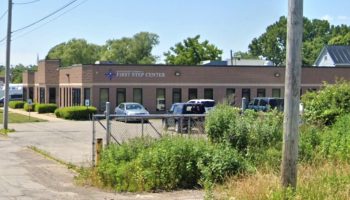
Astor Counseling Center in Kingston, New York, provides treatment for children, adolescents and young adults facing mental health and substance use challenges.
They do not provide medication assisted treatment services. Staff members can refer clients to facilities that offer this service.
Individual, Family and Group Therapy
Clients can participate in individual psychotherapy, family counseling, and group sessions to support their addiction recovery. The staff utilizes treatment approaches such as Cognitive Behavioral Therapy and Dialectical Behavior Therapy.
These approaches help clients learn how to change negative thoughts that influence their addictive behavior. You’ll also learn effective relapse prevention tools.
Group therapy offers you a chance to receive support from others who are also in recovery. Family counseling can help strengthen your support system and heal any emotional damage caused by your addiction.
Accessible Payment Options
Payment can sometimes be a barrier to clients seeking addiction treatment. Astor Counseling Center desires to make treatment accessible and affordable by accepting Medicaid and insurance plans.
Sliding scale fees are also available for uninsured families or those with financial need. No one is turned away due to inability to pay.
| Levels of Care | Detox Service Setting | Programs | Payment Options | |||
|---|---|---|---|---|---|---|
|
Outpatient
|
Dual Diagnosis
|
Partial hospitalization programs provide comprehensive treatment in a structured setting during the day but allow you to return home at night. These programs offer a balance of inpatient and outpatient rehab and provide intensive support without full-time residency. |
Aftercare programs provide ongoing support once you complete a rehab program. They may include several components to help you maintain sobriety, including therapy, community support groups, and relapse-prevention strategies. This gives you a network of resources as you reintegrate into daily life. |
An intervention is a structured and professionally guided conversation with an individual who is struggling with addiction. During the conversation, family and friends encourage the individual to seek treatment. This is often a pivotal step for those who are resistant to getting help. |
||
|
Hospital detoxification allows you to withdraw from drugs or alcohol in a hospital setting. It’s ideal for people with severe withdrawal symptoms or complex medical needs. You’ll receive constant monitoring, emergency care if needed, and FDA-approved prescription medications. |
Outpatient detox gives you access to medically supervised withdrawal services while still allowing you to live at home. You’ll attend a clinic for treatment and monitoring. This flexible option is suitable for those with mild to moderate withdrawal symptoms who have strong support systems. |
|||||
|
Adult programs include job support and life skills training in a structured environment. Services are designed to address the substance use and life challenges specific to adults. Therapy sessions happen in individual, group and family settings.
|
Cognitive behavioral therapy focuses on changing harmful thought patterns and behaviors associated with addiction. You’ll learn healthier coping mechanisms by identifying and replacing negative thoughts. This improves your emotional resilience and decreases your relapse potential.
|
|||||
|
Payment Assistance
|
Medicaid
|
Medicare
|
Military Insurance
|
Private Insurance
|
Self Pay
|
Sliding Scale Payment
|
Levels of Care
Partial hospitalization programs provide comprehensive treatment in a structured setting during the day but allow you to return home at night. These programs offer a balance of inpatient and outpatient rehab and provide intensive support without full-time residency.
Aftercare programs provide ongoing support once you complete a rehab program. They may include several components to help you maintain sobriety, including therapy, community support groups, and relapse-prevention strategies. This gives you a network of resources as you reintegrate into daily life.
An intervention is a structured and professionally guided conversation with an individual who is struggling with addiction. During the conversation, family and friends encourage the individual to seek treatment. This is often a pivotal step for those who are resistant to getting help.
Detox Service Setting
Hospital detoxification allows you to withdraw from drugs or alcohol in a hospital setting. It’s ideal for people with severe withdrawal symptoms or complex medical needs. You’ll receive constant monitoring, emergency care if needed, and FDA-approved prescription medications.
Outpatient detox gives you access to medically supervised withdrawal services while still allowing you to live at home. You’ll attend a clinic for treatment and monitoring. This flexible option is suitable for those with mild to moderate withdrawal symptoms who have strong support systems.
Programs
Amenities
Accreditations

Contact


- Monday 9AM - 8PM
- Tuesday 9AM - 8PM
- Wednesday 9AM - 8PM
- Thursday 9AM - 8PM
- Friday 9AM - 5PM

Eric has a passion for content creation, whether it’s writing articles or making YouTube videos. He appreciates the power of storytelling to inform an audience about the information they need to know. In addition to writing, he also spends his time traveling and discovering new restaurants.
Detox.com regularly reviews this listing for accuracy but changes may occur between updates. For the most up-to-date information, please contact Astor Counseling Center.