

 800-262-4205
Finger Lakes Community Residence

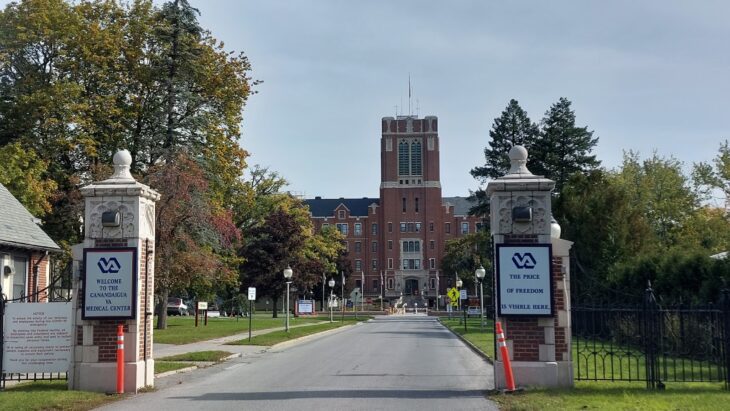


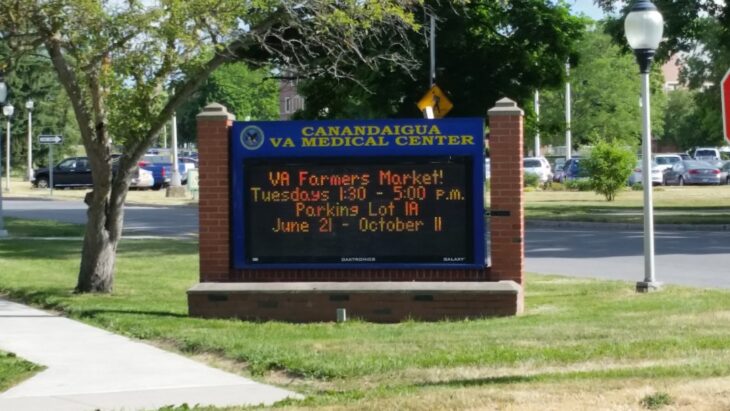



About Finger Lakes Community Residence
The Canandaigua VA Medical Center in New York can help you overcome all forms of substance use addiction from occasional binge drinking to a life-threatening chemical dependency. A referral is required at this location for in-person, and virtual visits are by appointment only. However, same-day help may be available in urgent cases.
Tailored, Veteran-Focused Treatment Plans
You don’t need to be clean to enter substance use treatment. If your chemical dependency is severe, you’ll likely be referred to an inpatient detox facility where you’ll be weaned off substances in a safe and comfortable way. Round-the-clock medical supervision and support help keep withdrawal symptoms and cravings at bay, so you don’t need to fear getting sick.
Medication assisted treatment (MAT) is also available on an outpatient basis, which will continue to help you manage cravings and withdrawal symptoms to prevent you from relapsing. I’m pleased to see that VA Health offers management medications for opioid, alcohol, and tobacco use disorders.
I appreciate that substance use services are tailored to the unique needs of veterans. For example, trauma-informed approaches are used in individual therapy and group counseling to help veterans affected with PTSD from active duty, which often contributes to substance use issues.
| Levels of Care | Detox Service Setting | Programs | Payment Options | |||||||
|---|---|---|---|---|---|---|---|---|---|---|
|
Inpatient
|
Partial hospitalization programs provide comprehensive treatment in a structured setting during the day but allow you to return home at night. These programs offer a balance of inpatient and outpatient rehab and provide intensive support without full-time residency. |
Outpatient
|
Aftercare programs provide ongoing support once you complete a rehab program. They may include several components to help you maintain sobriety, including therapy, community support groups, and relapse-prevention strategies. This gives you a network of resources as you reintegrate into daily life. |
Dual Diagnosis
|
Sober Living
|
|||||
|
Inpatient detox occurs in a dedicated treatment facility. You’ll live there around the clock and receive intensive medical support and supervision to help manage your withdrawal symptoms. It is suitable for individuals with moderate to severe addictions as it ensures a stable detox environment. |
Outpatient detox gives you access to medically supervised withdrawal services while still allowing you to live at home. You’ll attend a clinic for treatment and monitoring. This flexible option is suitable for those with mild to moderate withdrawal symptoms who have strong support systems. |
Medication-assisted treatment combines medication and counseling to manage withdrawal and reduce cravings for opioid and alcohol addiction. Medications may include methadone, buprenorphine, or naltrexone. MAT is tailored to your needs so you can actively participate in your treatment journey. |
||||||||
|
Adult programs include job support and life skills training in a structured environment. Services are designed to address the substance use and life challenges specific to adults. Therapy sessions happen in individual, group and family settings.
|
Alcohol detox programs offer medical support to help individuals withdraw safely from alcohol. Your care team may use medications to ease your symptoms, and they may provide medical monitoring to address complications.
|
Cognitive behavioral therapy focuses on changing harmful thought patterns and behaviors associated with addiction. You’ll learn healthier coping mechanisms by identifying and replacing negative thoughts. This improves your emotional resilience and decreases your relapse potential.
|
Exercise therapy incorporates physical activity into treatment to promote mental and physical health. Regular exercise reduces stress, boosts mood, and enhances your overall wellbeing. This can give you a positive outlook and lower your relapse risk.
|
LGBTQ-friendly programs create an inclusive and affirming space for recovery. Treatment is sensitive to issues like discrimination and stigma. You’ll receive support and therapy that respects and acknowledges your unique experiences.
|
Men's programs address substance use while also considering the social pressures, family roles, and mental health concerns specific to men. Participants learn healthy coping mechanisms, build emotional resilience, and develop communication skills.
|
Military / Veterans
|
Opioid detox uses medications to ease severe withdrawal symptoms. It includes medical supervision to help you manage potential complications. These services allow you to stabilize safely and begin a recovery plan.
|
Senior programs include peer support and medical oversight for age-related health concerns. Services address the unique needs of older adults like chronic pain, grief, and isolation. The goal is to improve quality of life while aging.
|
Women's programs offer a safe and supportive space to focus on gender-specific issues such as trauma, family roles, and mental health conditions. Therapists tailor the sessions to address women's needs and foster empowerment in a healing and nurturing environment.
|
Young adult programs are designed for individuals who are transitioning into adulthood. Topics of discussion typically include identity, independence, and peer relationships. Providers may also offer life-skills training and career support.
|
|
Payment Assistance
|
Military Insurance
|
Private Insurance
|
Self Pay
|
Medicaid
|
Medicare
|
Sliding Scale Payment
|
Levels of Care
Partial hospitalization programs provide comprehensive treatment in a structured setting during the day but allow you to return home at night. These programs offer a balance of inpatient and outpatient rehab and provide intensive support without full-time residency.
Aftercare programs provide ongoing support once you complete a rehab program. They may include several components to help you maintain sobriety, including therapy, community support groups, and relapse-prevention strategies. This gives you a network of resources as you reintegrate into daily life.
Detox Service Setting
Inpatient detox occurs in a dedicated treatment facility. You’ll live there around the clock and receive intensive medical support and supervision to help manage your withdrawal symptoms. It is suitable for individuals with moderate to severe addictions as it ensures a stable detox environment.
Outpatient detox gives you access to medically supervised withdrawal services while still allowing you to live at home. You’ll attend a clinic for treatment and monitoring. This flexible option is suitable for those with mild to moderate withdrawal symptoms who have strong support systems.
Medication-assisted treatment combines medication and counseling to manage withdrawal and reduce cravings for opioid and alcohol addiction. Medications may include methadone, buprenorphine, or naltrexone. MAT is tailored to your needs so you can actively participate in your treatment journey.
Programs
Amenities
Accreditations


Accepted Insurance

Contact


- Monday 8AM - 4:30PM
- Tuesday 8AM - 4:30PM
- Wednesday 8AM - 4:30PM
- Thursday 8AM - 4:30PM
- Friday 8AM - 4:30PM

Having struggled with her mental health, Gemma has spent much of her writing career focused on topics surrounding behavioral health and stigmatized health issues, such as eating disorders, depression, obesity, and sexually transmitted diseases. She has a background in biology and research science that helps her understand chemical dependency as a disease. By writing about drug rehabilitation in an accessible and compassionate way, she hopes more people will feel encouraged to seek help.

Peter W.Y. Lee is a historian with a focus in American Cold War culture. He has examined how popular culture has served as a coping mechanism for the challenges and changes impacting American society throughout the twentieth century.
Detox.com regularly reviews this listing for accuracy but changes may occur between updates. For the most up-to-date information, please contact Finger Lakes Community Residence.
Nearby Detox Centers

Search by New York Cities
FAQs
Does Finger Lakes Community Residence provide medical detoxification for alcohol or drugs?
Finger Lakes Community Residence in Canandaigua, NY offers detoxification services as part of its residential programming. The facility provides a structured environment for individuals withdrawing from alcohol and substances. Prospective residents should contact the center directly to discuss the specific clinical protocols and medical oversight available during detox.
What is the admission process for detox at Finger Lakes Community Residence?
Admission to Finger Lakes Community Residence begins with an initial assessment to determine individual needs and program fit. The facility evaluates each person’s medical history, substance use, and any co-occurring conditions during intake. Once accepted, residents are admitted to the residential program at the Canandaigua location to begin detoxification and recovery support.
How long does detox typically last at Finger Lakes Community Residence?
The length of detoxification at Finger Lakes Community Residence depends on individual factors including the substance used, medical needs, and overall health status. The facility provides residential-level care designed to support the full withdrawal process. The medical team works with each resident to establish a personalized timeline during the intake and assessment phase.
Does Finger Lakes Community Residence accept insurance for detox services?
Finger Lakes Community Residence accepts insurance for its detoxification and residential programs. The facility works with individuals and their families to verify coverage and understand payment options. Prospective residents are encouraged to contact the center to discuss their specific insurance plan and any out-of-pocket costs related to detox services.
What substances does Finger Lakes Community Residence provide detox treatment for?
Finger Lakes Community Residence provides detoxification services for individuals withdrawing from alcohol and other drugs as part of its residential program. The facility’s medical team assesses each person’s substance use history and withdrawal needs during intake. Specific medications and clinical protocols used during detox are determined based on each resident’s individual medical evaluation.