800-262-4205
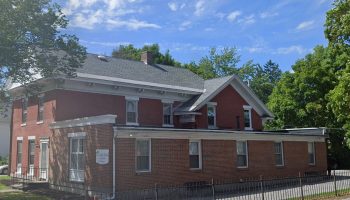
Flatbush Addiction Treatment Center

About Flatbush Addiction Treatment Center
Flatbush Addiction Treatment Center, operated by Catholic Charities Brooklyn and Queens is a community-based outpatient program in Brooklyn, New York serving individuals and families affected by substance use disorders.
The center provides counseling for alcohol and drug abuse, dual-diagnosis concerns and driving-while-intoxicated services.
Rooted in a mission to support recovery regardless of ability to pay the program pairs clinical care with practical, real-life supports that help people rebuild.
Outpatient Substance Use Treatment
The center offers outpatient treatment for adult men and women navigating alcohol and drug dependence, with counseling at its core.
As part of Catholic Charities’ broader behavioral health network it also connects clients to medication-assisted treatment options through its opioid recovery program.
Sessions include relapse-prevention groups, anger management, alcohol and drug education, art therapy and on-site 12-step meetings.
Care is trauma-informed and addresses both substance use and co-occurring mental health needs with continuing care and toxicology monitoring supporting lasting recovery.
Whole-Person Recovery Supports
Beyond targeted counseling the program weaves in practical supports like employment services, parenting-skills guidance and health education.
Its integration within a wider nonprofit system also offers care coordination, case management, family involvement and specialized veteran and military-family support.
| Levels of Care | Detox Service Setting | Programs | Payment Options | |||||
|---|---|---|---|---|---|---|---|---|
|
Outpatient
|
Dual Diagnosis
|
|||||||
|
Outpatient detox gives you access to medically supervised withdrawal services while still allowing you to live at home. You’ll attend a clinic for treatment and monitoring. This flexible option is suitable for those with mild to moderate withdrawal symptoms who have strong support systems. |
||||||||
|
Adult programs include job support and life skills training in a structured environment. Services are designed to address the substance use and life challenges specific to adults. Therapy sessions happen in individual, group and family settings.
|
Alcohol detox programs offer medical support to help individuals withdraw safely from alcohol. Your care team may use medications to ease your symptoms, and they may provide medical monitoring to address complications.
|
LGBTQ-friendly programs create an inclusive and affirming space for recovery. Treatment is sensitive to issues like discrimination and stigma. You’ll receive support and therapy that respects and acknowledges your unique experiences.
|
Men's programs address substance use while also considering the social pressures, family roles, and mental health concerns specific to men. Participants learn healthy coping mechanisms, build emotional resilience, and develop communication skills.
|
Military / Veterans
|
Opioid detox uses medications to ease severe withdrawal symptoms. It includes medical supervision to help you manage potential complications. These services allow you to stabilize safely and begin a recovery plan.
|
Senior programs include peer support and medical oversight for age-related health concerns. Services address the unique needs of older adults like chronic pain, grief, and isolation. The goal is to improve quality of life while aging.
|
Women's programs offer a safe and supportive space to focus on gender-specific issues such as trauma, family roles, and mental health conditions. Therapists tailor the sessions to address women's needs and foster empowerment in a healing and nurturing environment.
|
Young adult programs are designed for individuals who are transitioning into adulthood. Topics of discussion typically include identity, independence, and peer relationships. Providers may also offer life-skills training and career support.
|
|
Payment Assistance
|
Medicaid
|
Military Insurance
|
Private Insurance
|
Self Pay
|
Levels of Care
Detox Service Setting
Outpatient detox gives you access to medically supervised withdrawal services while still allowing you to live at home. You’ll attend a clinic for treatment and monitoring. This flexible option is suitable for those with mild to moderate withdrawal symptoms who have strong support systems.
Programs
Contact



Patti Croft has content writing experience in several areas, including health and fitness, cybersecurity, and animal care. She is passionate about mental health and addiction treatment and strives to share information that is enjoyable and accessible. She loves reading, consuming too much coffee, and spending time with her friends and pets.
Detox.com regularly reviews this listing for accuracy but changes may occur between updates. For the most up-to-date information, please contact Flatbush Addiction Treatment Center.