

 800-262-4205
Center for Addiction Treatment (CAT)

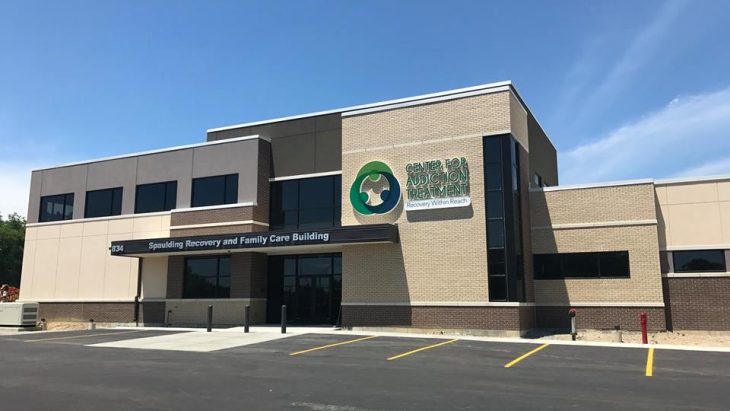
About Center for Addiction Treatment (CAT)
Medical detox is available at Center for Addiction Treatment, a detox center in Cincinnati, Ohio. They admit adults, and the detox treats alcohol and drug addiction. Walk-in hours cover services other than detox.
Inpatient Detox in Cincinnati
It’s inpatient detox in Cincinnati, with a physician on the medical staff and nursing available around the clock. You stay on site while withdrawal symptoms are checked through the night, so a change doesn’t wait until the next day. Center for Addiction Treatment also offers short-term residential treatment, with 12-step meetings, therapy and education sessions.
The stay is short-term. People in early recovery who also have mental health needs can join an outpatient group. They offer buprenorphine, a medication for opioid use disorder, as Suboxone and long-acting Sublocade, plus naltrexone, also called Vivitrol.
An education group is open to relatives and to others close to someone with a substance use disorder.
They take Medicaid, and Hamilton County funding is available if you meet the income guidelines.
| Levels of Care | Detox Service Setting | Programs | Payment Options | Medications Offered |
|---|---|---|---|---|
|
After detox, the short-term residential program at CAT gives patients individual attention and education so they can focus on recovery. |
Outpatient counseling gives clients time with a licensed counselor to connect and build on goals, on a schedule that fits their needs. |
Partial hospitalization programs provide comprehensive treatment in a structured setting during the day but allow you to return home at night. These programs offer a balance of inpatient and outpatient rehab and provide intensive support without full time residency. |
An intervention is a structured and professionally guided conversation with an individual who is struggling with addiction. During the conversation, family and friends will encourage you to seek treatment. This is often a pivotal step for those resistant to getting help. |
|
|
Patients enrolled in detox at CAT get 24-hour detoxification care, often the first step for many people on a recovery path. |
Outpatient detox gives you access to medically supervised withdrawal services while still allowing you to live at home. You’ll attend a clinic for treatment and monitoring. This flexible option is suitable for those with mild to moderate withdrawal symptoms who have strong support systems. |
The MAT program at CAT includes Vivitrol, Naltrexone and Suboxone, giving patients multiple medication options to discuss with the team. |
||
|
Adults are the people CAT serves, and it has worked with chemically dependent adults since June 1970. |
Young adult programs are designed for individuals who are transitioning into adulthood. Topics of discussion typically include identity, independence and peer relationships. Providers may also offer life skills training and career support.
|
Women's programs offer a safe and supportive space to focus on gender specific issues such as trauma, family roles and mental health conditions. Therapists tailor the sessions to address women's needs and foster empowerment in a healing and nurturing environment.
|
Fatherhood Services enrolls men in parental or guardianship roles, whether they’re new or existing patients. |
|
|
Medicaid
|
Self Pay
|
Private Insurance
|
||
|
Methadone
|
Suboxone
|
Levels of Care
After detox, the short-term residential program at CAT gives patients individual attention and education so they can focus on recovery.
Outpatient counseling gives clients time with a licensed counselor to connect and build on goals, on a schedule that fits their needs.
Partial hospitalization programs provide comprehensive treatment in a structured setting during the day but allow you to return home at night. These programs offer a balance of inpatient and outpatient rehab and provide intensive support without full time residency.
An intervention is a structured and professionally guided conversation with an individual who is struggling with addiction. During the conversation, family and friends will encourage you to seek treatment. This is often a pivotal step for those resistant to getting help.
Detox Service Setting
Patients enrolled in detox at CAT get 24-hour detoxification care, often the first step for many people on a recovery path.
Outpatient detox gives you access to medically supervised withdrawal services while still allowing you to live at home. You’ll attend a clinic for treatment and monitoring. This flexible option is suitable for those with mild to moderate withdrawal symptoms who have strong support systems.
The MAT program at CAT includes Vivitrol, Naltrexone and Suboxone, giving patients multiple medication options to discuss with the team.
Programs
Adults are the people CAT serves, and it has worked with chemically dependent adults since June 1970.
Fatherhood Services enrolls men in parental or guardianship roles, whether they’re new or existing patients.
Medications Offered
Amenities
Accreditations


Contact


- Monday Open 24 hours
- Tuesday Open 24 hours
- Wednesday Open 24 hours
- Thursday Open 24 hours
- Friday Open 24 hours
- Saturday Open 24 hours
- Sunday Open 24 hours
Detox.com regularly reviews this listing for accuracy but changes may occur between updates. For the most up-to-date information, please contact Center for Addiction Treatment (CAT).
Nearby Detox Centers



Search by Ohio Cities
FAQs
What medications does the Center for Addiction Treatment use?
Suboxone, Vivitrol, Naltrexone and Sublocade long-acting buprenorphine. Each is paired with counseling so people dependent on drugs or opioids can manage the disease of addiction.
How does treatment at CAT usually start?
Often with detox: 24-hour care, frequently the first step on a patient’s recovery path. From there the short-term residential program gives individual attention and education after detox. Outpatient counseling runs on a schedule that fits the client.
Does CAT accept Medicaid for treatment?
Yes. CAT accepts Medicaid, and Hamilton County funding based on income guidelines is another route. Ask the Access team for the details on county funding.
Can you walk in for an assessment at CAT?
Yes. Walk-in assessment hours now cover all non-detox services. Everything sits in one centrally located facility, so addiction, mental health and family services are under a single roof.