

 614-450-0932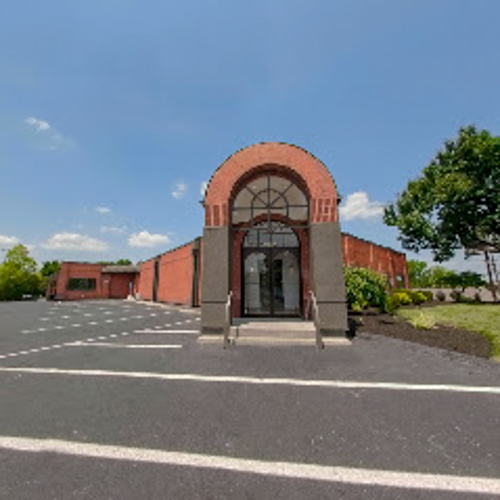
BrightView
Cincinnati, OH
45239
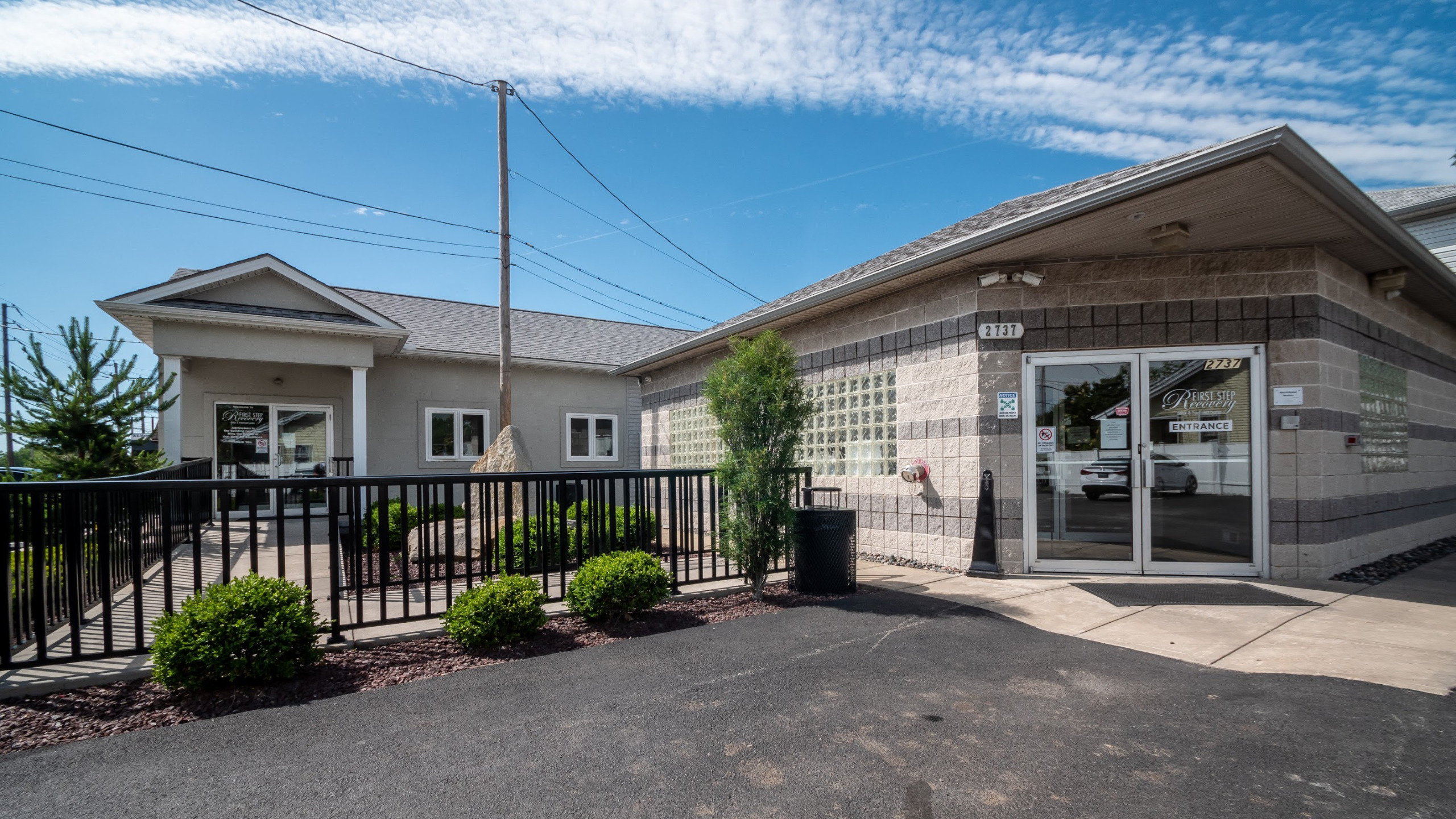
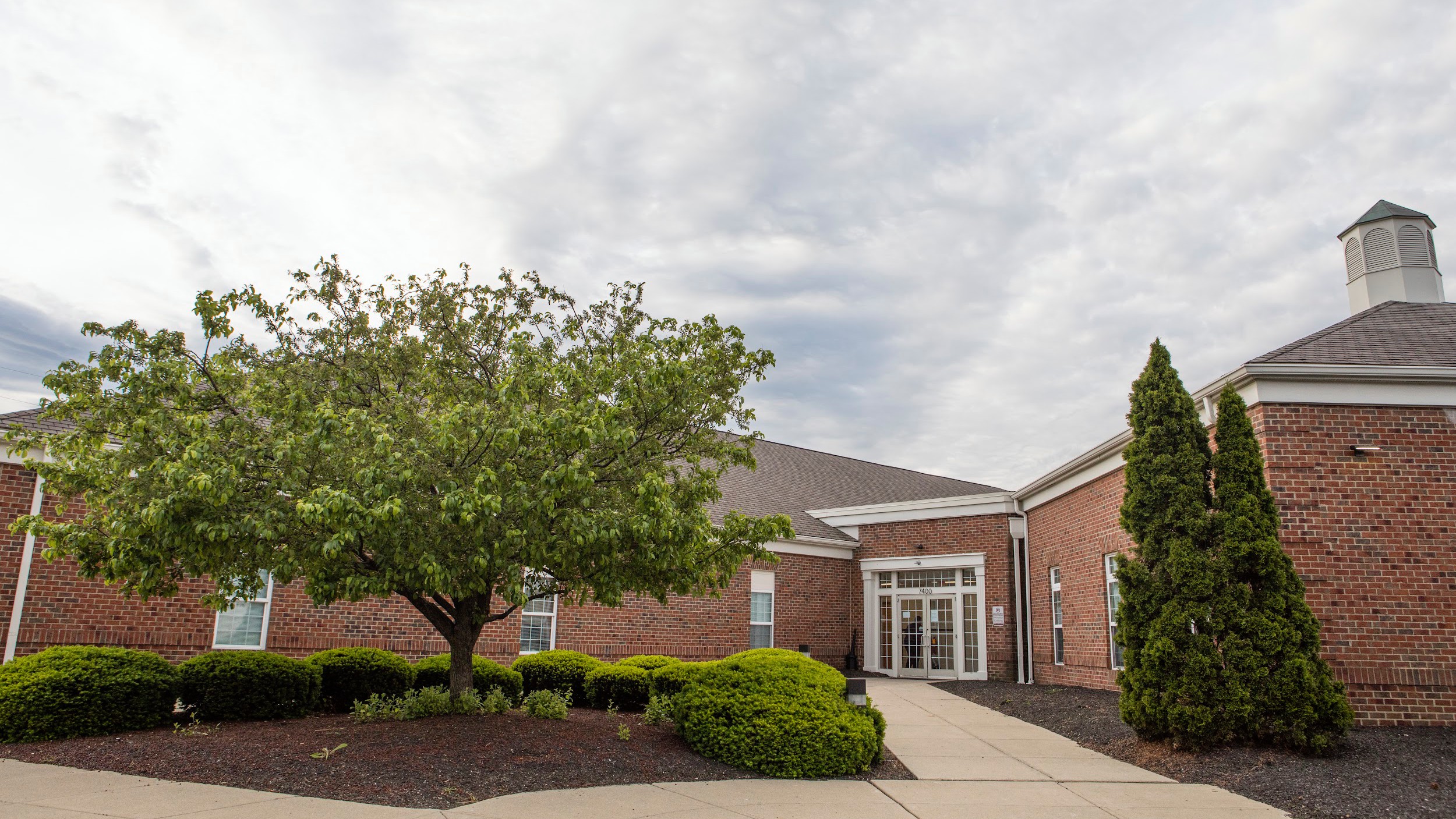
| Name | Address | Detox Service Setting | Levels Of Care | Media |
|---|---|---|---|---|
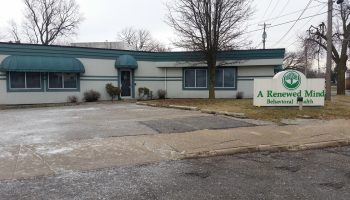
A Renewed Mind Tremainsville |
1776 Tremainsville Road Toledo, OH 43613 |
Detox Service Setting
Outpatient Detox
|
Levels Of Care
OutpatientAftercareDual Diagnosis
|
|
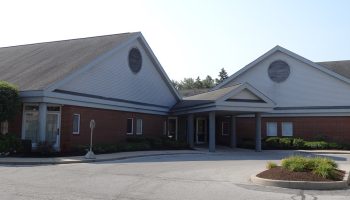
Harbor Woodley Road |
3909 Woodley Road Toledo, OH 43606 |
Detox Service Setting
Outpatient DetoxMAT
|
Levels Of Care
PHPOutpatientAftercare+2
|
|
Ohio Treatment Center |
4747 Monroe St Toledo, OH 43623 |
Detox Service Setting
Inpatient DetoxOutpatient Detox
|
Levels Of Care
InpatientOutpatient
|

|
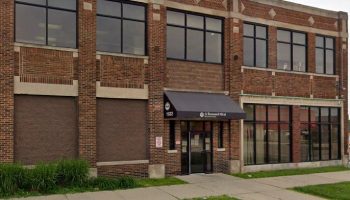
OhioGuidestone Toledo |
1832 Adams Street Toledo, OH 43604 |
Detox Service Setting
Inpatient DetoxOutpatient DetoxMAT
|
Levels Of Care
InpatientOutpatient
|
|
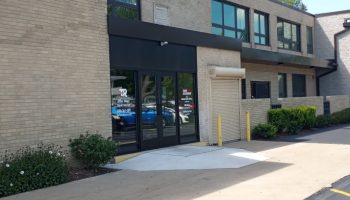
Team Recovery Toledo |
4352 W Sylvania Ave Toledo, OH 43623 |
Detox Service Setting
Inpatient DetoxOutpatient DetoxMAT
|
Levels Of Care
InpatientOutpatientPHP+2
|
|
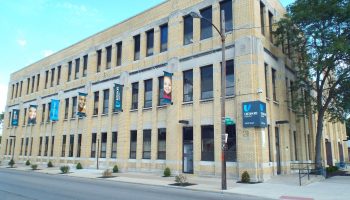
Unison Health |
1425 Starr Avenue Toledo, OH 43605 |
Detox Service Setting
Outpatient DetoxMAT
|
Levels Of Care
OutpatientAftercareDual Diagnosis+1
|
|
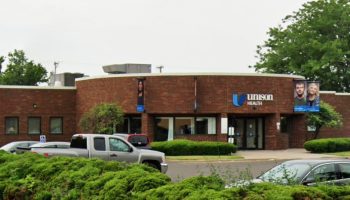
Unison Health Woodruff Avenue |
544 East Woodruff Avenue Toledo, OH 43604 |
Detox Service Setting
Outpatient Detox
|
Levels Of Care
OutpatientAftercareDual Diagnosis
|
|
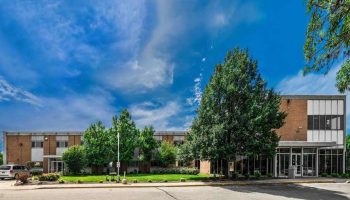
Zepf Center Ashland |
2005 Ashland Avenue Toledo, OH 43620 |
Detox Service Setting
Inpatient DetoxOutpatient Detox
|
Levels Of Care
InpatientOutpatientAftercare+2
|
|
Zepf Center Corporate |
6605 Central Avenue Toledo, OH 43617 |
Detox Service Setting
Inpatient DetoxMATOutpatient Detox
|
Levels Of Care
OutpatientDual Diagnosis
|

|
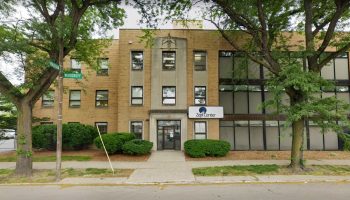
Zepf Center Woodruff |
424 West Woodruff Avenue Toledo, OH 43604 |
Detox Service Setting
Outpatient DetoxMAT
|
Levels Of Care
OutpatientAftercareDual Diagnosis+1
|
|
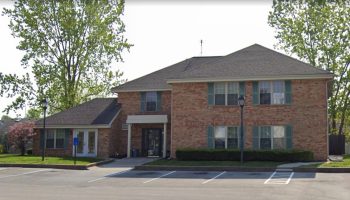
Zepf Center – Maumee House |
1028 Linden Lane Toledo, OH 43615 |
Detox Service Setting
Inpatient DetoxMAT
|
Levels Of Care
InpatientAftercareDual Diagnosis+3
|
|
Midwest Recovery Center |
7540 New West Road Toledo, OH 43617 |
Detox Service Setting
Inpatient DetoxOutpatient DetoxMAT
|
Levels Of Care
InpatientOutpatientDual Diagnosis+3
|
|
T. Whitehead Recovery Center |
2044 Genesee St Toledo, OH 43605 |
Detox Service Setting
Inpatient DetoxOutpatient Detox
|
Levels Of Care
InpatientOutpatient
|
|
TASC of Northwest Ohio |
3330 Glendale Avenue Toledo, OH 43614 |
Detox Service Setting
Inpatient DetoxOutpatient Detox
|
Levels Of Care
InpatientOutpatient
|
|
Unison Health Cherry Street |
1212 Cherry Street Toledo, OH 43608 |
Detox Service Setting
Outpatient Detox
|
Levels Of Care
OutpatientAftercareDual Diagnosis
|
|
Zepf Center Recovery Housing |
2465 Collingwood Boulevard Toledo, OH 43620 |
Detox Service Setting
|
Levels Of Care
|
Toledo’s proximity to the Lake Erie shoreline and the Ohio-Michigan border has historically made it a major corridor for drug trafficking, which has contributed to the city’s elevated overdose rates for over a decade.
Fentanyl remains the driving force behind most overdose deaths in Lucas County. However, public health officials have noted a meaningful decline in fatalities over the past few years, from a peak of 344 deaths in 2020 to 223 in 2024. That progress is attributed in part to expanded naloxone distribution and a growth in treatment capacity across the region.
At the county level, the Mental Health and Recovery Services Board of Lucas County (MHRSB) funds and oversees a network of community treatment providers and coordinates the Toledo Lucas County Opiate Coalition, the region’s primary body for tracking and responding to the opioid crisis.
One initiative unique to this region is the Lucas County Drug Abuse Response Team (DART), a unit of the Lucas County Sheriff’s Department that connects people seeking help with affordable treatment options throughout the community.
The University of Toledo Medical Center also operates an inpatient behavioral health unit with detox services, giving Toledo residents access to hospital-level care when medically complex withdrawal requires that level of supervision.
For anyone uncertain about how to choose a detox center, DART and the MHRSB’s information lines are good starting points.
Detox in Toledo is funded through a mix of private insurance, Ohio Medicaid and publicly subsidized programs, giving residents across income levels a realistic path to care. Understanding the payment system before you call a facility can save significant time during an already stressful process.
Costs for detox in Toledo follow an Ohio-wide pattern, with significant variation based on the level of care, length of stay and whether the facility is publicly or privately funded.
For example, people using Ohio Medicaid or sliding-scale programs often pay little to nothing out of pocket. Whereas those paying privately or with commercial insurance should expect a wide variation depending on network status and plan type. Therefore, knowing your detox cost options in advance can help you ask the right questions during admissions.
Medicare covers medically supervised detox, inpatient withdrawal management and outpatient services in Toledo. Part B covers opioid treatment program services, including methadone and buprenorphine. Copays and deductibles vary based on whether the setting is inpatient or outpatient and which Medicare plan you carry.
Ohio Medicaid covers the full range of SUD treatment services, including medical detox, residential care, outpatient programs and medication-assisted treatment. There are no copays for inpatient detox for most Medicaid members.
To qualify as a single adult, your income must generally be at or below 138% of the federal poverty level, which is approximately $20,783 per year as of 2024.
Cost should not be the reason someone delays care in Toledo. Several local programs offer treatment at reduced or no cost:

Zepf Center, a CARF-accredited nonprofit in Toledo, offers substance use treatment on a sliding-scale basis for adults who cannot afford full private-pay rates, and accepts Medicaid, Medicare and federal funding.
Harbor Behavioral Health, a nonprofit with four Toledo locations, provides mental health and substance use treatment services for people across the income spectrum, including those without insurance.
The Mental Health and Recovery Services Board of Lucas County allocates state and federal funds to community providers, creating access to publicly subsidized detox and outpatient care for uninsured Lucas County residents.
Veterans in Toledo can access SUD treatment through the Louis Stokes Cleveland VA Medical Center system and affiliated outpatient sites. VA programs cover medically managed detox and MAT for eligible veterans at no out-of-pocket cost.
Rescue Inc., located on Collingwood Boulevard in Toledo, offers short-term residential detox services and accepts SAMHSA-funded and state-funded placements for people without the means to pay.
A mix of key regulatory and oversight bodies governs detox and withdrawal management services in Toledo and Lucas County, including:
Ohio Department of Mental Health and Addiction Services (OhioMHAS)
OhioMHAS is the primary state licensing and certification authority for all substance use disorder treatment facilities in Ohio, including medically managed withdrawal programs. It sets clinical standards, issues facility licenses, conducts compliance monitoring and administers state and federal grant funding for SUD services across all 88 counties.
Mental Health and Recovery Services Board of Lucas County (MHRSB)
The MHRSB is the county-level ADAMH board that plans, funds, and monitors behavioral health services in Lucas County, including substance use disorder treatment and recovery support. It operates under authority granted by Ohio Revised Code Chapter 340 and partners with OhioMHAS to allocate funding to contracted providers throughout Toledo.
Toledo Lucas County Opiate Coalition
Convened by the Toledo-Lucas County Health Department, the Opiate Coalition coordinates the community response to overdose and substance use disorder across county agencies, healthcare systems, law enforcement and recovery organizations. While not a licensing body, it plays a key role in shaping local treatment priorities and tracking local overdose data.
Toledo-Lucas County Health Department
The local public health authority for Toledo, the Health Department, tracks overdose fatalities in partnership with the Lucas County Coroner’s Office, coordinates naloxone distribution and runs the Northwest Ohio Syringe Services (NOSS) program. It also provides epidemiological data that directly informs funding priorities for local treatment providers.
Medication-assisted treatment in Toledo is governed at both the federal and state levels. Federal SAMHSA regulations under 42 CFR Part 8 apply to opioid treatment programs, and OhioMHAS licenses and monitors Ohio’s MAT providers.
Ohio has expanded MAT access in recent years, and providers serving Lucas County include certified opioid treatment programs as well as office-based buprenorphine practices.
Available through office-based practices, community health centers, and telehealth providers in Toledo. Zepf Center is one example of a Toledo provider offering buprenorphine induction and maintenance as part of integrated SUD treatment. Ohio Medicaid covers buprenorphine with minimal or no copay.
Available only through federally certified opioid treatment programs. In the Toledo area, certified OTPs provide daily supervised dosing, with take-home doses available after patients meet federal stability criteria. Ohio Medicaid covers methadone treatment.
Available through standard prescribers without OTP certification. The injectable form (Vivitrol) is widely used in Toledo for both opioid use disorder and alcohol use disorder, and is covered by Ohio Medicaid and most commercial insurance plans.
Toledo has a well-developed harm reduction network that has grown substantially since the start of the opioid crisis. Fentanyl’s presence in the local drug supply, which has been detected in roughly 90% of opioid-related deaths in Lucas County in recent years, makes overdose prevention tools critical to survival.
In response, community organizations, public health agencies and law enforcement have worked together to distribute naloxone at scale and provide syringe services that connect people to care.
If you are researching fentanyl detox options alongside harm reduction resources, the services below are a good starting point.
Northwest Ohio Syringe Services (NOSS)
NOSS is operated by the Toledo-Lucas County Health Department and runs multiple weekly sites across Toledo. All services are free and anonymous.
In addition to harm reduction supplies, NOSS staff actively connect participants to substance use treatment and recovery resources.
Lucas County Drug Abuse Response Team (DART)
DART is a unit of the Lucas County Sheriff’s Department that responds to overdoses and reaches out to people who have expressed interest in treatment.
The program has expanded since its 2014 founding to include peer coaching and a family support group, and serves as a bridge between crisis response and clinical care.
Toledo-Lucas County Health Department Naloxone Program
The Health Department distributed more than 15,000 naloxone kits in Toledo in 2023 alone. Kits are available at multiple community sites and through pharmacy partnerships.
As well, the department offers training so individuals, families and community members can respond to an overdose effectively.
Harm Reduction Ohio operates a statewide network that connects people in Lucas County and across Ohio to local and mail-order harm reduction supplies.
For Toledo residents who cannot reach NOSS in person, Harm Reduction Ohio’s mail delivery program provides naloxone and other materials directly.
Lucas County has made measurable progress on overdose deaths in recent years, though public health officials caution that the crisis is far from over.
The following data points capture the current state of substance use and overdose in Toledo and the surrounding region.
Lucas County recorded 223 total overdose deaths in 2024, down from a pandemic-era peak of 344 in 2020, representing a 35% reduction over four years. WTOL 11 Investigations, November 2025
In 2023, fentanyl was responsible for approximately 96% of fatal opioid-related overdoses in Lucas County, according to the Toledo-Lucas County Health Department. Toledo-Lucas County Health Department, Overdose Prevention
The Toledo-Lucas County Health Department distributed more than 15,000 naloxone kits in 2023, a dramatic increase from approximately 2,000 kits distributed annually when the overdose prevention program launched. WTOL 11, September 2024
Yes. The Lucas County Drug Abuse Response Team (DART) connects people who are ready for treatment with affordable, available programs in Toledo and the surrounding area.
DART is run by the Lucas County Sheriff’s Department and can be reached at its non-emergency line: 419-213-6582. The team works with both individuals seeking help and families looking to support a loved one.
Detox is the first step, not a complete treatment. After completing medically supervised withdrawal, most people benefit from aftercare and continuing care programs such as residential treatment, intensive outpatient programs or ongoing MAT.
Toledo has several providers offering step-down care, including Zepf Center and Team Recovery, which provide IOP and outpatient services after the acute detox phase.
Yes. The Toledo-Lucas County Health Department distributes naloxone free of charge at multiple community locations and through the NOSS harm reduction program. Most Ohio pharmacies also dispense naloxone without a prescription and many plans, including Ohio Medicaid, cover it at no cost.
The Health Department also offers free overdose response training alongside kit distribution.
Yes. Several Toledo providers treat co-occurring substance use and mental health disorders together.
Zepf Center is a Certified Community Behavioral Health Clinic that integrates psychiatric care, medication management and SUD treatment. Additionally, Unison Health and Harbor Behavioral Health offer dual diagnosis treatment for adults struggling with conditions like depression, anxiety or trauma alongside addiction.
Ohio does not currently have a blanket ban on prior authorization for the initial hours of addiction treatment.
However, OhioMHAS has worked to reduce administrative barriers, and Ohio Medicaid generally does not require prior authorization for medically necessary detox services.
If a private insurer delays care, patients and providers can request expedited reviews under federal mental health parity protections.
Yes. Ohio prioritizes access to treatment for pregnant women, and providers, including Zepf Center, note that expecting mothers are often given priority admission for buprenorphine-assisted treatment, which is considered safe during pregnancy.
Ohio Medicaid covers MAT and medically managed detox for pregnant enrollees with no copay, and patients typically receive streamlined access to prenatal care coordination through treatment providers.


Cary has more than three decades of nursing expertise as an LPN and holds a bachelor’s degree in Liberal Arts. She is also working toward a Master’s degree focused on public health policy. Her professional journey has been dedicated to addressing healthcare disparities for both adults and children.