614-450-0932


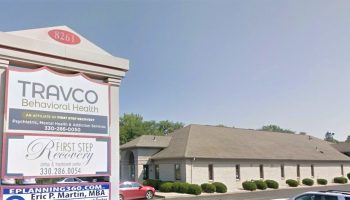
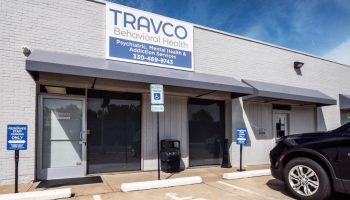
Youngstown sits at the center of one of Ohio’s most acutely affected regions for drug and alcohol overdose.
Mahoning County saw overdose deaths peak at 161 in 2021 before a steady decline brought preliminary 2025 figures to 64 deaths. That progress is real, but the county’s drug supply remains dangerous, as fentanyl accounted for 92 percent of all unintentional overdose deaths in 2023.
The local treatment infrastructure has responded with expanded peer support through emergency departments and a growing network of MAT providers in and around the city.
OneOhio opioid settlement funds are now flowing into Mahoning and Trumbull counties through Region 7. For example, Mahoning County is eligible for approximately $7.4 million over roughly 15 years, with early allocations directed toward treatment provider renovations and first-responder training. These funds are expected to continue expanding capacity at local nonprofits well into the decade.
Another important intervention is that Ohio law grants pregnant women priority access to any publicly funded addiction treatment provider in the state. As such, any OhioMHAS-certified provider that receives public dollars cannot refuse treatment to a pregnant woman, making this one of the strongest statutory protections for vulnerable populations seeking detox in the Youngstown area.
Facility licensing flows through the Ohio Department of Mental Health and Addiction Services (OhioMHAS), which certifies all residential detox, opioid treatment programs (OTPs) and outpatient withdrawal management providers in the state.
Locally, the Mahoning County Mental Health and Recovery Board (330-743-9509) coordinates public funding, manages the county safety net and connects uninsured residents to subsidized treatment slots.
If you need help choosing a detox center and are unsure where to start, the Recovery Board is the most direct entry point for anyone without insurance.