

 800-262-4205
Seacrest Recovery Center Ohio

About Seacrest Recovery Center Ohio
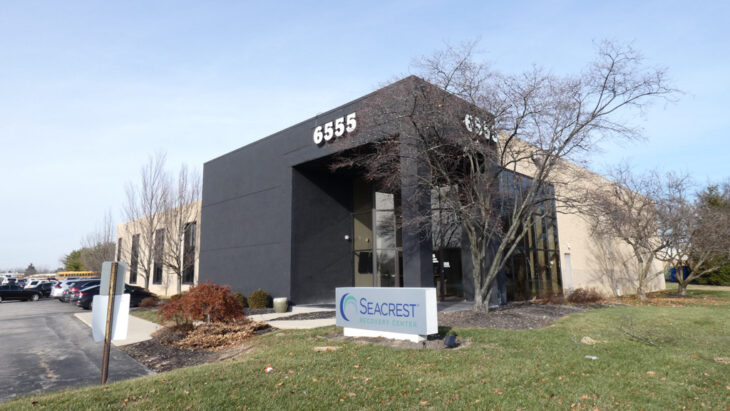
Seacrest Recovery Center Ohio provides substance abuse and mental health treatment for adults in Columbus, Ohio. Detoxification and outpatient treatment are some of the levels of care available to clients at this facility. The facility utilizes both holistic and traditional therapies to help clients with their recovery.
Personalized Detox Services For Recovery
The facility tailors every client’s detox treatment to their specific needs for an effective recovery process. Learning information such as the substance you used and the severity of your addiction will help the staff customize your care.
As you go through withdrawal, you may experience different symptoms such as muscle aches and anxiety. It’s also possible more severe symptoms can occur, which is why healthcare professionals will monitor you 24 hours a day to make sure any complications are quickly managed.
Treatments To Keep You Focused on Your Goals
The staff will utilize treatments such as therapeutic intervention and medications during your detox. An important part of helping you have a successful detox process will be keeping you motivated and focused on your treatment goals.
Medications will reduce your withdrawal symptoms and cravings so you’re able to focus on achieving your goals. The therapeutic staff will also provide guidance and emotional support.
When you complete your detox and make further progress in the next stages of your recovery, you can begin enjoying more of what Columbus has to offer. Some notable attractions in town you can check out include the Columbus Museum of Art and the Franklin Park Conservatory and Botanical Gardens.
| Levels of Care | Detox Service Setting | Programs | Payment Options | |
|---|---|---|---|---|
|
Inpatient and residential programs provide round-the-clock medical and emotional support as you live at the treatment facility. This level of care may be recommended if you have severe addictions or mental health conditions since it removes outside distractions and allows you to focus solely on therapy. |
In outpatient therapy, you’ll attend therapy sessions several times each week while living at home. This is ideal if you have a strong support system and a lower risk of relapse. Outpatient treatment offers flexibility to maintain work, school or family obligations. |
Partial hospitalization programs provide comprehensive treatment in a structured setting during the day but allow you to return home at night. These programs offer a balance of inpatient and outpatient rehab and provide intensive support without full time residency. |
Intensive Outpatient
|
Dual diagnosis programs address substance use disorders and co-occurring mental health conditions simultaneously. This integrated approach to care improves the likelihood of long term recovery and stability by addressing the root causes of addiction. |
|
Inpatient detox occurs in a dedicated treatment facility. You’ll live there around the clock and receive intensive medical support and supervision to help manage your withdrawal symptoms. It is suitable for individuals with moderate to severe addictions as it ensures a stable detox environment. |
Outpatient detox gives you access to medically supervised withdrawal services while still allowing you to live at home. You’ll attend a clinic for treatment and monitoring. This flexible option is suitable for those with mild to moderate withdrawal symptoms who have strong support systems. |
|||
|
Alcohol detox programs offer medical support to help individuals withdraw safely from alcohol. Your care team may use medications to ease your symptoms and provide medical monitoring to address complications.
|
Drug detox programs support individuals who are withdrawing from addictive substances like cocaine and heroin. Medical support helps you manage symptoms in a controlled and safe environment so you can achieve initial sobriety.
|
Adult programs address the substance use and life challenges specific to adults. Therapists can deliver sessions in individual, group and family settings. Services often include job support and life skills training in a structured environment. |
Women’s programs offer a safe and supportive space to focus on gender specific issues such as trauma, family roles and mental health conditions. Therapists tailor the sessions to address women’s needs and foster empowerment in a healing and nurturing environment. |
Men’s programs address substance use while also considering the social pressures, family roles and mental health concerns that are specific to men. You’ll learn healthy coping mechanisms as you build emotional resilience and develop communication skills. |
|
Private Insurance
|
Self Pay
|
Financing Plans
|
Levels of Care
Inpatient and residential programs provide round-the-clock medical and emotional support as you live at the treatment facility. This level of care may be recommended if you have severe addictions or mental health conditions since it removes outside distractions and allows you to focus solely on therapy.
In outpatient therapy, you’ll attend therapy sessions several times each week while living at home. This is ideal if you have a strong support system and a lower risk of relapse. Outpatient treatment offers flexibility to maintain work, school or family obligations.
Partial hospitalization programs provide comprehensive treatment in a structured setting during the day but allow you to return home at night. These programs offer a balance of inpatient and outpatient rehab and provide intensive support without full time residency.
Dual diagnosis programs address substance use disorders and co-occurring mental health conditions simultaneously. This integrated approach to care improves the likelihood of long term recovery and stability by addressing the root causes of addiction.
Detox Service Setting
Inpatient detox occurs in a dedicated treatment facility. You’ll live there around the clock and receive intensive medical support and supervision to help manage your withdrawal symptoms. It is suitable for individuals with moderate to severe addictions as it ensures a stable detox environment.
Outpatient detox gives you access to medically supervised withdrawal services while still allowing you to live at home. You’ll attend a clinic for treatment and monitoring. This flexible option is suitable for those with mild to moderate withdrawal symptoms who have strong support systems.
Programs
Adult programs address the substance use and life challenges specific to adults. Therapists can deliver sessions in individual, group and family settings. Services often include job support and life skills training in a structured environment.
Women’s programs offer a safe and supportive space to focus on gender specific issues such as trauma, family roles and mental health conditions. Therapists tailor the sessions to address women’s needs and foster empowerment in a healing and nurturing environment.
Men’s programs address substance use while also considering the social pressures, family roles and mental health concerns that are specific to men. You’ll learn healthy coping mechanisms as you build emotional resilience and develop communication skills.
Amenities
Accreditations

Accepted Insurance

Contact



Eric has a passion for content creation, whether it’s writing articles or making YouTube videos. He appreciates the power of storytelling to inform an audience about the information they need to know. In addition to writing, he also spends his time traveling and discovering new restaurants to enjoy a meal.

Courtney Myers writes and edits professionally from her home in North Carolina. She holds an MS in Technical Communication from N.C. State University and has worked in proposal management, marketing, and online content creation. She specializes in creating resources related to behavioral health and addiction recovery.
Detox.com regularly reviews this listing for accuracy but changes may occur between updates. For the most up-to-date information, please contact Seacrest Recovery Center Ohio.
Nearby Detox Centers


Search by Ohio Cities
FAQs
What outpatient detox and addiction treatment programs does Seacrest Recovery Center Ohio offer?
Seacrest Recovery Center Ohio provides a full continuum of outpatient care including Partial Hospitalization Program (PHP) with structured daytime treatment, Intensive Outpatient Program (IOP) with flexible scheduling, and standard Outpatient Program for ongoing support. All programs include individual therapy, group therapy, and family therapy alongside evidence-based counseling and life skills training.
Does Seacrest Recovery Center Ohio treat co-occurring mental health and substance use disorders?
Yes, Seacrest Recovery Center Ohio offers a dedicated Mental Health Program that treats co-occurring disorders, addressing both addiction and underlying mental health conditions together. The center’s clinicians treat anxiety, depression, PTSD, bipolar disorder, and other mood disorders as part of an integrated approach to recovery in Columbus.
What substances does Seacrest Recovery Center Ohio provide treatment for?
Seacrest Recovery Center Ohio specializes in treating substance use disorders involving alcohol, opioids, benzodiazepines, stimulants, and other drugs. The center’s evidence-based programs help clients identify triggers, develop coping skills, and build relapse prevention strategies for long-term sobriety.
What payment options and insurance does Seacrest Recovery Center Ohio accept?
Seacrest Recovery Center Ohio accepts most major private insurance plans, is in-network with many providers, and also accepts out-of-network benefits. The facility offers self-pay options and financing plans for clients without insurance, and the admissions team can verify insurance benefits at no cost.
How is the Partial Hospitalization Program structured at Seacrest Recovery Center Ohio?
The Partial Hospitalization Program (PHP) at Seacrest Recovery Center Ohio provides structured, daytime treatment allowing clients to return home or to supportive housing in the evenings. This level of care is designed for individuals who need intensive treatment but do not require 24-hour inpatient supervision.
What therapeutic approaches does Seacrest Recovery Center Ohio use in treatment?
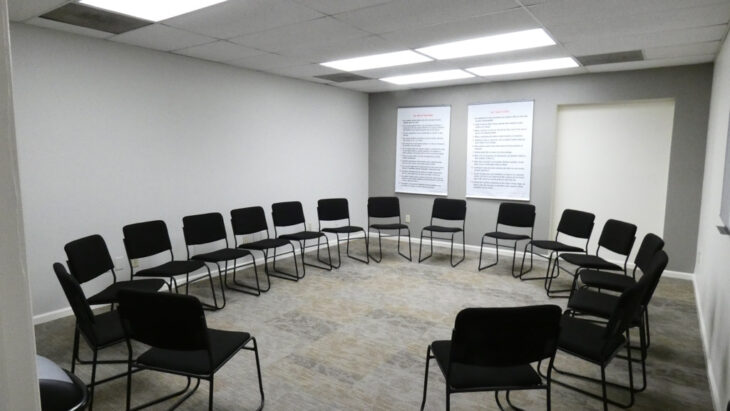
Seacrest Recovery Center Ohio incorporates individual therapy, group therapy, family therapy, and evidence-based counseling. The center also uses mindfulness and meditation practices for emotional regulation, emphasizes life skills and healthy routines, and supports peer accountability to help clients sustain long-term recovery.