

 800-262-4205
Charles River Recovery

About Charles River Recovery
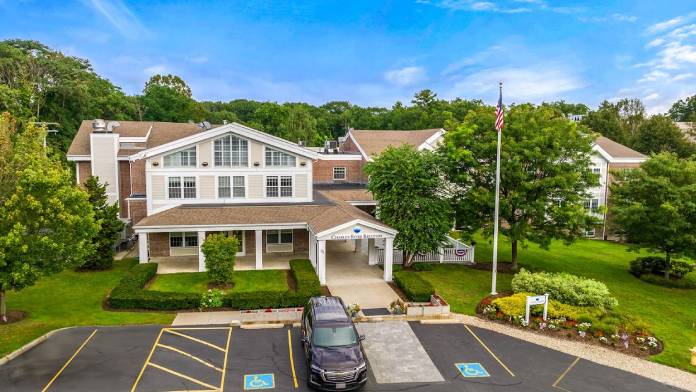
Charles River Recovery is a medical detox program in Weston, Massachusetts on a 4 acre site off Route 30, near I-90 and I-95.
The detox covers alcohol, benzodiazepines and cocaine, methamphetamine and opioids.
Adults and young adults are admitted and there’s a residential program after detox.
The center also offers day treatment, an evening intensive outpatient program and family support.
Opioid Medications in Weston
Charles River Recovery uses the opioid medications methadone, buprenorphine and naltrexone for medication assisted detox and later treatment.
They’re managed by board certified physicians and nurses. Medication during withdrawal is there so symptoms can be watched and adjusted as you go through it.
Those medications are also used to lower cravings and help with mental health. Care also covers anxiety, depression and trauma alongside substance use.
For veterans and people on active duty, the center works with VA and community providers and accounts for military culture.
They’ll check benefits quickly and confidentially, and admissions run around the clock.
People come from across Massachusetts, and the center accepts Medicaid and private health insurance, as well as cash or self payment.
| Levels of Care | Detox Service Setting | Programs | Payment Options | ||
|---|---|---|---|---|---|
|
The inpatient offering is a focused residential step after detox. It builds structure, coping skills and momentum once detox is done. |
In outpatient therapy, you’ll attend therapy sessions several times each week while living at home. This is ideal if you have a strong support system and a lower risk of relapse. Outpatient treatment offers flexibility to maintain work, school or family obligations. |
Partial hospitalization programs provide comprehensive treatment in a structured setting during the day but allow you to return home at night. These programs offer a balance of inpatient and outpatient rehab and provide intensive support without full time residency. |
Intensive Outpatient
|
||
|
Medical supervision during inpatient detox runs 24/7. Withdrawal is managed safely and comfortably under those protocols, which are evidence-based. |
Outpatient detox gives you access to medically supervised withdrawal services while still allowing you to live at home. You’ll attend a clinic for treatment and monitoring. This flexible option is suitable for those with mild to moderate withdrawal symptoms who have strong support systems. |
Medication assisted treatment combines medication and counseling to manage withdrawal and reduce cravings for opioid and alcohol addiction. Medications may include methadone, buprenorphine or naltrexone. MAT is tailored to your needs so you can actively participate in your treatment journey. |
|||
|
Alcohol detox programs offer medical support to help individuals withdraw safely from alcohol. Your care team may use medications to ease your symptoms and provide medical monitoring to address complications.
|
Drug detox programs support individuals who are withdrawing from addictive substances like cocaine and heroin. Medical support helps you manage symptoms in a controlled and safe environment so you can achieve initial sobriety.
|
Adult programs address the substance use and life challenges specific to adults. Therapists can deliver sessions in individual, group and family settings. Services often include job support and life skills training in a structured environment. |
Military and veteran programs offer specialized support for clients who served in the armed services. Programs focus on reintegration and healing within a structured and supportive environment that acknowledges the unique struggles of military life. |
Opioid detox uses medications to ease severe withdrawal symptoms. It also includes medical supervision to help you manage potential complications. These services allow you to stabilize and begin a recovery plan. |
Cognitive behavioral therapy is named alongside DBT-informed groups, relapse-prevention training, motivational interviewing and family support. |
|
Private Insurance
|
Self Pay
|
Financing Plans
|
Payment Assistance
|
Levels of Care
The inpatient offering is a focused residential step after detox. It builds structure, coping skills and momentum once detox is done.
In outpatient therapy, you’ll attend therapy sessions several times each week while living at home. This is ideal if you have a strong support system and a lower risk of relapse. Outpatient treatment offers flexibility to maintain work, school or family obligations.
Partial hospitalization programs provide comprehensive treatment in a structured setting during the day but allow you to return home at night. These programs offer a balance of inpatient and outpatient rehab and provide intensive support without full time residency.
Detox Service Setting
Medical supervision during inpatient detox runs 24/7. Withdrawal is managed safely and comfortably under those protocols, which are evidence-based.
Outpatient detox gives you access to medically supervised withdrawal services while still allowing you to live at home. You’ll attend a clinic for treatment and monitoring. This flexible option is suitable for those with mild to moderate withdrawal symptoms who have strong support systems.
Medication assisted treatment combines medication and counseling to manage withdrawal and reduce cravings for opioid and alcohol addiction. Medications may include methadone, buprenorphine or naltrexone. MAT is tailored to your needs so you can actively participate in your treatment journey.
Programs
Adult programs address the substance use and life challenges specific to adults. Therapists can deliver sessions in individual, group and family settings. Services often include job support and life skills training in a structured environment.
Military and veteran programs offer specialized support for clients who served in the armed services. Programs focus on reintegration and healing within a structured and supportive environment that acknowledges the unique struggles of military life.
Opioid detox uses medications to ease severe withdrawal symptoms. It also includes medical supervision to help you manage potential complications. These services allow you to stabilize and begin a recovery plan.
Cognitive behavioral therapy is named alongside DBT-informed groups, relapse-prevention training, motivational interviewing and family support.
Amenities
Accreditations

Contact


Natalie is a recent Purdue University graduate where she studied Psychology and Creative Writing. She’s a fierce advocate for others and is committed to always showing up with a compassionate heart. She enjoys writing poetry, dancing, and playing piano in her free time.
Detox.com regularly reviews this listing for accuracy but changes may occur between updates. For the most up-to-date information, please contact Charles River Recovery.
Nearby Detox Centers


Search by Massachusetts Cities
FAQs
What levels of care does Charles River Recovery offer in Weston?
Medical detox comes with 24/7 supervision for withdrawal. After that, a residential step builds structure, coping skills and momentum. Day treatment (PHP) and an evening intensive outpatient program (IOP) are also named. Care for substance use with anxiety, depression and trauma is named too. That detox level is the inpatient detox described here.
How does insurance work for care at the Weston campus?
The center works with most major insurance plans, and benefits checks are fast and confidential. That’s what is named for paying. A wider look at using insurance for detox is available for coverage questions.
Where is Charles River Recovery, and when can you be admitted?
It’s a quiet 4-acre site in Weston. Route 30 is the nearby road, and I-90 and I-95 are a short drive away. Common spaces support connection. Quiet areas support rest. Clients are served across Massachusetts, admissions run 24/7 and insurance verification is quick.
Which therapies are used alongside the detox programs?
Motivational interviewing, CBT and family support are named, along with DBT-informed groups and relapse-prevention training. Detox programs are personalized. More on types of addiction therapy is available as further reading.