617-586-3439

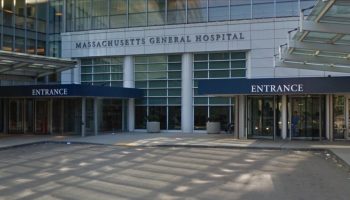
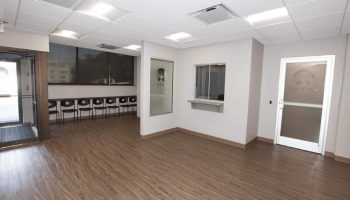
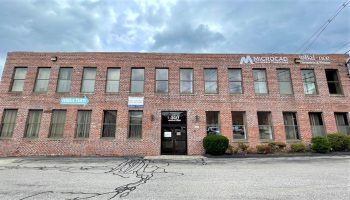
Cambridge detox and addiction treatment programs are licensed and regulated by the Massachusetts Department of Public Health (DPH) through its Bureau of Substance Addiction Services (BSAS). BSAS sets clinical staffing standards, issues facility licenses, and oversees the full continuum of SUD care statewide, from medically managed withdrawal to outpatient services.
Locally, the Cambridge Public Health Department (CPHD) operates as an active public health authority, collecting overdose surveillance data and coordinating community naloxone access and training programs. The city benefits from a strong safety-net infrastructure. Cambridge Health Alliance (CHA), a publicly funded health system, offers outpatient addiction services and medication-assisted treatment directly in Cambridge.
CASPAR (Cambridge and Somerville Programs for Addiction Recovery), a Bay Cove Human Services nonprofit founded in 1970, runs a 24-hour emergency shelter with no sobriety requirements, street outreach, and residential recovery programs for people at every point in the recovery process. Both programs accept MassHealth and offer a low barrier to treatment entry.
Cambridge was among the cities identified by MA DPH as having a notable decrease in opioid overdose deaths in 2023 compared to 2022, continuing a trend that has carried into 2024. In December 2024, the state passed Chapter 285, a significant SUD reform law requiring all health plans to cover opioid reversal drugs without prior authorization or cost-sharing, and requiring hospitals to dispense naloxone to at-risk patients at discharge.
Cambridge also receives Opioid Abatement Settlement funds to support city-wide harm reduction and recovery initiatives. Knowing how to choose a detox center in this city means paying attention to whether a program is in the MassHealth network, what level of medical supervision it offers, and whether it provides a clear pathway to ongoing care after withdrawal management ends.