

 617-586-3439
Spaulding Hospital Cambridge
Cambridge, MA
02138

| Name | Address | Detox Service Setting | Levels Of Care | Media |
|---|---|---|---|---|
AdCare Hospital |
107 Lincoln Street Worcester, MA 01605 |
Detox Service Setting
Hospital DetoxMAT
|
Levels Of Care
InpatientOutpatientAftercare+1
|
|
Community Healthlink – Motivating Youth Recovery |
26 Queen Street Worcester, MA 01610 |
Detox Service Setting
Inpatient Detox
|
Levels Of Care
AftercareSober LivingInpatient+1
|

|
Community Healthlink Faith House |
142 Burncoat Street Worcester, MA 01606 |
Detox Service Setting
Inpatient Detox
|
Levels Of Care
InpatientDual DiagnosisSober Living
|

|
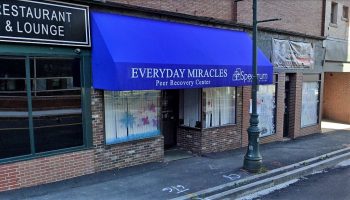
Everyday Miracles Peer Recovery Center |
25 Pleasant Street Worcester, MA 01609 |
Detox Service Setting
Outpatient Detox
|
Levels Of Care
OutpatientAftercareDual Diagnosis
|
|
Lake Avenue Recovery Addiction Treatment Centers |
425 North Lake Avenue Worcester, MA 01605 |
Detox Service Setting
Inpatient DetoxOutpatient Detox
|
Levels Of Care
InpatientOutpatient
|
|
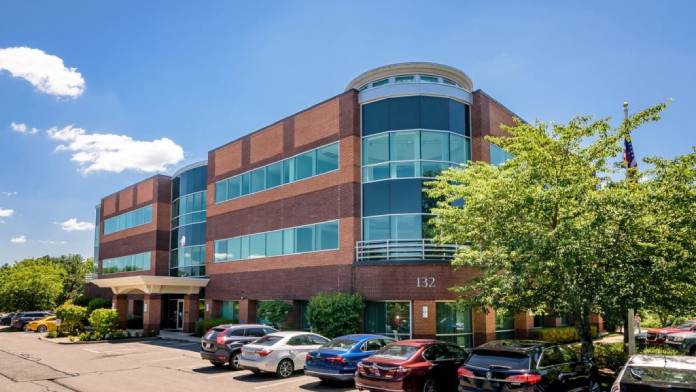
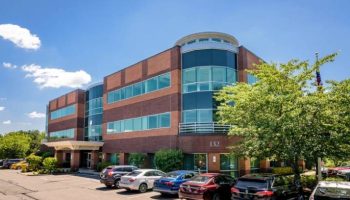
Northstar Recovery Center |
132 Turnpike Rd Worcester, MA 01772 |
Detox Service Setting
Inpatient DetoxOutpatient Detox
|
Levels Of Care
InpatientOutpatient
|
|
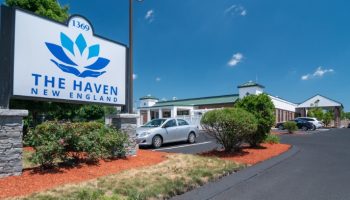
The Haven Detox New England |
1369 Grafton St Worcester, MA 01604 |
Detox Service Setting
Inpatient DetoxOutpatient Detox
|
Levels Of Care
InpatientOutpatient
|
|
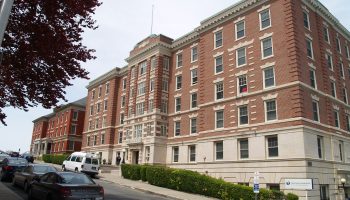
UMass Memorial Health – Community Healthlink |
12 Queen Street Worcester, MA 01610 |
Detox Service Setting
Inpatient Detox
|
Levels Of Care
InpatientAftercare
|
|
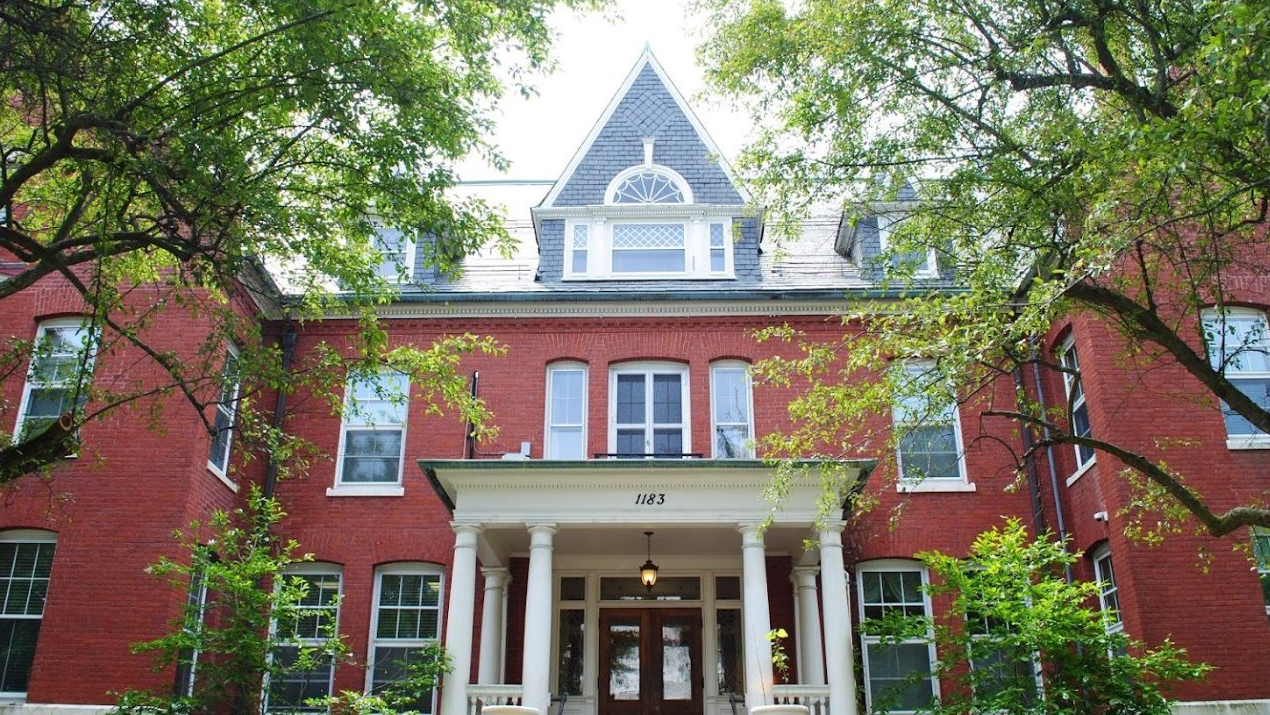
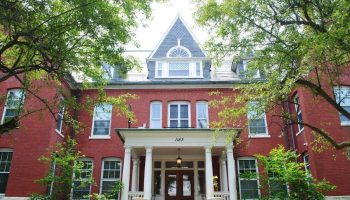
Washburn House |
1183 Main Street Worcester, MA 01603 |
Detox Service Setting
Inpatient DetoxOutpatient DetoxMAT
|
Levels Of Care
InpatientPHPOutpatient+3
|
|
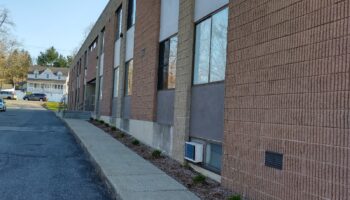
Washburn House Extended Care |
1398 Main Street Worcester, MA 01603 |
Detox Service Setting
Inpatient DetoxOutpatient Detox
|
Levels Of Care
InpatientOutpatientSober Living+1
|
|
CleanSlate Outpatient Addiction Medicine |
411 Chandler Street Worcester, MA 01602 |
Detox Service Setting
Outpatient DetoxMAT
|
Levels Of Care
Outpatient
|
|
SaVida Health Worcester |
299 Lincoln St Ste 301 Worcester, MA 01605 |
Detox Service Setting
Inpatient DetoxOutpatient DetoxMAT
|
Levels Of Care
InpatientOutpatientDual Diagnosis+2
|
|
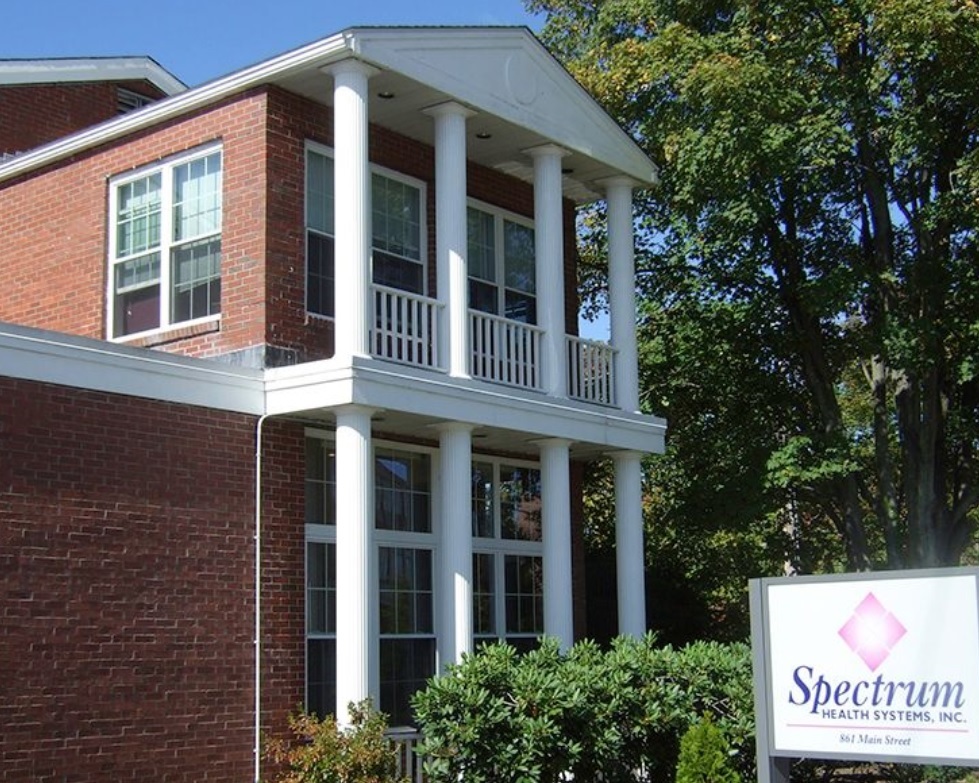
Spectrum Health Systems, Inc. |
585 Lincoln Street Worcester, MA 01605 |
Detox Service Setting
Outpatient DetoxMAT
|
Levels Of Care
OutpatientIntervention
|
|
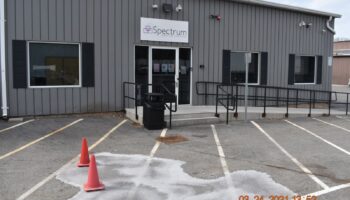
Spectrum Health Systems Inc. |
50 Howe Avenue Millbury, MA 01527 |
Detox Service Setting
Outpatient DetoxMAT
|
Levels Of Care
OutpatientIntensive Outpatient
|
|
Spectrum Health Systems |
154 Oak Street Westborough, MA 01581 |
Detox Service Setting
Inpatient Detox
|
Levels Of Care
InpatientAftercare
|
|
Worcester sits at the center of Massachusetts’s substance use response, a state that pairs strong public investment with one of the sharpest overdose declines in the country.
In Massachusetts, medically supervised detox is delivered via Acute Treatment Services (ATS), licensed by the Department of Public Health’s Bureau of Substance Addiction Services (BSAS) under regulation 105 CMR 164. Knowing how to choose a detox center that holds the right BSAS license is the first practical step.
Two Massachusetts features shape access. First, MassHealth expanded coverage means most low-income Worcester residents can have detox and treatment paid for, and BSAS acts as the payer of last resort for those who remain uninsured.
Second, Massachusetts allows Section 35, a civil commitment process that lets families petition a court to order a loved one into detox and stabilization when substance use creates a likelihood of serious harm.
Worcester has become a notable success story, roughly halving its overdose deaths through aggressive naloxone distribution, drug checking, and community outreach.
Fentanyl still drives most deaths, and the sedative xylazine increasingly complicates the supply, so local programs pair harm reduction with clear paths into treatment.
Cost is a frequent first worry for people considering detox in Worcester, but the price of care varies widely by setting and length of stay, and Massachusetts has unusually broad coverage. A clear look at how much detox costs helps you plan before you commit.
The cost of detox in Worcester depends on the level of care, the severity of withdrawal, and whether treatment happens in a hospital-based or freestanding ATS program.
The figures below are general benchmarks rather than Worcester-specific quotes, and they represent full cash-pay rates before insurance, MassHealth, Medicare, or other aid. Most people with coverage pay significantly less, and public funding may cover the full cost.
Medicare covers medically necessary inpatient and outpatient detox for Worcester beneficiaries, along with opioid treatment program services such as methadone, buprenorphine, and naltrexone under Part B. Your copays, coinsurance, and deductibles depend on the treatment setting, the services you receive, and whether you carry a Medicare Advantage or supplement plan.
Massachusetts expanded Medicaid, so most low-income adults qualify for MassHealth, which covers the detox continuum, including Acute Treatment Services, Clinical Stabilization Services, outpatient care, and medication-assisted treatment. For residents who remain uninsured, BSAS serves as the payer of last resort for state-funded treatment.
Cost should not keep anyone in Worcester from starting detox. Several options exist for people without private insurance or the means to self-pay:

BSAS funds detox and treatment beds across Massachusetts and serves as the payer of last resort, so uninsured Worcester residents can often access Acute Treatment Services at no cost. The Massachusetts Substance Use Helpline can identify open beds in real time.
Community health centers and providers across Worcester set fees on a sliding scale tied to income and household size, lowering out-of-pocket costs for residents who do not qualify for MassHealth.
Worcester’s major hospital systems, including UMass Memorial Health, provide medically managed withdrawal and can stabilize people with serious co-occurring medical conditions, often coordinating charity care for those unable to pay.
Veterans in the Worcester area can access detox and substance use care through the VA Central Western Massachusetts Healthcare System, which offers withdrawal management, MAT, and mental health services to eligible veterans at little or no cost.
Detox and addiction treatment in Worcester are overseen by a mix of state licensing authorities, a civil commitment statute, and local public health. These are the key bodies that regulate and coordinate withdrawal management and SUD services:
BSAS licenses and oversees substance use treatment programs in Massachusetts, including Acute Treatment Services (detox) and Clinical Stabilization Services, under regulation 105 CMR 164. It sets clinical and safety standards and funds treatment as the state’s payer of last resort.
Section 35 allows a court to civilly commit a person for involuntary substance use treatment for up to 90 days when their use creates a likelihood of serious harm. A spouse, relative, physician, police officer, or court official may petition, and BSAS-approved programs provide the court-ordered detox and stabilization.
MassHealth is the state Medicaid program and covers the full detox continuum, including ATS, CSS, outpatient care, and medication-assisted treatment. Its coverage rules shape how Worcester programs deliver and coordinate care for the majority of low-income residents.
The city’s public health division leads Worcester’s local overdose response, distributing naloxone, funding outreach, and publishing the strategic plan that targets overdose hot spots. Its coordinated effort is credited with the city’s steep decline in deaths.
Medication-assisted treatment in Worcester is regulated at both the federal and state levels. Programs that dispense methadone must hold SAMHSA Opioid Treatment Program certification under 42 CFR Part 8 and DEA registration, and in Massachusetts BSAS licenses and oversees MAT providers. You can learn how medication-assisted treatment fits into a broader detox plan.
Buprenorphine, often prescribed as Suboxone, is widely available across Worcester from office-based providers, community health centers, and telehealth, without the daily-clinic requirement methadone carries. Massachusetts has invested heavily in low-barrier access, and MassHealth covers it.
Methadone is dispensed only through federally certified opioid treatment programs and is not available at retail pharmacies. It requires daily on-site dosing early in treatment, so access depends on living near one of Worcester’s licensed OTPs. MassHealth covers methadone treatment.
Naltrexone, including the long-acting injectable Vivitrol, needs no special licensing and is prescribed in routine outpatient settings across Worcester. Because it is not a controlled substance, it is used for both opioid and alcohol use disorder, is covered by MassHealth, and is typically started after detox is complete.
Worcester has built one of the most active harm reduction efforts in Massachusetts, a state that supports legal syringe services, drug checking, and broad naloxone access. Because fentanyl and the sedative xylazine dominate the local supply, Worcester programs combine free naloxone and drug testing with direct links into treatment.
AIDS Project Worcester runs the area’s syringe services program and offers drug checking that can detect fentanyl and xylazine in a person’s supply, along with free naloxone and testing. Its work is credited as part of the city’s overdose decline.
The city distributes thousands of naloxone kits a year and offers Narcan training videos and a free city app, blanketing high-risk neighborhoods with the overdose-reversal drug. Worcester received more than 12,000 naloxone kits in a single year.
Through DPH, Massachusetts operates one of the longest-running naloxone distribution programs in the country and maintains a statewide standing order so anyone can obtain naloxone without a personal prescription.
The statewide Helpline provides free, confidential help finding detox and treatment, including real-time bed availability, and connects callers to naloxone and harm reduction resources near Worcester.
Massachusetts and Worcester have posted some of the nation’s steepest overdose declines, though the drug supply keeps shifting. The figures below come from state and city public health reporting.
Opioid-related overdose deaths in Massachusetts dropped 36% in 2024 and an estimated 27% further in 2025, falling below 1,000 for the first time in more than a decade. Massachusetts Department of Public Health
Worcester saturated its neighborhoods with naloxone, receiving more than 12,000 kits between mid-2023 and mid-2024, and roughly halved its overdose deaths after previously outpacing the statewide rise. City of Worcester Division of Public Health
The sedative xylazine was found in 34% of Massachusetts drug samples tested and in 16% of opioid overdose deaths in 2024, a growing challenge that Worcester drug-checking programs now screen for. Massachusetts Department of Public Health
Call the Massachusetts Substance Use Helpline at 800-327-5050 for free, confidential help finding an open bed. Because BSAS acts as the state’s payer of last resort, uninsured Worcester residents can often access Acute Treatment Services at no cost. You can also check MassHealth eligibility.
Section 35 is a Massachusetts law that lets a spouse, relative, physician, police officer, or court official petition a court to civilly commit someone for involuntary substance use treatment for up to 90 days, when their use creates a likelihood of serious harm. Committed individuals receive detox and stabilization at approved programs.
Yes, the City of Worcester and AIDS Project Worcester distribute free naloxone, and Massachusetts maintains a statewide standing order so anyone can get it without a prescription. Naloxone is also sold over the counter, and MassHealth and most insurers cover it.
Yes, AIDS Project Worcester offers drug checking that can detect fentanyl and xylazine in a person’s supply, along with fentanyl test strips. This service helps people make safer decisions and is part of why Worcester has seen such a steep drop in overdose deaths.
Yes, MassHealth covers the full detox continuum, including Acute Treatment Services, Clinical Stabilization Services, and medication-assisted treatment, for both opioid and alcohol use disorder. Massachusetts expanded Medicaid, so most low-income Worcester residents qualify.


Gayle Morris, BSN, MSN, received her bachelor’s degree from the University of Illinois Chicago Medical Center and her first master’s degree from Indiana University Purdue University Indianapolis. She practiced nursing for more than two decades with a focus on pediatric physical rehabilitation, helping children and their parents after a head injury or spinal cord injury. She has been a freelance writer in health, wellness, and mental health for more than 15 years. She loves exercise, her dogs and guinea pigs, and gardening.