800-262-4205
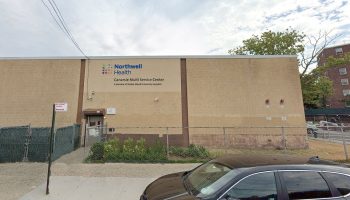
Crouse Health Hospital Commonwealth Place Inpatient

About Crouse Health Hospital Commonwealth Place Inpatient
Crouse Health Hospital Commonwealth Place is a 40-bed residential rehabilitation program in Syracuse, New York. Although they do not provide detox, the center offers 24/7 supervised treatment for adults with substance use disorders.
The program combines numerous services and nutritional education to support whole-person recovery. Treatment is individualized and patient-centered with a strong emphasis on family involvement and structured aftercare planning to help you build lasting sobriety.
Inpatient Substance Use Disorder Treatment
Commonwealth Place offers residential rehabilitation for adults 18 and older struggling with addiction. As part of the Crouse Health system, the program provides around-the-clock supervised care with gender responsive programming tailored to your specific needs and recovery goals.
In treatment, you will participate in individual and group therapy sessions while receiving psychiatric consultation and medication management as needed. The program integrates relapse prevention education, coping skills training, recreational and expressive therapy and self-help group participation to address both immediate concerns and underlying issues. Daily evaluations ensure you are ready to step down to less intensive outpatient care when appropriate.
Aftercare and Transition Planning
Before discharge, the Commonwealth Place team works with you to create a detailed aftercare plan, including selecting your next level of care, coordinating return-to-work strategies and connecting you with community support groups. This structured transition support helps ensure continuity as you move from inpatient treatment back to daily life.
| Levels of Care | Detox Service Setting | Programs | Payment Options | |||||
|---|---|---|---|---|---|---|---|---|
|
Inpatient
|
Aftercare programs provide ongoing support once you complete a rehab program. They may include several components to help you maintain sobriety, including therapy, community support groups, and relapse-prevention strategies. This gives you a network of resources as you reintegrate into daily life. |
|||||||
|
Inpatient detox occurs in a dedicated treatment facility. You’ll live there around the clock and receive intensive medical support and supervision to help manage your withdrawal symptoms. It is suitable for individuals with moderate to severe addictions as it ensures a stable detox environment. |
||||||||
|
Adult programs include job support and life skills training in a structured environment. Services are designed to address the substance use and life challenges specific to adults. Therapy sessions happen in individual, group and family settings.
|
Alcohol detox programs offer medical support to help individuals withdraw safely from alcohol. Your care team may use medications to ease your symptoms, and they may provide medical monitoring to address complications.
|
Cognitive behavioral therapy focuses on changing harmful thought patterns and behaviors associated with addiction. You’ll learn healthier coping mechanisms by identifying and replacing negative thoughts. This improves your emotional resilience and decreases your relapse potential.
|
Drug detox programs support individuals who are withdrawing from addictive substances like cocaine and heroin. Medical support helps you manage symptoms in a controlled and safe environment so you can achieve initial sobriety.
|
Men's programs address substance use while also considering the social pressures, family roles, and mental health concerns specific to men. Participants learn healthy coping mechanisms, build emotional resilience, and develop communication skills.
|
Opioid detox uses medications to ease severe withdrawal symptoms. It includes medical supervision to help you manage potential complications. These services allow you to stabilize safely and begin a recovery plan.
|
Rational behavior therapy helps you identify irrational beliefs that contribute to an addiction. Challenging and modifying those beliefs helps you develop healthier attitudes and behaviors. This therapy supports long-term sobriety and sustainable recovery.
|
Women's programs offer a safe and supportive space to focus on gender-specific issues such as trauma, family roles, and mental health conditions. Therapists tailor the sessions to address women's needs and foster empowerment in a healing and nurturing environment.
|
Young adult programs are designed for individuals who are transitioning into adulthood. Topics of discussion typically include identity, independence, and peer relationships. Providers may also offer life-skills training and career support.
|
|
Medicaid
|
Medicare
|
Private Insurance
|
Self Pay
|
Levels of Care
Aftercare programs provide ongoing support once you complete a rehab program. They may include several components to help you maintain sobriety, including therapy, community support groups, and relapse-prevention strategies. This gives you a network of resources as you reintegrate into daily life.
Detox Service Setting
Inpatient detox occurs in a dedicated treatment facility. You’ll live there around the clock and receive intensive medical support and supervision to help manage your withdrawal symptoms. It is suitable for individuals with moderate to severe addictions as it ensures a stable detox environment.
Programs
Contact



Patti Croft has content writing experience in several areas, including health and fitness, cybersecurity, and animal care. She is passionate about mental health and addiction treatment and strives to share information that is enjoyable and accessible. She loves reading, consuming too much coffee, and spending time with her friends and pets.
Detox.com regularly reviews this listing for accuracy but changes may occur between updates. For the most up-to-date information, please contact Crouse Health Hospital Commonwealth Place Inpatient.