

 303-536-7218
Spero Recovery Center
Evergreen, CO
80439

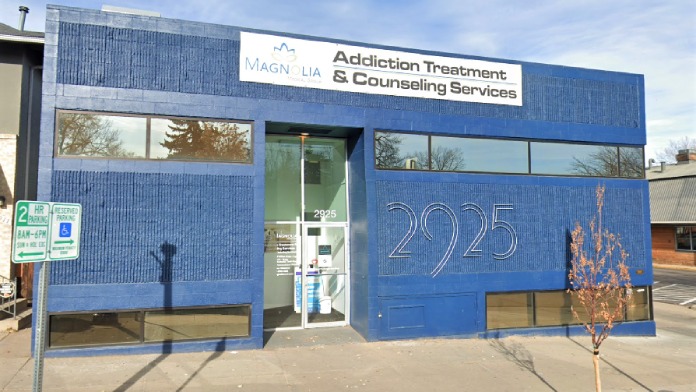
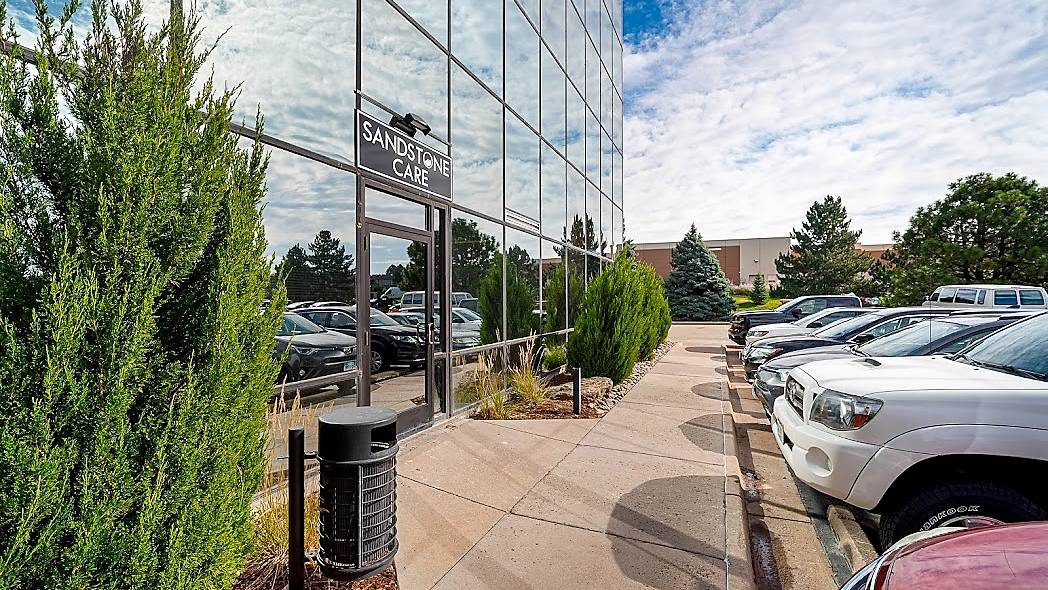


| Name | Address | Detox Service Setting | Levels Of Care | Media |
|---|---|---|---|---|
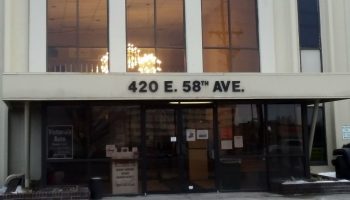
1st Priority Institute for Better Living |
420 E 58th Ave Denver, CO 80216 |
Detox Service Setting
Inpatient DetoxOutpatient Detox
|
Levels Of Care
InpatientOutpatient
|
|
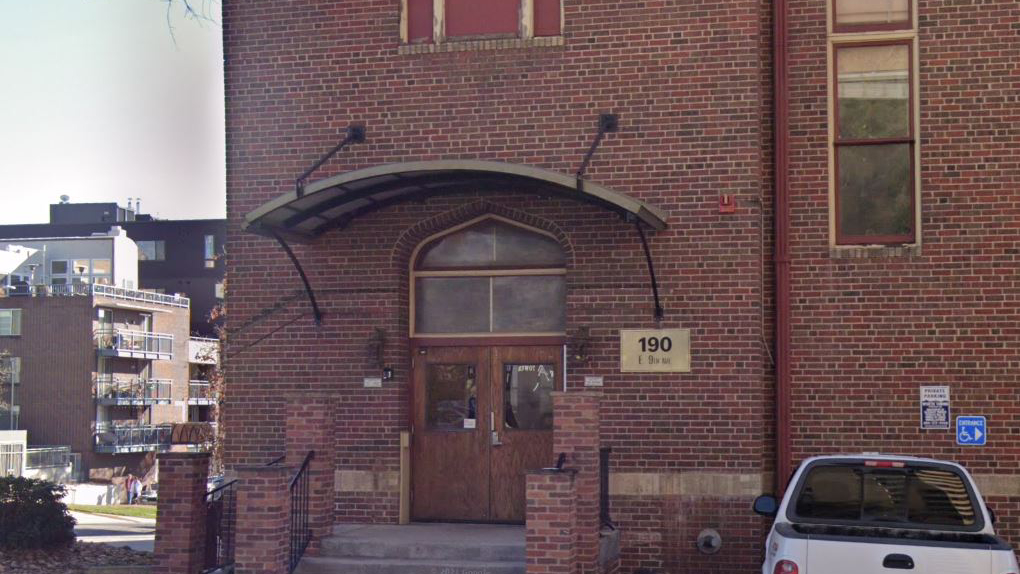
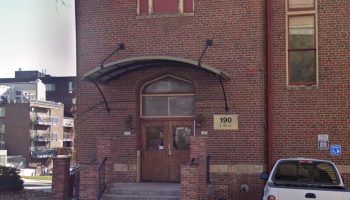
Acacia Counseling |
190 East 9th Avenue Denver, CO 80203 |
Detox Service Setting
Outpatient Detox
|
Levels Of Care
OutpatientAftercareDual Diagnosis
|
|
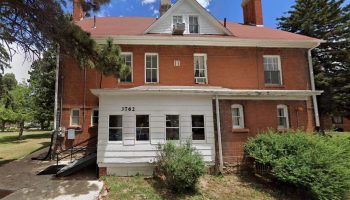
Addiction Research and Treatment Services Peer 1 |
3762 West Princeton Circle Denver, CO 80236 |
Detox Service Setting
Inpatient DetoxOutpatient Detox
|
Levels Of Care
InpatientOutpatientAftercare+2
|
|
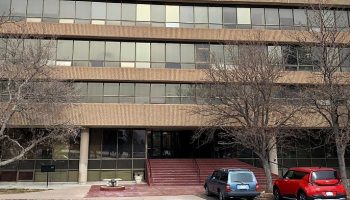
Continuum Recovery Center of Colorado |
9725 E Hampden Ave Denver, CO 80231 |
Detox Service Setting
Inpatient DetoxOutpatient Detox
|
Levels Of Care
InpatientOutpatient
|
|
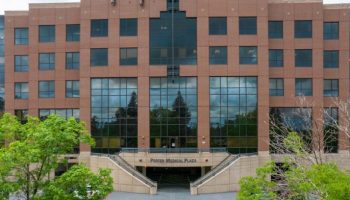
CuraWest |
2535 S Downing St Denver, CO 80210 |
Detox Service Setting
Inpatient DetoxOutpatient Detox
|
Levels Of Care
InpatientOutpatient
|
|
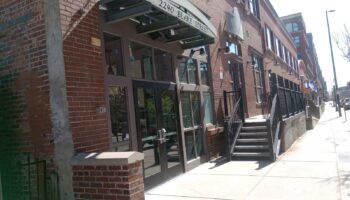
Front Range Clinic |
2240 Blake Street Denver, CO 80205 |
Detox Service Setting
Outpatient DetoxMAT
|
Levels Of Care
Outpatient
|
|
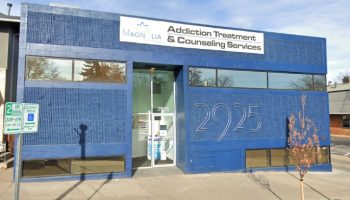
Magnolia Medical Group |
2925 E Colfax Ave Denver, CO 80206 |
Detox Service Setting
Inpatient DetoxOutpatient Detox
|
Levels Of Care
InpatientOutpatient
|
|
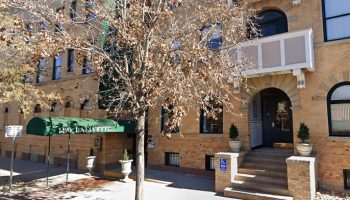
Magnolia Medical Group Lafayette |
1490 Lafayette St Denver, CO 80218 |
Detox Service Setting
Inpatient DetoxOutpatient DetoxMAT
|
Levels Of Care
InpatientOutpatientIntensive Outpatient+1
|
|
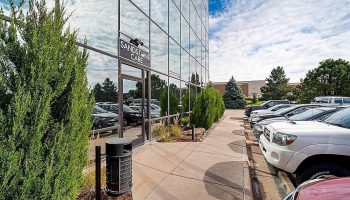
Sandstone Care Denver Center |
7555 E Hampden Avenue Denver, CO 80231 |
Detox Service Setting
Inpatient DetoxOutpatient DetoxMAT
|
Levels Of Care
InpatientPHPOutpatient+4
|
|
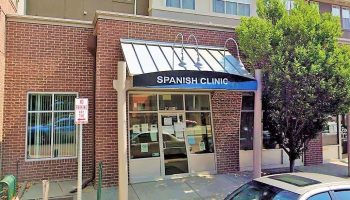
Spanish Clinic Morrison Road |
4200 Morrison Road Denver, CO 80219 |
Detox Service Setting
Outpatient Detox
|
Levels Of Care
OutpatientDual Diagnosis
|
|
The Raleigh House Denver |
4401 South Quebec Street Denver, CO 80237 |
Detox Service Setting
Inpatient DetoxOutpatient DetoxMAT
|
Levels Of Care
InpatientOutpatientPHP+3
|

|
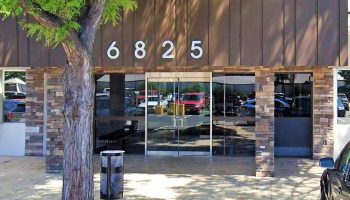
Turning Point Mental Health Services |
6825 East Tennessee Avenue Denver, CO 80224 |
Detox Service Setting
Outpatient Detox
|
Levels Of Care
OutpatientAftercareDual Diagnosis
|
|
Denver CARES |
1155 Cherokee Street Denver, CO 80204 |
Detox Service Setting
Inpatient DetoxOutpatient DetoxMAT
|
Levels Of Care
InpatientOutpatientPHP+2
|
|
Denver Recovery Group |
2822 E Colfax Ave Denver, CO 80206 |
Detox Service Setting
Inpatient DetoxOutpatient Detox
|
Levels Of Care
InpatientOutpatient
|
|
Denver Women’s Recovery |
3801 East Florida Avenue Suite 650 Denver, CO 80210 |
Detox Service Setting
Hospital DetoxOutpatient Detox
|
Levels Of Care
OutpatientDual DiagnosisAftercare+1
|
|
Eating Recovery Center |
7351 E. Lowry Blvd. Suite 200 Denver, CO 80230 |
Detox Service Setting
Hospital DetoxInpatient DetoxOutpatient Detox
|
Levels Of Care
InpatientOutpatientDual Diagnosis+3
|
|
Mile High Recovery Center Denver |
1201 E Colfax Ave Denver, CO 80218 |
Detox Service Setting
|
Levels Of Care
|
|
St. Francis Center |
2323 Curtis Street Denver, CO 80205 |
Detox Service Setting
Outpatient DetoxMAT
|
Levels Of Care
OutpatientDual DiagnosisAftercare
|
Denver has one of Colorado’s largest and most developed treatment markets, paired with a long history of city support for harm reduction. Detox and withdrawal management programs are licensed by the Colorado Behavioral Health Administration (BHA) through its LADDERS system, while the Denver Department of Public Health and Environment leads the local overdose response. Knowing how to choose a detox center licensed for your level of need helps you navigate a crowded market.
Denver’s drug supply has shifted in a way that shapes care. In 2024, methamphetamine overtook fentanyl as the leading substance in local overdose deaths for the first time, and the two are increasingly used together. That matters when choosing a program, because stimulant and opioid withdrawal call for different medical support, and many people now need help with both.
Colorado expanded Medicaid, so most low-income Denver residents qualify for Health First Colorado, which covers the detox continuum. For those who are uninsured, Denver Health operates the region’s central public safety net, including the long-running Denver CARES withdrawal facility, and the city funds free naloxone and syringe access through established programs.
Worrying about the cost of detox is common in Denver, but the price of care varies widely by setting and length of stay, and most people with coverage pay a fraction of the sticker price. A clear look at how much detox costs helps you plan before you commit.
The cost of detox in Denver depends on the level of care, the severity of withdrawal, and whether treatment happens in a hospital, a residential facility, or an outpatient clinic. The figures below are general benchmarks rather than Denver-specific quotes, and they represent full cash-pay rates before insurance, Medicaid, Medicare, or other aid. Most people with coverage pay significantly less, and public programs may cost nothing.
Medicare covers medically necessary inpatient and outpatient detox treatment for Denver beneficiaries, along with opioid treatment program services such as methadone, buprenorphine, and naltrexone, under Part B. Your copays, coinsurance, and deductibles depend on the treatment setting, the services you receive, and whether you carry a Medicare Advantage or supplement plan.
Colorado expanded Medicaid, so most low-income adults qualify for Health First Colorado. Its substance use benefit covers the detox continuum, including withdrawal management, residential and inpatient treatment, outpatient care, and medication-assisted treatment, with services aligned to ASAM levels of care. Some levels may require prior authorization.
Cost should not keep anyone in Denver from starting detox. Several options exist for people without private insurance or the means to self-pay:

Denver Health, the city’s safety-net hospital system, provides substance use treatment and operates the Denver CARES withdrawal facility, delivering detox and stabilization to uninsured and low-income residents regardless of ability to pay.
Federally qualified health centers and community providers across Denver set fees on a sliding scale tied to income and household size, lowering out-of-pocket costs for residents who do not qualify for Medicaid.
Colorado and the Denver metro region direct opioid settlement dollars toward treatment, recovery, and naloxone distribution, which can reduce or remove out-of-pocket costs for uninsured Denver residents seeking detox and follow-up care.
Veterans in Denver can access detox and substance use care through the Rocky Mountain Regional VA Medical Center in nearby Aurora, which offers withdrawal management, MAT, and mental health services to eligible veterans at little or no cost.
Detox and addiction treatment in Denver are overseen by a mix of state and city authorities. These are the key bodies that license, fund, and coordinate withdrawal management and SUD services:
The BHA is Colorado’s central behavioral health authority and licenses substance use treatment providers, including withdrawal management, through its LADDERS licensing and designation system. It sets clinical standards and oversees the controlled-substance approvals Denver detox programs rely on. See Colorado BHA.
DDPHE is the city’s public health authority and leads Denver’s overdose response by funding naloxone distribution, supporting syringe access programs, and tracking overdose data through the Denver Medical Examiner. Denver has backed harm reduction since authorizing syringe exchange in 2012. See DDPHE.
HCPF administers Health First Colorado (Medicaid) and defines covered substance use services, including withdrawal management and residential treatment aligned to ASAM levels of care. Its rules shape how Denver detox programs operate and coordinate step-down care. See Colorado HCPF.
CDPHE is the state public health authority. It runs Colorado’s overdose surveillance dashboards and statewide prevention infrastructure, including the Naloxone Bulk Purchase Fund that supplies free naloxone to Denver-area programs. See CDPHE overdose prevention.
Medication-assisted treatment in Denver is regulated at both the federal and state levels. Programs that dispense methadone must hold SAMHSA Opioid Treatment Program certification under 42 CFR Part 8 and DEA registration, and in Colorado the Behavioral Health Administration licenses and oversees MAT providers. You can learn how medication-assisted treatment fits into a broader detox plan.
Buprenorphine, often prescribed as Suboxone, is widely available across Denver from office-based providers, community clinics, and telehealth, without the daily-clinic requirement methadone carries. That flexibility makes it a practical first option for Denver residents, and Health First Colorado covers it.
Methadone is dispensed only through federally certified opioid treatment programs and is not available at retail pharmacies. It requires daily on-site dosing early in treatment, so access depends on living near one of Denver’s certified OTPs, which are concentrated in the central city. Health First Colorado covers it.
Naltrexone, including the long-acting injectable Vivitrol, needs no special licensing and is prescribed in routine outpatient settings across Denver. Because it is not a controlled substance, it is used for both opioid and alcohol use disorder, is covered by Health First Colorado, and is typically started after detox is complete.
Denver has one of Colorado’s most established harm reduction networks, supported by city policy and legal statewide syringe services and fentanyl test strips. Because fentanyl remains widespread even as methamphetamine deaths rise, local programs pair free naloxone and drug checking with connections to treatment.
HRAC is Denver’s largest syringe access program, providing naloxone, sterile supplies, drug checking, and care referrals for people who inject and smoke drugs. It has been a central part of Denver’s overdose response for years. Visit harmreductionactioncenter.org.
DDPHE funds and coordinates Denver’s naloxone distribution and syringe access efforts and tracks overdose data to direct city resources toward the neighborhoods most affected. Visit denvergov.org.
Vivent Health operates The Access Point in Denver, providing syringe services, naloxone, testing, and linkage to medical and substance use care for people who use drugs. Visit viventhealth.org.
Through CDPHE, Colorado supplies free naloxone to public agencies and harm reduction programs and runs the Stop the Clock Colorado map to help residents find the nearest naloxone in an emergency. Visit cdphe.colorado.gov.
Denver’s overdose trend has swung sharply in recent years, and the drugs that are driving deaths are changing. The figures below come from Denver and federal overdose reporting.
After a deadly 2023, Denver overdose deaths dropped in 2024, and for the first time methamphetamine surpassed fentanyl as the leading substance in local overdose deaths, though the two are often used together. Denver Department of Public Health and Environment
Denver’s 2024 improvement did not hold. Overdose deaths rose roughly 22% year over year by mid-September 2025, with the city on pace to approach 500 deaths, more than 300 of them involving fentanyl. Denver Department of Public Health and Environment
Statewide, Colorado fentanyl-involved overdose deaths fell about 35%, from 1,238 to 804, between December 2022 and November 2024, an 18% drop in total overdose deaths before the 2025 reversal. Centers for Disease Control and Prevention
Denver Health, the city’s safety-net system, provides detox and withdrawal management through Denver CARES regardless of ability to pay. You can also check Health First Colorado eligibility or call Colorado Crisis Services at 1-844-493-8255 for 24/7 support and referrals to local programs.
Denver CARES is a nonmedical and medically monitored withdrawal and detoxification facility operated within the Denver Health system. It serves people who are intoxicated or in withdrawal, including those brought in by outreach teams, offering a safe place to stabilize and a bridge into ongoing treatment.
Yes. You can get free naloxone from the Harm Reduction Action Center, DDPHE-supported sites, and Vivent Health, and through Colorado’s statewide standing order. Naloxone is also sold over the counter at pharmacies, and Health First Colorado and most insurance plans cover it.
Yes. Colorado law permits fentanyl test strips and syringe services programs statewide. Denver programs such as the Harm Reduction Action Center distribute test strips free so people can check their supply for fentanyl and other adulterants before use.
In 2024, methamphetamine narrowly overtook fentanyl as the leading substance in Denver overdose deaths, and the two are frequently used together. Fentanyl remains widespread, so many people need care for both. Detox programs increasingly address stimulant use alongside opioid withdrawal.


Kerry Nenn is a full-time freelance writer and prize-winning author. She contributes regularly to addiction-recovery sites, international journal publications, and Christian ministries. Her published works include 10 books and myriad articles. Her work has received recognition both locally and nationally.