

 800-262-4205
ECMC Substance Abuse Downtown Clinic 2nd Floor

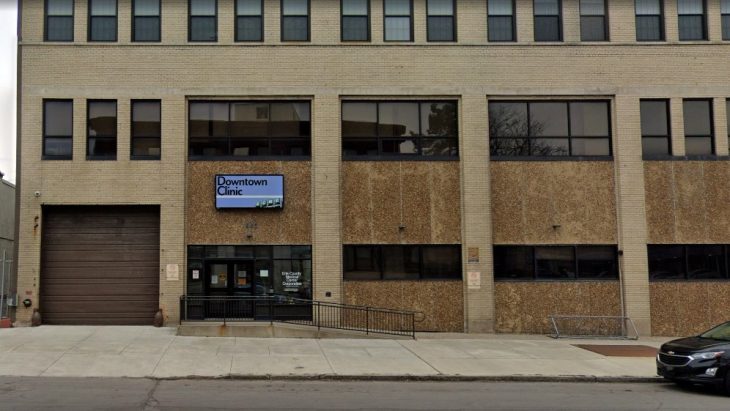
About ECMC Substance Abuse Downtown Clinic 2nd Floor
Those suffering from substance use disorders can receive comprehensive medication assisted treatment (MAT) at ECMC Downtown Clinical Services in downtown Buffalo New York. They provide Suboxone, naltrexone and Vivitrol alongside outpatient programs designed to address a range of needs.
You can anticipate receiving compassionate care from qualified counselors, psychiatric nurse practitioners and psychiatrists as soon as you walk into their facility. Every visit centers on your experience emphasizing individualized support and care. Substance use assessments, group therapy, short and long term counseling and psychiatric consultations are among the services offered.
To ensure that language barriers do not prevent the Spanish-speaking community from accessing essential services, bilingual counselors are on hand. Their commitment to high quality care is demonstrated by the certification of their outpatient programs by The Joint Commission and the New York State Office of Addiction Services and Supports.
With the help of their structured programs, you can anticipate receiving treatment that highlights your strengths and gives you the skills you need to maintain your wellness. Every step is intended to help you get closer to your life objectives so you can concentrate on your recovery in a safe setting.
Together, you and the caring professionals at this facility will work through the challenges of recovering from diseases like drug and alcohol addiction including chronic relapse. Buffalo is a pretty cosmopolitan urban city, and you’ll be able to connect with peers who can share experiences and offer a shoulder to lean on when times get tough. That way, you won’t have to recover alone.
| Levels of Care | Detox Service Setting | Programs | Payment Options | ||||
|---|---|---|---|---|---|---|---|
|
Outpatient
|
Aftercare programs provide ongoing support once you complete a rehab program. They may include several components to help you maintain sobriety, including therapy, community support groups, and relapse-prevention strategies. This gives you a network of resources as you reintegrate into daily life. |
Dual Diagnosis
|
Intensive Outpatient
|
||||
|
Outpatient detox gives you access to medically supervised withdrawal services while still allowing you to live at home. You’ll attend a clinic for treatment and monitoring. This flexible option is suitable for those with mild to moderate withdrawal symptoms who have strong support systems. |
Medication assisted treatment combines medication and counseling to manage withdrawal and reduce cravings for opioid and alcohol addiction. Medications may include methadone, buprenorphine or naltrexone. MAT is tailored to your needs so you can actively participate in your treatment journey. |
||||||
|
Adult programs include job support and life skills training in a structured environment. Services are designed to address the substance use and life challenges specific to adults. Therapy sessions happen in individual, group and family settings.
|
Alcohol detox programs offer medical support to help individuals withdraw safely from alcohol. Your care team may use medications to ease your symptoms, and they may provide medical monitoring to address complications.
|
Cognitive behavioral therapy focuses on changing harmful thought patterns and behaviors associated with addiction. You’ll learn healthier coping mechanisms by identifying and replacing negative thoughts. This improves your emotional resilience and decreases your relapse potential.
|
Men's programs address substance use while also considering the social pressures, family roles, and mental health concerns specific to men. Participants learn healthy coping mechanisms, build emotional resilience, and develop communication skills.
|
Opioid detox uses medications to ease severe withdrawal symptoms. It includes medical supervision to help you manage potential complications. These services allow you to stabilize safely and begin a recovery plan.
|
Rational behavior therapy helps you identify irrational beliefs that contribute to an addiction. Challenging and modifying those beliefs helps you develop healthier attitudes and behaviors. This therapy supports long-term sobriety and sustainable recovery.
|
Women's programs offer a safe and supportive space to focus on gender-specific issues such as trauma, family roles, and mental health conditions. Therapists tailor the sessions to address women's needs and foster empowerment in a healing and nurturing environment.
|
Young adult programs are designed for individuals who are transitioning into adulthood. Topics of discussion typically include identity, independence, and peer relationships. Providers may also offer life-skills training and career support.
|
|
Payment Assistance
|
Medicaid
|
Military Insurance
|
Private Insurance
|
Self Pay
|
Medicare
|
Levels of Care
Aftercare programs provide ongoing support once you complete a rehab program. They may include several components to help you maintain sobriety, including therapy, community support groups, and relapse-prevention strategies. This gives you a network of resources as you reintegrate into daily life.
Detox Service Setting
Outpatient detox gives you access to medically supervised withdrawal services while still allowing you to live at home. You’ll attend a clinic for treatment and monitoring. This flexible option is suitable for those with mild to moderate withdrawal symptoms who have strong support systems.
Medication assisted treatment combines medication and counseling to manage withdrawal and reduce cravings for opioid and alcohol addiction. Medications may include methadone, buprenorphine or naltrexone. MAT is tailored to your needs so you can actively participate in your treatment journey.
Programs
Amenities
Accreditations


Accepted Insurance
Contact


- Monday 8AM - 4PM
- Tuesday 8AM - 4PM
- Wednesday 8AM - 4PM
- Thursday 8AM - 4PM
- Friday 8AM - 4PM


Peter W.Y. Lee is a historian with a focus in American Cold War culture. He has examined how popular culture has served as a coping mechanism for the challenges and changes impacting American society throughout the twentieth century.
Detox.com regularly reviews this listing for accuracy but changes may occur between updates. For the most up-to-date information, please contact ECMC Substance Abuse Downtown Clinic 2nd Floor.
Nearby Detox Centers
Search by New York Cities
FAQs
What outpatient detox and substance abuse services does ECMC Downtown offer?
ECMC Downtown Clinic provides outpatient substance use treatment services at its 2nd Floor location on Main Street in Buffalo. Services include assessment, individual and group counseling, medication-assisted treatment for opioid use disorder, intensive outpatient programming, and case management. The facility also offers specialized DWI/DUI and problem gambling services.
Does ECMC Downtown provide medication-assisted treatment for opioid detox?
Yes, ECMC Downtown Clinic offers medication-assisted treatment (MAT) for opioid use disorder. The facility provides both methadone and buprenorphine (Suboxone) as medication options, combined with counseling and recovery support services to help individuals manage withdrawal and build long-term recovery.
What insurance plans does ECMC Downtown accept for substance abuse treatment?
ECMC Downtown Clinic accepts Medicaid, Medicare, and many private health insurance plans. For individuals without insurance or with coverage gaps, the facility offers financial assistance programs for those who qualify. Contact the clinic directly to verify specific insurance coverage and discuss payment options.
What counseling services are available at ECMC Downtown substance abuse clinic?
ECMC Downtown provides individual counseling, group counseling, and family counseling as part of outpatient substance use treatment. Counseling focuses on assessment, relapse prevention, and care coordination. These services work alongside medication-assisted treatment and case management to support recovery.
Can individuals with alcohol and drug use disorders get treatment at ECMC Downtown?
ECMC Downtown Clinic’s Substance Use Treatment Services provide outpatient care for individuals struggling with alcohol and other drug use. The facility offers comprehensive, evidence-based treatment including assessment, counseling, medication-assisted treatment for opioid use, and referrals to additional ECMC behavioral health resources when needed.