800-262-4205
FLACRA Farmington Clinic

About FLACRA Farmington Clinic
The Finger Lakes Area Counseling and Recovery Agency (FLACRA) was established in 1973. They support individuals across the Finger Lake region of New York overcome substance use and mental health changes. They offer a unique continuum of care ranging from medical detox and inpatient rehab to outpatient services, supportive housing and many more.
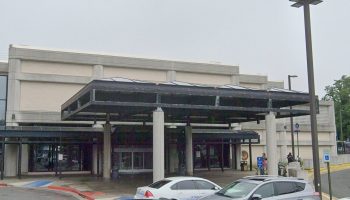
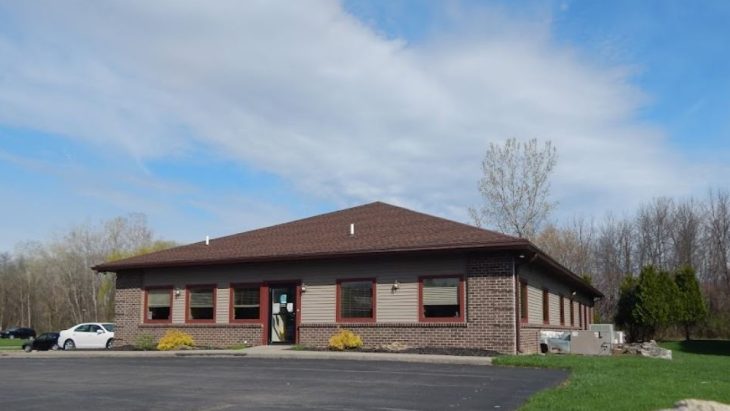
The Farmington Clinic is an outpatient center operated by FLACRA. Located on in Farmington, the facility sits just a mile west of Farmbrook Park and about three miles south of both the Farmington Quaker Crossroads Historic District and the 1816 Farmington Quaker Meetinghouse.
They serve adults, adolescents and families facing substance use and co-occurring disorders. I like how they make quality care accessible to all by offering discounts and sliding fee scale rates. This ensures no one is denied treatment because of financial barriers.
Strength-Based and Medication-Supported Recovery
FLACRA’s Farmington Outpatient Clinic delivers strength-based outpatient support that fosters resilience and facilitates long-term success. Following a detailed intake evaluation, you’ll work with the care team to create a personalized recovery plan tailored to your unique needs.
Your tailored care may include buprenorphine or naltrexone prescriptions through medication-assisted treatment to ease withdrawal symptoms and eliminate physiological cravings. This grants you the clarity needed to manage underlying psychological issues and build effective coping skills through behavioral therapy.
What to Expect in the Program
Programming here includes specialized relapse prevention sessions that offer deeper insights into relapse warning signs and mechanisms to help you stay grounded. Family navigators are available to help your loved ones understand the recovery process.
These experts provide education, emotional support and practical resources to strengthen your family’s role in your healing process and help rebuild family connections. You’ll also benefit from the guidance and encouragement of a certified peer coach who offers firsthand insight and keeps you motivated by drawing from their own lived experience in recovery.
Your care team will connect you to community or county services to help you navigate practical needs like housing, employment and transportation, ensuring stability as you move forward. Most successful clients become part of FLACRA’s ongoing advisory group as a way to give back to the community and foster a sense of purpose, connection and continued growth in recovery.
| Levels of Care | Detox Service Setting | Programs | Payment Options | |||
|---|---|---|---|---|---|---|
|
Outpatient
|
Aftercare programs provide ongoing support once you complete a rehab program. They may include several components to help you maintain sobriety, including therapy, community support groups, and relapse-prevention strategies. This gives you a network of resources as you reintegrate into daily life. |
Dual Diagnosis
|
||||
|
Outpatient detox gives you access to medically supervised withdrawal services while still allowing you to live at home. You’ll attend a clinic for treatment and monitoring. This flexible option is suitable for those with mild to moderate withdrawal symptoms who have strong support systems. |
||||||
|
Adult programs include job support and life skills training in a structured environment. Services are designed to address the substance use and life challenges specific to adults. Therapy sessions happen in individual, group and family settings.
|
Alcohol detox programs offer medical support to help individuals withdraw safely from alcohol. Your care team may use medications to ease your symptoms, and they may provide medical monitoring to address complications.
|
Drug detox programs support individuals who are withdrawing from addictive substances like cocaine and heroin. Medical support helps you manage symptoms in a controlled and safe environment so you can achieve initial sobriety.
|
Men's programs address substance use while also considering the social pressures, family roles, and mental health concerns specific to men. Participants learn healthy coping mechanisms, build emotional resilience, and develop communication skills.
|
Opioid detox uses medications to ease severe withdrawal symptoms. It includes medical supervision to help you manage potential complications. These services allow you to stabilize safely and begin a recovery plan.
|
Women's programs offer a safe and supportive space to focus on gender-specific issues such as trauma, family roles, and mental health conditions. Therapists tailor the sessions to address women's needs and foster empowerment in a healing and nurturing environment.
|
Young adult programs are designed for individuals who are transitioning into adulthood. Topics of discussion typically include identity, independence, and peer relationships. Providers may also offer life-skills training and career support.
|
|
Payment Assistance
|
Medicaid
|
Medicare
|
Military Insurance
|
Private Insurance
|
Self Pay
|
Levels of Care
Aftercare programs provide ongoing support once you complete a rehab program. They may include several components to help you maintain sobriety, including therapy, community support groups, and relapse-prevention strategies. This gives you a network of resources as you reintegrate into daily life.
Detox Service Setting
Outpatient detox gives you access to medically supervised withdrawal services while still allowing you to live at home. You’ll attend a clinic for treatment and monitoring. This flexible option is suitable for those with mild to moderate withdrawal symptoms who have strong support systems.
Programs
Accepted Insurance



Contact



Chika Uchendu has expertise in personal finance, technology, and health. His journalism and digital marketing background enables him to combine data-driven analysis with engaging storytelling. Chika uses his voice to drive awareness and meaningful change among people dealing with the pandemic of substance use disorder. Chika is an ambivert who enjoys sports, hiking, reading, and video gaming.

Courtney Myers writes and edits professionally from her home in North Carolina. She holds an MS in Technical Communication from N.C. State University and has worked in proposal management, marketing, and online content creation. She specializes in creating resources related to behavioral health and addiction recovery.
Detox.com regularly reviews this listing for accuracy but changes may occur between updates. For the most up-to-date information, please contact FLACRA Farmington Clinic.