800-262-4205
Fulton Friendship House
About Fulton Friendship House
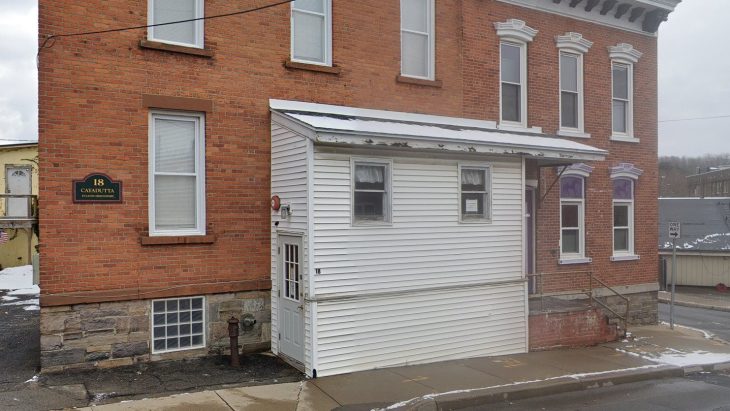
Fulton Friendship House in Gloversville, New York, offers inpatient detoxification and substance use disorder treatment and outpatient aftercare for adult men.
Inpatient Detox Services
Men who face addiction and need inpatient detoxification can find the help they need at Fulton Friendship House. The use of medically assisted detox is especially important for people who have alcohol, opioid, benzodiazepine and certain stimulant addiction. Their professional staff are there to monitor for complications and administer medications that help curb craving and decrease withdrawal symptoms. In addition, there are addiction specialists available to provide support through individual and group counseling sessions that help you get started on the path to long term recovery.
Residential Treatment and Aftercare Support
The inpatient or residential treatment program at Fulton Friendship House provides comprehensive addiction recovery care. Residential treatment provides a safe and secure environment free of the outside triggers that can make the earliest days of recovery difficult. Men find peer to peer support during group therapy sessions and receive one on one counseling with their addiction counselors that address the issues that contribute to their addiction. Fulton Friendship House encourages family involvement to enhance the external support systems that are an important component of recovery.
Men who have completed a residential treatment program but need continued support can utilize their transitional housing or halfway house. These residential programs help to bridge the gap between treatment and returning to society by providing ongoing relapse prevention skills as well as life skills.
How To Pay for Treatment
Fulton Friendship House accepts many commercial insurance plans, Medicaid and Medicare, military insurance and other state financed health insurance plans. Individuals who qualify are offered a sliding scale fee payment program.
| Levels of Care | Detox Service Setting | Programs | Payment Options | |||
|---|---|---|---|---|---|---|
|
Inpatient
|
Aftercare programs provide ongoing support once you complete a rehab program. They may include several components to help you maintain sobriety, including therapy, community support groups, and relapse-prevention strategies. This gives you a network of resources as you reintegrate into daily life. |
Sober Living
|
||||
|
Inpatient detox occurs in a dedicated treatment facility. You’ll live there around the clock and receive intensive medical support and supervision to help manage your withdrawal symptoms. It is suitable for individuals with moderate to severe addictions as it ensures a stable detox environment. |
||||||
|
Adult programs include job support and life skills training in a structured environment. Services are designed to address the substance use and life challenges specific to adults. Therapy sessions happen in individual, group and family settings.
|
Alcohol detox programs offer medical support to help individuals withdraw safely from alcohol. Your care team may use medications to ease your symptoms, and they may provide medical monitoring to address complications.
|
Cognitive behavioral therapy focuses on changing harmful thought patterns and behaviors associated with addiction. You’ll learn healthier coping mechanisms by identifying and replacing negative thoughts. This improves your emotional resilience and decreases your relapse potential.
|
Drug detox programs support individuals who are withdrawing from addictive substances like cocaine and heroin. Medical support helps you manage symptoms in a controlled and safe environment so you can achieve initial sobriety.
|
Men's programs address substance use while also considering the social pressures, family roles, and mental health concerns specific to men. Participants learn healthy coping mechanisms, build emotional resilience, and develop communication skills.
|
Opioid detox uses medications to ease severe withdrawal symptoms. It includes medical supervision to help you manage potential complications. These services allow you to stabilize safely and begin a recovery plan.
|
Young adult programs are designed for individuals who are transitioning into adulthood. Topics of discussion typically include identity, independence, and peer relationships. Providers may also offer life-skills training and career support.
|
|
Self Pay
|
Levels of Care
Aftercare programs provide ongoing support once you complete a rehab program. They may include several components to help you maintain sobriety, including therapy, community support groups, and relapse-prevention strategies. This gives you a network of resources as you reintegrate into daily life.
Detox Service Setting
Inpatient detox occurs in a dedicated treatment facility. You’ll live there around the clock and receive intensive medical support and supervision to help manage your withdrawal symptoms. It is suitable for individuals with moderate to severe addictions as it ensures a stable detox environment.
Programs
Amenities
Accreditations

Contact



Cary has more than three decades of nursing expertise as an LPN and holds a bachelor’s degree in Liberal Arts. She is also working toward a Master’s degree focused on public health policy. Her professional journey has been dedicated to addressing healthcare disparities for both adults and children.

Kerry Nenn is a full-time freelance writer and prize-winning author. She contributes regularly to addiction-recovery sites, international journal publications, and Christian ministries. Her published works include 10 books and myriad articles. Her work has received recognition both locally and nationally.
Detox.com regularly reviews this listing for accuracy but changes may occur between updates. For the most up-to-date information, please contact Fulton Friendship House.