617-586-3439
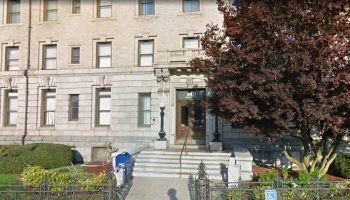
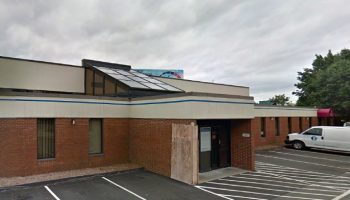
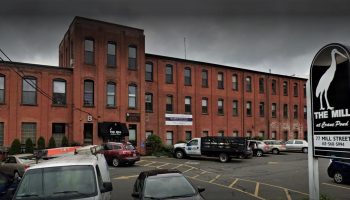
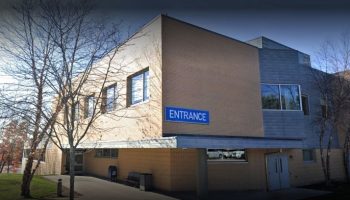
Springfield sits at the center of Hampden County’s addiction recovery system, serving as the county seat and home to the majority of the region’s treatment infrastructure.
Therefore, detox and substance use disorder treatment facilities operating in the city must be licensed by the Massachusetts Bureau of Substance Addiction Services (BSAS), a division of the Massachusetts Department of Public Health. BSAS issues licenses, monitors compliance with state standards and funds community-based programs across Western Massachusetts.
The opioid crisis has hit Springfield harder than nearly any other city in the state. In fact, Hampden County has consistently recorded among the highest opioid overdose rates in Massachusetts, and Springfield alone accounted for 40 percent of the county’s overdose deaths in 2021.
As a result, local officials have responded with coordinated infrastructure: the Hampden County Addiction Taskforce (HCAT), co-led by the Hampden District Attorney’s Office and the Hampden County Sheriff’s Office, runs a data-driven Rapid Response and Connection Team that reaches people within 24 to 72 hours of an overdose event.
On the clinical side, the city’s treatment options span medically supervised inpatient detox, outpatient programs and multiple medication-assisted treatment clinics.
Public safety-net providers like BHN Carlson Recovery Center operate on sliding scale payment schedules and accept MassHealth, meaning cost is not an absolute barrier to care.
Furthermore, a 2024 Massachusetts law (St. 2024, c. 285) now bans insurance prior authorization for the first 72 hours of substance use disorder treatment, removing a critical administrative hurdle during the most acute phase of care.