

 800-262-4205
High Point Treatment Center Outpatient Clinic

About High Point Treatment Center Outpatient Clinic
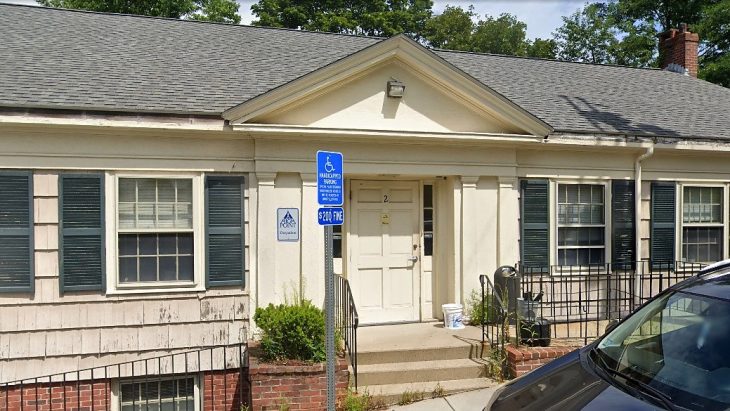
High Point Treatment Center is a healthcare provider that offers a range of services to men and women who are struggling with addiction including addictions to opioids. They have an outpatient clinic in a secluded corner of Plymouth, Massachusetts. North Triangle Pond isn’t too far away.
This outpatient clinic provides educational services and other support that will help you move through recovery. They also have an opioid recovery program where you can receive daily medication doses to help you manage your cravings.
The opioid treatment program at their Plymouth outpatient program takes a person focused approach to the care they offer. When you start the opioid program, you’ll get access to medication assisted treatment using FDA approved buprenorphine (Suboxone) and naltrexone (Vivitrol).
There are also supports here including psycho educational groups where topics including relapse prevention, domestic violence, and health and wellness are covered. HIV/AIDS educational services and tobacco and smoking cessation services are also offered through the clinic.
At High Point, you can also get connected to self help services throughout the community. This might include groups like Alcoholics Anonymous and Narcotics Anonymous.
As a nonprofit organization, they’re committed to servicing residents who are ready for recovery. They apply what’s known as the NIDA Principles of Effective Treatment. Under this method, they recognize that effective recovery happens when you are ready to start your journey to sobriety.
If you have a co-occurring mental health struggle, you can also get connected to appropriate care under this mode. Once you begin care here, you’ll get connected to a network of support which can include access to residential care if your circumstances require it.
| Levels of Care | Detox Service Setting | Programs | Payment Options | ||
|---|---|---|---|---|---|
|
In outpatient therapy, you’ll attend therapy sessions several times each week while living at home. This is ideal if you have a strong support system and a lower risk of relapse. Outpatient treatment offers flexibility to maintain work, school or family obligations. |
Aftercare programs provide ongoing support after you complete a rehab program. They may include several components to help you maintain sobriety including therapy, community support groups and relapse prevention strategies. This gives you a network of resources as you reintegrate into your daily life. |
Dual diagnosis programs address substance use disorders and co-occurring mental health conditions simultaneously. This integrated approach to care improves the likelihood of long term recovery and stability by addressing the root causes of addiction. |
An intervention is a structured and professionally guided conversation with an individual who is struggling with addiction. During the conversation, family and friends will encourage you to seek treatment. This is often a pivotal step for those resistant to getting help. |
||
|
Outpatient detox gives you access to medically supervised withdrawal services while still allowing you to live at home. You’ll attend a clinic for treatment and monitoring. This flexible option is suitable for those with mild to moderate withdrawal symptoms who have strong support systems. |
|||||
|
Adult programs address the substance use and life challenges specific to adults. Therapists can deliver sessions in individual, group and family settings. Services often include job support and life skills training in a structured environment.
|
Alcohol detox programs offer medical support to help individuals withdraw safely from alcohol. Your care team may use medications to ease your symptoms and provide medical monitoring to address complications.
|
Men's programs address substance use while also considering the social pressures, family roles and mental health concerns that are specific to men. You’ll learn healthy coping mechanisms as you build emotional resilience and develop communication skills.
|
Opioid detox uses medications to ease severe withdrawal symptoms. It also includes medical supervision to help you manage potential complications. These services allow you to stabilize and begin a recovery plan.
|
Women's programs offer a safe and supportive space to focus on gender specific issues such as trauma, family roles and mental health conditions. Therapists tailor the sessions to address women's needs and foster empowerment in a healing and nurturing environment.
|
Young adult programs are designed for individuals who are transitioning into adulthood. Topics of discussion typically include identity, independence and peer relationships. Providers may also offer life skills training and career support.
|
|
Payment Assistance
|
Medicaid
|
Medicare
|
Military Insurance
|
Private Insurance
|
Self Pay
|
Levels of Care
In outpatient therapy, you’ll attend therapy sessions several times each week while living at home. This is ideal if you have a strong support system and a lower risk of relapse. Outpatient treatment offers flexibility to maintain work, school or family obligations.
Aftercare programs provide ongoing support after you complete a rehab program. They may include several components to help you maintain sobriety including therapy, community support groups and relapse prevention strategies. This gives you a network of resources as you reintegrate into your daily life.
Dual diagnosis programs address substance use disorders and co-occurring mental health conditions simultaneously. This integrated approach to care improves the likelihood of long term recovery and stability by addressing the root causes of addiction.
An intervention is a structured and professionally guided conversation with an individual who is struggling with addiction. During the conversation, family and friends will encourage you to seek treatment. This is often a pivotal step for those resistant to getting help.
Detox Service Setting
Outpatient detox gives you access to medically supervised withdrawal services while still allowing you to live at home. You’ll attend a clinic for treatment and monitoring. This flexible option is suitable for those with mild to moderate withdrawal symptoms who have strong support systems.
Programs
Accreditations

Contact


- Monday 5AM - 8PM
- Tuesday 5AM - 8PM
- Wednesday 5AM - 8PM
- Thursday 5AM - 8PM
- Friday 5AM - 8PM
- Saturday 5:30AM - 5PM
- Sunday 5:30AM - 5PM

Nadia holds a Master’s in Secondary Education and serves secondary ed. students and their families through the Shenandoah Valley. When she’s not working with students, Nadia is a contributing writer at LawCommentary.com, offering legal insight into laws, regulations, and accountability concerning the national opioid epidemic.

Peter W.Y. Lee is a historian with a focus in American Cold War culture. He has examined how popular culture has served as a coping mechanism for the challenges and changes impacting American society throughout the twentieth century.
Detox.com regularly reviews this listing for accuracy but changes may occur between updates. For the most up-to-date information, please contact High Point Treatment Center Outpatient Clinic.
Nearby Detox Centers


Search by Massachusetts Cities
FAQs
Does High Point Treatment Center offer outpatient detox in Plymouth, Massachusetts?
Yes, High Point Treatment Center Outpatient Clinic in Plymouth provides outpatient detox services. Individuals receive medical supervision and withdrawal management while living at home and attending scheduled appointments at the facility’s School Street location.
What is the difference between outpatient detox and inpatient detox programs?
Outpatient detox allows individuals to receive medical supervision and medication-assisted treatment during the day while returning home at night. Inpatient detox requires 24-hour residential supervision. High Point Treatment Center’s outpatient model suits those with stable housing and mild to moderate withdrawal symptoms.
Who is a good candidate for outpatient detoxification at this facility?
Candidates for High Point Treatment Center’s outpatient detox typically have mild to moderate withdrawal risk, a safe home environment, reliable transportation to appointments, and strong motivation for treatment. The medical team assesses each person during intake to determine if outpatient care is appropriate.
How often do patients attend appointments during outpatient detox?
Outpatient detox frequency varies based on individual needs and withdrawal severity. High Point Treatment Center’s clinical team tailors the appointment schedule during the initial assessment, typically involving multiple visits per week during early detox.
What medications does High Point Treatment Center use during outpatient detox?
High Point Treatment Center uses medications to manage withdrawal symptoms and cravings during outpatient detox. The specific medication plan depends on the substance of use and individual health factors, determined by the medical team during intake and ongoing assessment.