

 800-262-4205
Interfaith Medical Center
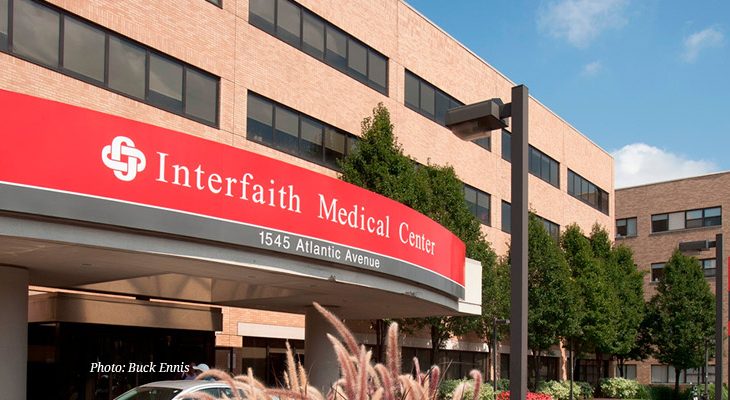
About Interfaith Medical Center
Interfaith Medical Center in Brooklyn, New York support clients through multiple steps of recovery. They have medical detox, residential treatment, and outpatient addiction treatment options for adults. They can also treat co occurring mental health and addiction disorders, which require integrated treatment for you to reach recovery.
Those who need help with detox can get medical supervision to support them through withdrawal symptoms and help them prepare for treatment. From there, you can transfer to the residential treatment program or join the full day (PHP) program or intensive outpatient program (IOP), depending on your needs.
The treatment options use a combination of evidence based treatment and holistic approaches such as creative art therapy groups. Outpatient treatment focuses on relapse prevention, protecting your health and preparing you for full time work and independent living.
One unique element of the Interfaith Medical Center is that they have an HIV/AIDS program, which can be associated with certain types of substance use. HIV/AIDS treatment includes support groups, care coordination, PREP Treatment and assistance groups. Everything you need to stay healthy is available at Interfaith Medical Center, making it easy to manage your illness and your recovery in the same place.
There is an Opioid Treatment Program at a different clinic that combines medication with counseling to help those struggling with opioid dependency. Interfaith Medical Center can refer you to that location if medication assisted treatment (MAT) makes sense for you.
This center aims to provide high quality treatment at every step of your journey, from the very beginning of medical detox through the maintenance of general outpatient care. They can also provide targeted medical care, including HIV/AIDS care, which helps clients get everything they need all in one place.
| Levels of Care | Detox Service Setting | Programs | Payment Options | Medications Offered |
|---|---|---|---|---|
|
Inpatient and residential programs provide round-the-clock medical and emotional support as you live at the treatment facility. This level of care may be recommended if you have severe addictions or mental health conditions since it removes outside distractions and allows you to focus solely on therapy. |
||||
|
Inpatient detox occurs in a dedicated treatment facility. You’ll live there around the clock and receive intensive medical support and supervision to help manage your withdrawal symptoms. It is suitable for individuals with moderate to severe addictions as it ensures a stable detox environment. |
Hospital detoxification allows you to withdraw from drugs or alcohol in a hospital setting. It’s ideal for people with severe withdrawal symptoms or complex medical needs. You’ll receive constant monitoring, emergency care if needed and FDA approved prescription medications. |
Medication assisted treatment combines medication and counseling to manage withdrawal and reduce cravings for opioid and alcohol addiction. Medications may include methadone, buprenorphine or naltrexone. MAT is tailored to your needs so you can actively participate in your treatment journey. |
||
|
Young adult programs are designed for individuals who are transitioning into adulthood. Topics of discussion typically include identity, independence and peer relationships. Providers may also offer life skills training and career support. |
Adult programs address the substance use and life challenges specific to adults. Therapists can deliver sessions in individual, group and family settings. Services often include job support and life skills training in a structured environment. |
Women's programs offer a safe and supportive space to focus on gender specific issues such as trauma, family roles and mental health conditions. Therapists tailor the sessions to address women's needs and foster empowerment in a healing and nurturing environment. |
Men's programs address substance use while also considering the social pressures, family roles and mental health concerns that are specific to men. You’ll learn healthy coping mechanisms as you build emotional resilience and develop communication skills. |
|
|
Medicaid
|
Medicare
|
State Family Services
|
Private Insurance
|
Self Pay
|
|
Methadone
|
Buprenorphine
|
Naltrexone (Vivitrol)
|
Levels of Care
Inpatient and residential programs provide round-the-clock medical and emotional support as you live at the treatment facility. This level of care may be recommended if you have severe addictions or mental health conditions since it removes outside distractions and allows you to focus solely on therapy.
Detox Service Setting
Inpatient detox occurs in a dedicated treatment facility. You’ll live there around the clock and receive intensive medical support and supervision to help manage your withdrawal symptoms. It is suitable for individuals with moderate to severe addictions as it ensures a stable detox environment.
Hospital detoxification allows you to withdraw from drugs or alcohol in a hospital setting. It’s ideal for people with severe withdrawal symptoms or complex medical needs. You’ll receive constant monitoring, emergency care if needed and FDA approved prescription medications.
Medication assisted treatment combines medication and counseling to manage withdrawal and reduce cravings for opioid and alcohol addiction. Medications may include methadone, buprenorphine or naltrexone. MAT is tailored to your needs so you can actively participate in your treatment journey.
Programs
Young adult programs are designed for individuals who are transitioning into adulthood. Topics of discussion typically include identity, independence and peer relationships. Providers may also offer life skills training and career support.
Adult programs address the substance use and life challenges specific to adults. Therapists can deliver sessions in individual, group and family settings. Services often include job support and life skills training in a structured environment.
Women's programs offer a safe and supportive space to focus on gender specific issues such as trauma, family roles and mental health conditions. Therapists tailor the sessions to address women's needs and foster empowerment in a healing and nurturing environment.
Men's programs address substance use while also considering the social pressures, family roles and mental health concerns that are specific to men. You’ll learn healthy coping mechanisms as you build emotional resilience and develop communication skills.
Medications Offered
Amenities
Accreditations

Contact


- Monday Open 24 hours
- Tuesday Open 24 hours
- Wednesday Open 24 hours
- Thursday Open 24 hours
- Friday Open 24 hours
- Saturday Open 24 hours
- Sunday Open 24 hours

Anna Spooner has spent more than a decade writing about addiction and healthcare topics. She loves helping people understand their treatment options and removing the anxiety they might feel about seeking help. Anna lives in the Midwestern US with her husband and two cats.
Nearby Detox Centers


Search by New York Cities
FAQs
Does Interfaith Medical Center in Brooklyn offer medical detoxification services?
Interfaith Medical Center is located in Brooklyn and provides medical detoxification as part of its inpatient services. The facility offers supervised withdrawal management for individuals dependent on alcohol, opioids, and other substances. For specific details about available detox programs and medical oversight, contact the facility directly through its website at interfaithmedical.com.
What substances can be treated during detox at Interfaith Medical Center?
Interfaith Medical Center’s detoxification services address dependence on alcohol, opioids, and other drugs. The medical team provides tailored withdrawal management based on the substance of use and individual medical history. Prospective patients should reach out to the facility to discuss their specific substance use and treatment options.
How does the admission process work for detoxification at Interfaith Medical Center?
Admission to detoxification services at Interfaith Medical Center in Brooklyn begins with an initial assessment to evaluate medical history, substance use, and treatment needs. The facility’s intake team coordinates the admission process and can answer questions about documentation, insurance, and next steps. Individuals and families can contact the center through its website to begin the intake process.
What insurance plans does Interfaith Medical Center accept for detox services?
Interfaith Medical Center accepts multiple insurance plans for its detoxification and inpatient services. Coverage and payment options vary by plan and individual circumstances. Patients should contact the facility’s financial services team to verify insurance coverage, discuss out-of-pocket costs, and explore payment arrangements.