800-262-4205
Pine Rest Campus Clinic
 Own this listing?
Claim it
Own this listing?
Claim it
About Pine Rest Campus Clinic
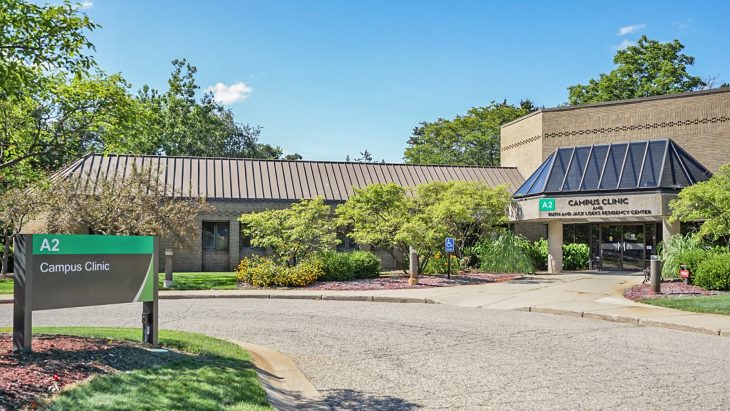
Pine Rest Campus Clinic is an outpatient behavioral health clinic on Pine Rest’s Cutlerville campus, serving Grand Rapids and southern Kent County with licensed clinicians.
The team provides in person and virtual therapy, psychiatric evaluations and medication management for children and adolescents, adults and older adults, couples and families.
As an outpatient front door to Pine Rest’s larger continuum of care, the clinic meets you where you are while offering a clear pathway to more intensive support when needed.
Counseling Across the Lifespan
The Campus Clinic specializes in all ages outpatient counseling, treating anxiety, depression and ADHD, PTSD and trauma, grief and loss, anger management, relationship issues and parent child conflict.
Licensed clinicians tailor care for individuals, couples and families, backed by Pine Rest’s broader behavioral health and addiction treatment network.
Sessions may draw on approaches like cognitive behavioral therapy, interpersonal therapy and motivational interviewing, psychodynamic therapy and family therapy.
Intensive outpatient groups and psychiatric care add structure and support, addressing both day to day symptoms and the underlying issues that fuel them.
Inclusive and Whole Person Care
Pine Rest Campus Clinic offers LGBTQ+ inclusive care and Spanish speaking outpatient therapy, along with spiritual care for those who want it.
The clinic’s Healthy Living Group focuses on mood regulation with a curriculum spanning stress coping and sleep hygiene, values and relapse prevention planning, where one participant shared that peer support helped them push beyond what they thought they could handle.
Access and Next Steps
The clinic is located in Building A, Entrance A2 on Pine Rest’s Cutlerville campus in Grand Rapids, offering both in person and virtual services with convenient Route 10 bus access.
Pine Rest accepts most insurance, including Medicaid and Medicare, and financial assistance may be available for qualifying participants.
| Levels of Care | Detox Service Setting | Programs | Payment Options | ||
|---|---|---|---|---|---|
|
Inpatient and residential programs provide round-the-clock medical and emotional support as you live at the treatment facility. This level of care may be recommended if you have severe addictions or mental health conditions since it removes outside distractions and allows you to focus solely on therapy. |
Aftercare programs provide ongoing support after you complete a rehab program. They may include several components to help you maintain sobriety including therapy, community support groups and relapse prevention strategies. This gives you a network of resources as you reintegrate into your daily life. |
Dual diagnosis programs address substance use disorders and co-occurring mental health conditions simultaneously. This integrated approach to care improves the likelihood of long term recovery and stability by addressing the root causes of addiction. |
Sober living homes provide a supportive and substance free environment for you to live in as you overcome your addiction. Residents must follow house rules and support each other’s recovery journeys. Sober living fosters accountability and stability during this critical phase of recovery. |
||
|
Inpatient detox occurs in a dedicated treatment facility. You’ll live there around the clock and receive intensive medical support and supervision to help manage your withdrawal symptoms. It is suitable for individuals with moderate to severe addictions as it ensures a stable detox environment. |
|||||
|
Adult programs address the substance use and life challenges specific to adults. Therapists can deliver sessions in individual, group and family settings. Services often include job support and life skills training in a structured environment.
|
Alcohol detox programs offer medical support to help individuals withdraw safely from alcohol. Your care team may use medications to ease your symptoms and provide medical monitoring to address complications.
|
Cognitive behavioral therapy focuses on changing harmful thought patterns and behaviors associated with addiction. You’ll learn healthier coping mechanisms by identifying and replacing negative thoughts. This improves your emotional resilience and decreases your relapse potential.
|
Men's programs address substance use while also considering the social pressures, family roles and mental health concerns that are specific to men. You’ll learn healthy coping mechanisms as you build emotional resilience and develop communication skills.
|
Opioid detox uses medications to ease severe withdrawal symptoms. It also includes medical supervision to help you manage potential complications. These services allow you to stabilize and begin a recovery plan.
|
Young adult programs are designed for individuals who are transitioning into adulthood. Topics of discussion typically include identity, independence and peer relationships. Providers may also offer life skills training and career support.
|
|
Payment Assistance
|
Medicaid
|
Medicare
|
Military Insurance
|
Private Insurance
|
Self Pay
|
Levels of Care
Inpatient and residential programs provide round-the-clock medical and emotional support as you live at the treatment facility. This level of care may be recommended if you have severe addictions or mental health conditions since it removes outside distractions and allows you to focus solely on therapy.
Aftercare programs provide ongoing support after you complete a rehab program. They may include several components to help you maintain sobriety including therapy, community support groups and relapse prevention strategies. This gives you a network of resources as you reintegrate into your daily life.
Dual diagnosis programs address substance use disorders and co-occurring mental health conditions simultaneously. This integrated approach to care improves the likelihood of long term recovery and stability by addressing the root causes of addiction.
Sober living homes provide a supportive and substance free environment for you to live in as you overcome your addiction. Residents must follow house rules and support each other’s recovery journeys. Sober living fosters accountability and stability during this critical phase of recovery.
Detox Service Setting
Inpatient detox occurs in a dedicated treatment facility. You’ll live there around the clock and receive intensive medical support and supervision to help manage your withdrawal symptoms. It is suitable for individuals with moderate to severe addictions as it ensures a stable detox environment.
Programs
Accreditations

Contact


Natalie is a recent Purdue University graduate where she studied Psychology and Creative Writing. She’s a fierce advocate for others and is committed to always showing up with a compassionate heart. She enjoys writing poetry, dancing, and playing piano in her free time.
Detox.com regularly reviews this listing for accuracy but changes may occur between updates. For the most up-to-date information, please contact Pine Rest Campus Clinic.