717-220-8193

Pittsburgh’s drug and alcohol detoxification network operates at the intersection of major academic medical systems and community-focused public health initiatives. Regulated primarily by the Pennsylvania Department of Drug and Alcohol Programs (DDAP) and the Allegheny County Department of Human Services (DHS), the local landscape relies heavily on integrating addiction medicine with broader medical care.
The region is actively directing funds from ongoing opioid settlement payouts allocated to Allegheny County through 2038 into harm reduction, low-barrier Medication-Assisted Treatment (MAT) and warm handoff programs in hospital emergency departments.
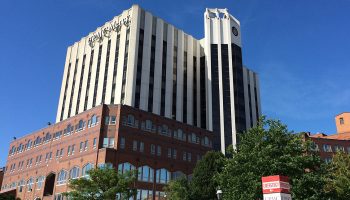
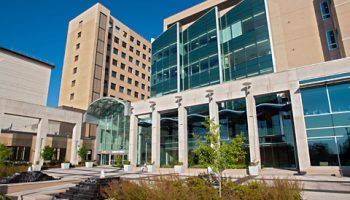
Geographically, Pittsburgh’s treatment centers are concentrated around major medical hubs. Oakland and the East End house large-scale providers associated with UPMC and Allegheny Health Network (AHN), while the South Side and surrounding suburbs host facilities like Gateway Rehab.
Accessibility for those without vehicles is a significant factor. Fortunately, the Pittsburgh Regional Transit (PRT) bus lines and light rail (the “T”) connect many underserved neighborhoods to these central medical corridors. However, for those seeking immediate, state- or county-funded beds, waitlists can be an obstacle.
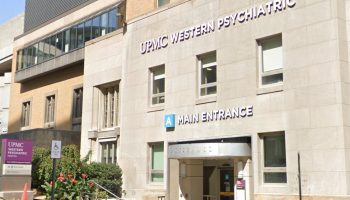
A notable regional initiative is the expansion of Pennsylvania’s Centers of Excellence (COE) for opioid use disorder. Facilities like UPMC Western Psychiatric Hospital and AHN’s Center for Inclusion Health utilize this model to provide aggressive care coordination.
This ensures individuals transitioning out of short-term detox are successfully bridged to long-term residential or outpatient care. This is a critical development for combating the highly potent, fentanyl-heavy drug supply prevalent in southwestern Pennsylvania.