800-262-4205
Tadiso

About Tadiso
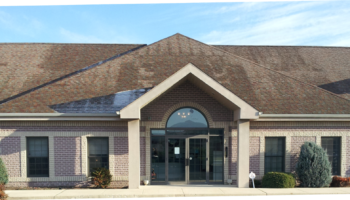
Since 1968, Tadiso has been an outpatient treatment center near the Ohio River and the National Aviary in Pittsburgh, Pennsylvania. They specialize in medication assisted treatment plans for adults with opioid use disorder. They offer Suboxone and methadone, which are two FDA-approved medications that lessen opioid cravings and withdrawal symptoms.
When you’re admitted, you’ll consult with their medical staff to choose the best drug for your course of treatment. You can attend individual, group and family counseling sessions to address a variety of issues pertaining to your opioid use once your medication is stabilized. According to a state mandate, new patients must receive 2-5 hours of counseling per month. This requirement is lowered to one hour per month after two years of enrollment and to just 30 minutes per month after four years.
Topics covered in group therapy sessions include wellness and health, smoking cessation, relapse prevention, as well as music and art therapy. These sessions are intended to assist you in your recuperation and to help participants feel connected to one another.
For additional help with referrals, transportation, and community involvement, recovery support staff are onsite. These mentors can support you on your road to recovery by sharing their personal stories.
They have a designated staff member who provides community case management services to community members who are not enrolled in medication assisted treatment. Onsite childcare services are offered to parents and guardians undergoing treatment guaranteeing a family friendly atmosphere. Every childcare provider is subjected to extensive background checks for security.
They have been granted the highest accreditation possible by CARF International for its outpatient opioid treatment program.
| Levels of Care | Detox Service Setting | Programs | Payment Options | |||||
|---|---|---|---|---|---|---|---|---|
|
Outpatient therapy involves attending therapy sessions several times each week while living at home. This is suitable if you have a strong support system and a lower risk of relapse. Outpatient treatment offers flexibility to maintain other obligations such as work or school. |
Aftercare programs provide ongoing support for those who have completed a rehab program. These supports may include therapy, community groups and relapse prevention strategies. These resources give you a network of support as you reintegrate into daily life. |
Dual diagnosis programs address substance use disorders and co-occurring mental health conditions simultaneously. By addressing the root cause of addiciton, this approach improves the likelihood of long-term recovery and stability. |
||||||
|
Outpatient detox provides access to medically supervised withdrawal services while still allowing the individual to live at home. Treatment and monitoring are provided. This flexible option is suitable for those with mild to moderate withdrawal symptoms who have strong support systems. |
||||||||
|
Adult programs address the substance use and life challenges specific to adults. Therapists often deliver sessions in individual, group, and family settings. Job support and life skills training can also be provided.
|
Alcohol detox programs offer medical support to achieve safe withdraw from alcohol. Your care team may use medications to ease withdrawal symptoms. They also provide medical monitoring to address complications.
|
Cognitive behavioral therapy focuses on changing harmful thought patterns and behaviors associated with addiction. Participants learn healthier coping mechanisms by identifying and replacing negative thoughts. This improves emotional resilience and lowers the risk of relapse.
|
Men's programs address substance use issues as well as social pressures, family roles, and mental health concerns that are specific to men. Participants learn healthy coping mechanisms, emotional resilience, and communication skills.
|
Opioid detox uses medications to ease severe withdrawal symptoms. It also includes medical supervision to manage potential complications. These services allow individuals to stabilize and start a recovery plan.
|
Rational behavior therapy helps participants identify irrational beliefs that contribute to addiction. Challenging and modifying those beliefs helps individuals develop healthier attitudes and behaviors. This therapy supports long-term sobriety.
|
Senior programs address the unique needs of older adults, such as chronic pain and grief. Programs include peer support and medical oversight for age-related health concerns. The goal of these programs is to improve quality of life and promote sobriety as people age.
|
Women's programs offer a safe and supportive space to focus on gender-specific issues such as trauma, family roles, and mental health conditions. Therapy sessions address women's needs and foster empowerment in a healing and nurturing environment.
|
Young adult programs are designed for individuals who are transitioning into adulthood. Discussion topics typically include identity, independence, and peer relationships. Participants may also receive life skills training and career support.
|
|
Payment Assistance
|
Medicaid
|
Self Pay
|
Levels of Care
Outpatient therapy involves attending therapy sessions several times each week while living at home. This is suitable if you have a strong support system and a lower risk of relapse. Outpatient treatment offers flexibility to maintain other obligations such as work or school.
Aftercare programs provide ongoing support for those who have completed a rehab program. These supports may include therapy, community groups and relapse prevention strategies. These resources give you a network of support as you reintegrate into daily life.
Dual diagnosis programs address substance use disorders and co-occurring mental health conditions simultaneously. By addressing the root cause of addiciton, this approach improves the likelihood of long-term recovery and stability.
Detox Service Setting
Outpatient detox provides access to medically supervised withdrawal services while still allowing the individual to live at home. Treatment and monitoring are provided. This flexible option is suitable for those with mild to moderate withdrawal symptoms who have strong support systems.
Programs
Accreditations


Contact




Peter W.Y. Lee is a historian with a focus in American Cold War culture. He has examined how popular culture has served as a coping mechanism for the challenges and changes impacting American society throughout the twentieth century.
Detox.com regularly reviews this listing for accuracy but changes may occur between updates. For the most up-to-date information, please contact Tadiso.