

 800-262-4205
Reading Hospital

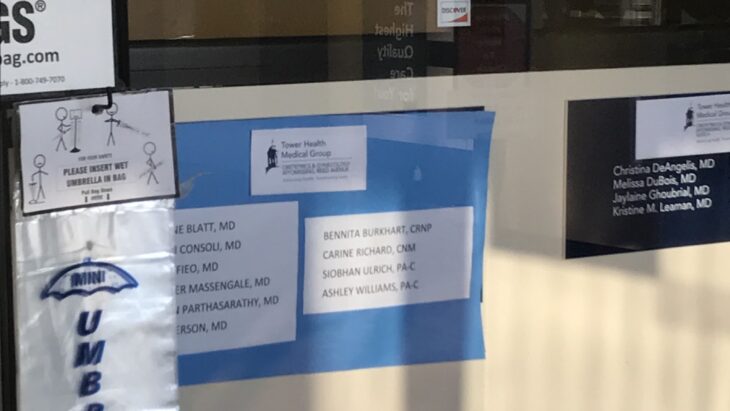
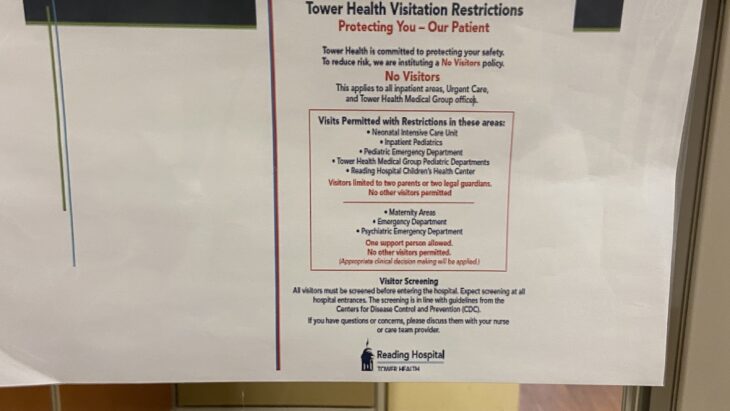

About Reading Hospital
We have been designated by the PA Department of Human Services anOpioid Use Disorder Center of Excellence.
Centers of Excellence help ensure that people with opioid-related substance use disorder stay in treatment to receive follow-up care and are supported within their communities. These centers coordinate care for people with Medicaid, and treatment is team-based and “whole-person” focused, with the goal of integrating emotional and physical care.
Our Care Coordinators connect individuals to medical and treatment services including substance abuse, mental health, primary care, medication-assisted treatment for addiction, pain management, dental, eye care, and other services they may need.
They work closely with Recovery Support Specialists to identify and provide support in developing a plan to resolve unmet needs such as housing, childcare, education/vocational skills, employment, transportation, clothing, food, health insurance, and recovery-friendly recreation and activities.
Recovery Specialists also:
Assist in establishing health recovery support network in the community.
Provide education, information, and support regarding addiction and recovery to individuals struggling with an opioid addiction, family members, agencies, and community groups.
Meet individuals in the community to assist in transitioning to the next level of care.
Assist in re-establishing and improving family and significant relationships.
| Levels of Care | Detox Service Setting | Programs | Payment Options | |||
|---|---|---|---|---|---|---|
|
Inpatient and residential programs provide round-the-clock medical and emotional support as you live at the treatment facility. This level of care may be recommended if you have severe addictions or mental health conditions, because it offers a distraction-free environment where you can focus solely on recovery. |
Outpatient therapy involves attending therapy sessions several times each week while living at home. This is suitable if you have a strong support system and a lower risk of relapse. Outpatient treatment offers flexibility to maintain other obligations such as work or school. |
Partial hospitalization programs provide comprehensive treatment in a structured setting during the day but allow you to return home at night. These programs offer a level of care balanced between inpatient and outpatient rehab. They offer intensive support without full-time residency. |
Aftercare programs provide ongoing support for those who have completed a rehab program. These supports may include therapy, community groups and relapse prevention strategies. These resources give you a network of support as you reintegrate into daily life. |
Reading Hospital’s Behavioral Health & Addiction services address co-occurring mental health conditions such as depression and anxiety alongside substance use disorder treatment and psychiatric care. |
||
|
Hospital detoxification allows you to withdraw from drugs or alcohol in a hospital setting. This option is ideal for people with severe withdrawal symptoms or complex medical needs. Participants receive constant monitoring, emergency care, and FDA-approved medications. |
Outpatient detox provides access to medically supervised withdrawal services while still allowing the individual to live at home. Treatment and monitoring are provided. This flexible option is suitable for those with mild to moderate withdrawal symptoms who have strong support systems. |
Medication-assisted treatment combines medication and counseling to manage withdrawal and reduce cravings. FDA-approved medications include methadone, buprenorphine, and naltrexone. MAT is tailored to each person’s needs, so they can actively participate in treatment. |
||||
|
Adult programs address the substance use and life challenges specific to adults. Therapists often deliver sessions in individual, group, and family settings. Job support and life skills training can also be provided.
|
Young adult programs are designed for individuals who are transitioning into adulthood. Discussion topics typically include identity, independence, and peer relationships. Participants may also receive life skills training and career support.
|
Women's programs offer a safe and supportive space to focus on gender-specific issues such as trauma, family roles, and mental health conditions. Therapy sessions address women's needs and foster empowerment in a healing and nurturing environment.
|
Men's programs address substance use issues as well as social pressures, family roles, and mental health concerns that are specific to men. Participants learn healthy coping mechanisms, emotional resilience, and communication skills.
|
The Soft Landing Program at Reading Hospital specializes in opioid use disorder treatment, providing rapid access to medication options, certified recovery specialists, and referral to community-based recovery resources. |
Reading Hospital’s Addiction Medicine team treats alcohol use disorder through evidence-based care, counseling, and coordinated referrals as part of comprehensive substance use treatment. |
Reading Hospital provides comprehensive care for patients with drug addiction, combining medical evaluation, counseling, and referral to recovery support services in West Reading, PA. |
|
Medicaid
|
Medicare
|
State Family Services
|
Private Insurance
|
Levels of Care
Inpatient and residential programs provide round-the-clock medical and emotional support as you live at the treatment facility. This level of care may be recommended if you have severe addictions or mental health conditions, because it offers a distraction-free environment where you can focus solely on recovery.
Outpatient therapy involves attending therapy sessions several times each week while living at home. This is suitable if you have a strong support system and a lower risk of relapse. Outpatient treatment offers flexibility to maintain other obligations such as work or school.
Partial hospitalization programs provide comprehensive treatment in a structured setting during the day but allow you to return home at night. These programs offer a level of care balanced between inpatient and outpatient rehab. They offer intensive support without full-time residency.
Aftercare programs provide ongoing support for those who have completed a rehab program. These supports may include therapy, community groups and relapse prevention strategies. These resources give you a network of support as you reintegrate into daily life.
Reading Hospital’s Behavioral Health & Addiction services address co-occurring mental health conditions such as depression and anxiety alongside substance use disorder treatment and psychiatric care.
Detox Service Setting
Hospital detoxification allows you to withdraw from drugs or alcohol in a hospital setting. This option is ideal for people with severe withdrawal symptoms or complex medical needs. Participants receive constant monitoring, emergency care, and FDA-approved medications.
Outpatient detox provides access to medically supervised withdrawal services while still allowing the individual to live at home. Treatment and monitoring are provided. This flexible option is suitable for those with mild to moderate withdrawal symptoms who have strong support systems.
Medication-assisted treatment combines medication and counseling to manage withdrawal and reduce cravings. FDA-approved medications include methadone, buprenorphine, and naltrexone. MAT is tailored to each person’s needs, so they can actively participate in treatment.
Programs
The Soft Landing Program at Reading Hospital specializes in opioid use disorder treatment, providing rapid access to medication options, certified recovery specialists, and referral to community-based recovery resources.
Reading Hospital’s Addiction Medicine team treats alcohol use disorder through evidence-based care, counseling, and coordinated referrals as part of comprehensive substance use treatment.
Reading Hospital provides comprehensive care for patients with drug addiction, combining medical evaluation, counseling, and referral to recovery support services in West Reading, PA.
Amenities
Accreditations


Accepted Insurance
Contact


- Monday Open 24 hours
- Tuesday Open 24 hours
- Wednesday Open 24 hours
- Thursday Open 24 hours
- Friday Open 24 hours
- Saturday Open 24 hours
- Sunday Open 24 hours
Detox.com regularly reviews this listing for accuracy but changes may occur between updates. For the most up-to-date information, please contact Reading Hospital.
Nearby Detox Centers
Search by Pennsylvania Cities
FAQs
What is the Soft Landing Program at Reading Hospital for opioid use disorder?
The Soft Landing Program at Reading Hospital is a specialized pathway designed for patients with opioid use disorder who present to the Emergency Department or are admitted to the hospital. The program connects patients with a certified recovery specialist, offers medication-assisted treatment options including buprenorphine and naltrexone, and provides care coordination and referrals to ongoing community-based recovery supports to ensure continuity of care after hospital discharge.
Does Reading Hospital offer medication-assisted treatment for opioid addiction?
Yes, Reading Hospital offers medication-assisted treatment (MAT) as part of its comprehensive opioid use disorder services. The facility provides FDA-approved medications such as buprenorphine and naltrexone, which are prescribed based on clinical appropriateness to help manage withdrawal symptoms and reduce cravings. Medication treatment is combined with counseling and support services.
What types of counseling and therapy does Reading Hospital provide for opioid use disorder?
Reading Hospital provides individual and group counseling, cognitive-behavioral therapy (CBT), and other evidence-based therapies to address the psychological aspects of opioid addiction. The facility also offers case management and peer support through its certified recovery specialists as part of its Opioid Use Disorder Center of Excellence model.
How does the Opioid Use Disorder Center of Excellence at Reading Hospital work?
Reading Hospital operates an Opioid Use Disorder Center of Excellence focused on rapid access to treatment and comprehensive care. The center combines medication-assisted treatment, counseling, case management, and connections to community resources to support long-term recovery. This multidisciplinary approach ensures patients in West Reading, PA receive coordinated care within a hospital setting.
Can patients access opioid use disorder treatment through Reading Hospital's outpatient services?
Yes, Reading Hospital provides outpatient opioid use disorder services as part of its comprehensive addiction treatment offerings. Patients can access medication-assisted treatment, counseling, and care coordination through outpatient appointments, with options for ongoing recovery support and community resource referrals to continue treatment beyond initial hospital encounters.