

 800-262-4205
Trinity Health Livonia Hospital



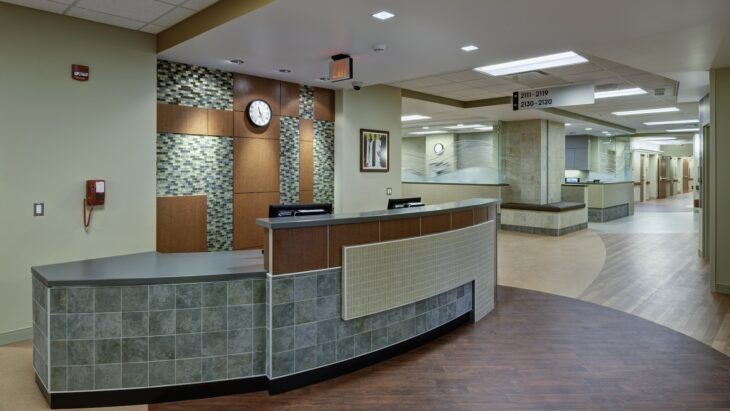



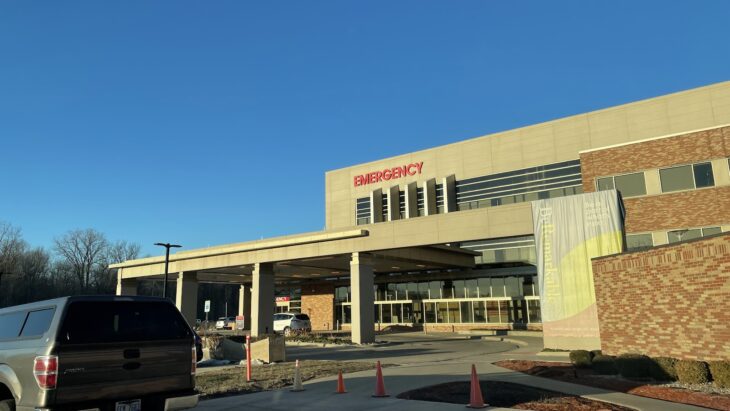
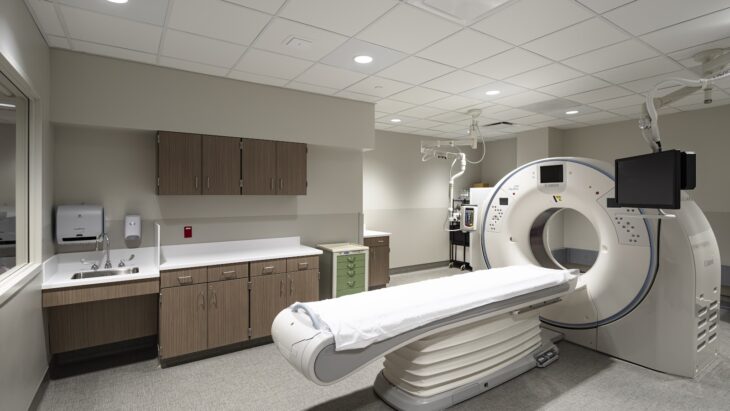

About Trinity Health Livonia Hospital
Asking for help does not need to be difficult or embarrassing. Emotional problems are real and very painful. They can drain a person’s strength as well as have a negative impact on personal and family wellness. St. Mary Mercy’s Behavioral Medicine Department offers a wide range of mental health and chemical dependency services. Our professional staff of dedicated clinicians includes social workers, psychiatric nurses, psychiatrists and addictionologists, all of whom have a wide variety of clinical expertise and experience working with people in need of assistance. The goal of our staff is to provide remarkable service and remarkable care for which the Saint Joseph Mercy Health System is known.
The Department of Behavioral Medicine aims to restore individuals to their highest level of functioning within the family and community. The Department is comprised of the Mental Health and Chemical Dependency Units, and Outpatient Chemical Dependency Services. All services are delivered by a team of highly trained physicians, nurses, therapists, counselors and support staff.
Inpatient Residential Services
Population Served
Adults 18 years of age or older who are committed to achieving and maintaining a sober lifestyle
Treatment Approach
A psychoeducational model of treatment is used to increase patient’s knowledge of the disease of addiction and requirements for change.
A major focus of treatment is assisting patients in developing new coping and relapse prevention skills.
The team encourages patient’s personal accountability and responsibility for maintaining growth and healing.
The program facilitates increased knowledge and use of 12-Step programs in recovery.
Active family involvement in treatment is encouraged to promote healing in the family system.
| Levels of Care | Detox Service Setting | Programs | Payment Options | Medications Offered | ||||
|---|---|---|---|---|---|---|---|---|
|
Inpatient and residential programs provide round-the-clock medical and emotional support as you live at the treatment facility. This level of care may be recommended if you have severe addictions or mental health conditions since it removes outside distractions and allows you to focus solely on therapy. |
In outpatient therapy, you’ll attend therapy sessions several times each week while living at home. This is ideal if you have a strong support system and a lower risk of relapse. Outpatient treatment offers flexibility to maintain work, school or family obligations. |
Aftercare programs provide ongoing support after you complete a rehab program. They may include several components to help you maintain sobriety including therapy, community support groups and relapse prevention strategies. This gives you a network of resources as you reintegrate into your daily life. |
Intensive Outpatient
|
Partial hospitalization programs provide comprehensive treatment in a structured setting during the day but allow you to return home at night. These programs offer a balance of inpatient and outpatient rehab and provide intensive support without full time residency. |
||||
|
Hospital detoxification allows you to withdraw from drugs or alcohol in a hospital setting. It’s ideal for people with severe withdrawal symptoms or complex medical needs. You’ll receive constant monitoring, emergency care if needed and FDA approved prescription medications. |
Outpatient detox gives you access to medically supervised withdrawal services while still allowing you to live at home. You’ll attend a clinic for treatment and monitoring. This flexible option is suitable for those with mild to moderate withdrawal symptoms who have strong support systems. |
Medication assisted treatment combines medication and counseling to manage withdrawal and reduce cravings for opioid and alcohol addiction. Medications may include methadone, buprenorphine or naltrexone. MAT is tailored to your needs so you can actively participate in your treatment journey. |
Inpatient detox occurs in a dedicated treatment facility. You’ll live there around the clock and receive intensive medical support and supervision to help manage your withdrawal symptoms. It is suitable for individuals with moderate to severe addictions as it ensures a stable detox environment. |
|||||
|
Adult programs address the substance use and life challenges specific to adults. Therapists can deliver sessions in individual, group and family settings. Services often include job support and life skills training in a structured environment.
|
Young adult programs are designed for individuals who are transitioning into adulthood. Topics of discussion typically include identity, independence and peer relationships. Providers may also offer life skills training and career support.
|
Women's programs offer a safe and supportive space to focus on gender specific issues such as trauma, family roles and mental health conditions. Therapists tailor the sessions to address women's needs and foster empowerment in a healing and nurturing environment.
|
Men's programs address substance use while also considering the social pressures, family roles and mental health concerns that are specific to men. You’ll learn healthy coping mechanisms as you build emotional resilience and develop communication skills.
|
Teen (13 - 18)
|
Alcohol detox programs offer medical support to help individuals withdraw safely from alcohol. Your care team may use medications to ease your symptoms and provide medical monitoring to address complications. |
Drug detox programs support individuals who are withdrawing from addictive substances like cocaine and heroin. Medical support helps you manage symptoms in a controlled and safe environment so you can achieve initial sobriety. |
Opioid detox uses medications to ease severe withdrawal symptoms. It also includes medical supervision to help you manage potential complications. These services allow you to stabilize and begin a recovery plan. |
Cognitive behavioral therapy focuses on changing harmful thought patterns and behaviors associated with addiction. You’ll learn healthier coping mechanisms by identifying and replacing negative thoughts. This improves your emotional resilience and decreases your relapse potential. |
|
Self Pay
|
Medicare
|
Private Insurance
|
Military Insurance
|
|||||
|
Buprenorphine
|
Levels of Care
Inpatient and residential programs provide round-the-clock medical and emotional support as you live at the treatment facility. This level of care may be recommended if you have severe addictions or mental health conditions since it removes outside distractions and allows you to focus solely on therapy.
In outpatient therapy, you’ll attend therapy sessions several times each week while living at home. This is ideal if you have a strong support system and a lower risk of relapse. Outpatient treatment offers flexibility to maintain work, school or family obligations.
Aftercare programs provide ongoing support after you complete a rehab program. They may include several components to help you maintain sobriety including therapy, community support groups and relapse prevention strategies. This gives you a network of resources as you reintegrate into your daily life.
Partial hospitalization programs provide comprehensive treatment in a structured setting during the day but allow you to return home at night. These programs offer a balance of inpatient and outpatient rehab and provide intensive support without full time residency.
Detox Service Setting
Hospital detoxification allows you to withdraw from drugs or alcohol in a hospital setting. It’s ideal for people with severe withdrawal symptoms or complex medical needs. You’ll receive constant monitoring, emergency care if needed and FDA approved prescription medications.
Outpatient detox gives you access to medically supervised withdrawal services while still allowing you to live at home. You’ll attend a clinic for treatment and monitoring. This flexible option is suitable for those with mild to moderate withdrawal symptoms who have strong support systems.
Medication assisted treatment combines medication and counseling to manage withdrawal and reduce cravings for opioid and alcohol addiction. Medications may include methadone, buprenorphine or naltrexone. MAT is tailored to your needs so you can actively participate in your treatment journey.
Inpatient detox occurs in a dedicated treatment facility. You’ll live there around the clock and receive intensive medical support and supervision to help manage your withdrawal symptoms. It is suitable for individuals with moderate to severe addictions as it ensures a stable detox environment.
Programs
Alcohol detox programs offer medical support to help individuals withdraw safely from alcohol. Your care team may use medications to ease your symptoms and provide medical monitoring to address complications.
Drug detox programs support individuals who are withdrawing from addictive substances like cocaine and heroin. Medical support helps you manage symptoms in a controlled and safe environment so you can achieve initial sobriety.
Opioid detox uses medications to ease severe withdrawal symptoms. It also includes medical supervision to help you manage potential complications. These services allow you to stabilize and begin a recovery plan.
Cognitive behavioral therapy focuses on changing harmful thought patterns and behaviors associated with addiction. You’ll learn healthier coping mechanisms by identifying and replacing negative thoughts. This improves your emotional resilience and decreases your relapse potential.
Medications Offered
Amenities
Accreditations


Contact


- Monday Open 24 hours
- Tuesday Open 24 hours
- Wednesday Open 24 hours
- Thursday Open 24 hours
- Friday Open 24 hours
- Saturday Open 24 hours
- Sunday Open 24 hours
Detox.com regularly reviews this listing for accuracy but changes may occur between updates. For the most up-to-date information, please contact Trinity Health Livonia Hospital.
Nearby Detox Centers


Search by Michigan Cities
FAQs
What detox and addiction treatment services does Trinity Health Livonia Hospital offer?
Trinity Health Livonia Hospital provides hospital-based detox and addiction recovery services including an inpatient chemical dependency unit with medically supervised detoxification, plus outpatient, intensive outpatient (IOP), and partial hospitalization (PHP) programming. The facility treats alcohol, opioid, and other drug dependencies for both adolescents and adults in a full-service hospital setting.
Is medical detox available at Trinity Health Livonia Hospital in Michigan?
Yes, the inpatient chemical dependency unit at Trinity Health Livonia Hospital provides medically monitored detoxification and rehabilitation services. Patients receive medical supervision and support in a safe, structured hospital environment while managing withdrawal from alcohol, opioids, and other substances.
What therapy and counseling services are included during detox at Trinity Health?
Trinity Health Livonia Hospital’s detox and recovery program includes individual and group counseling, family therapy, relapse prevention education, and recovery planning. Patients also participate in educational sessions focused on recovery skills and coping strategies during their inpatient or outpatient treatment.
Does Trinity Health Livonia Hospital treat adolescents and teens for addiction?
Yes, Trinity Health Addiction Recovery serves adolescents ages 13 to 18 as well as adults. Teen programming includes education groups, family therapy and support, and relapse prevention services tailored to younger patients’ needs.
What levels of care and treatment flexibility does Trinity Health Livonia offer?
Trinity Health Livonia Hospital offers inpatient detox and rehabilitation, intensive outpatient program (IOP), partial hospitalization program (PHP), and standard outpatient services. This range allows patients to choose a level of care that fits their clinical needs and living situation.
Does Trinity Health Livonia Hospital provide language support for detox patients?
Yes, Trinity Health Livonia Hospital offers interpreter services for patients who need language assistance during their detox and recovery treatment, ensuring all patients can communicate clearly with the medical and clinical team.