800-262-4205
Thomas Jefferson University Hospital Narcotic Addiction Rehabilitation Program
About Thomas Jefferson University Hospital Narcotic Addiction Rehabilitation Program
Thomas Jefferson University Hospital’s Narcotic Addiction Rehabilitation Program is a SAMHSA certified outpatient treatment program specializing in medication assisted treatment for opioid use disorder in Philadelphia.
The program treats adults with opioid dependence, co-occurring mental health disorders and other substance use disorders through methadone and buprenorphine maintenance, intensive outpatient care and individual and group psychotherapy.
Operating continuously since 1972, NARP offers academically based care through Jefferson’s Department of Psychiatry with research backed protocols and comprehensive wraparound services to support long term recovery.
Medication Assisted Treatment
NARP’s core focus is providing medication assisted treatment for individuals with opioid dependence, including heroin, fentanyl and prescription painkiller addiction.
As a teaching hospital program affiliated with Thomas Jefferson University, the facility offers methadone, buprenorphine and naltrexone maintenance alongside ambulatory detoxification services administered by board certified psychiatrists and licensed therapists.
Treatment combines medication management with evidence based therapies including cognitive behavioral therapy, motivational interviewing and relapse prevention. Sessions feature individual and group psychotherapy, trauma counseling and 12 step facilitation.
They also incorporate comprehensive psychiatric evaluations to create personalized treatment plans that address addiction as a disease. Alumni consistently rate the program’s therapy groups and counseling approach highly.
Recovery Support Services
Beyond medication and therapy, NARP provides wraparound services including housing assistance and employment counseling, recovery coaching and peer mentoring. On site resources include Narcotics Anonymous and Methadone Anonymous meetings, HIV and STD testing, naloxone education and discharge planning with outcome follow up to sustain progress after treatment.
Access and Getting Started
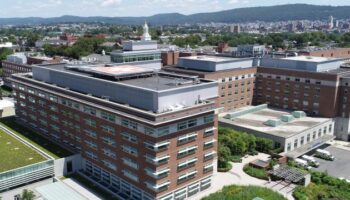
NARP serves adults at its South Philadelphia location on the Thomas Jefferson University Hospital campus, accessible by public transportation with both in person and telemedicine options available.
The program holds Joint Commission accreditation and State Department of Health certification with over 50 years of service to the Philadelphia community.
NARP accepts Medicaid and Medicare, private insurance and self payment with sliding scale fees and city contracted financial assistance available.
| Levels of Care | Detox Service Setting | Programs | Payment Options | |||
|---|---|---|---|---|---|---|
|
Outpatient therapy involves attending therapy sessions several times each week while living at home. This is suitable if you have a strong support system and a lower risk of relapse. Outpatient treatment offers flexibility to maintain other obligations such as work or school. |
Dual diagnosis programs address substance use disorders and co-occurring mental health conditions simultaneously. By addressing the root cause of addiciton, this approach improves the likelihood of long-term recovery and stability. |
|||||
|
Outpatient detox provides access to medically supervised withdrawal services while still allowing the individual to live at home. Treatment and monitoring are provided. This flexible option is suitable for those with mild to moderate withdrawal symptoms who have strong support systems. |
||||||
|
Adult programs address the substance use and life challenges specific to adults. Therapists often deliver sessions in individual, group, and family settings. Job support and life skills training can also be provided.
|
Alcohol detox programs offer medical support to achieve safe withdraw from alcohol. Your care team may use medications to ease withdrawal symptoms. They also provide medical monitoring to address complications.
|
Drug detox programs support individuals who are withdrawing from addictive substances like cocaine and heroin. Medical support helps individuals manage symptoms in a controlled and safe environment.
|
Men's programs address substance use issues as well as social pressures, family roles, and mental health concerns that are specific to men. Participants learn healthy coping mechanisms, emotional resilience, and communication skills.
|
Opioid detox uses medications to ease severe withdrawal symptoms. It also includes medical supervision to manage potential complications. These services allow individuals to stabilize and start a recovery plan.
|
Women's programs offer a safe and supportive space to focus on gender-specific issues such as trauma, family roles, and mental health conditions. Therapy sessions address women's needs and foster empowerment in a healing and nurturing environment.
|
Young adult programs are designed for individuals who are transitioning into adulthood. Discussion topics typically include identity, independence, and peer relationships. Participants may also receive life skills training and career support.
|
|
Medicaid
|
Self Pay
|
Levels of Care
Outpatient therapy involves attending therapy sessions several times each week while living at home. This is suitable if you have a strong support system and a lower risk of relapse. Outpatient treatment offers flexibility to maintain other obligations such as work or school.
Dual diagnosis programs address substance use disorders and co-occurring mental health conditions simultaneously. By addressing the root cause of addiciton, this approach improves the likelihood of long-term recovery and stability.
Detox Service Setting
Outpatient detox provides access to medically supervised withdrawal services while still allowing the individual to live at home. Treatment and monitoring are provided. This flexible option is suitable for those with mild to moderate withdrawal symptoms who have strong support systems.
Programs
Accreditations

Contact


Natalie is a recent Purdue University graduate where she studied Psychology and Creative Writing. She’s a fierce advocate for others and is committed to always showing up with a compassionate heart. She enjoys writing poetry, dancing, and playing piano in her free time.
Detox.com regularly reviews this listing for accuracy but changes may occur between updates. For the most up-to-date information, please contact Thomas Jefferson University Hospital Narcotic Addiction Rehabilitation Program.