501-213-3573
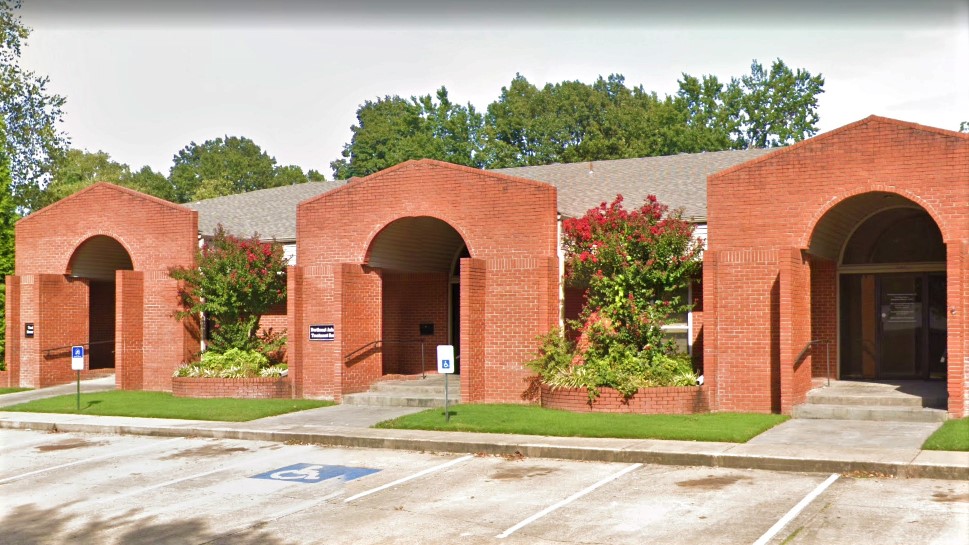
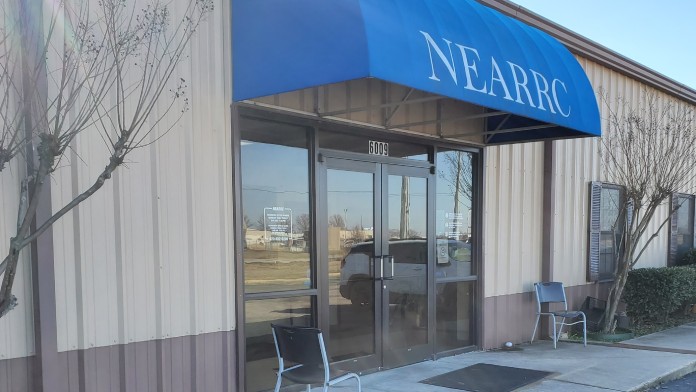
The BridgeWay
North Little Rock, AR
72113
Detox centers in Little Rock help you safely withdraw from drugs and alcohol so you can overcome chemical dependency and be treated for addiction. Detox treatments often involve medications and/or therapies including massage, exercise, and nutrition, and are aimed at reducing the severity of drug and alcohol withdrawal symptoms.
Little Rock drug detox centers can help you overcome addiction to heroin, painkillers, and nearly any other substance. If you need help overcoming drug or alcohol dependency, call our 24/7 confidential helpline at 501-596-0833 to find nearby drug and alcohol detox centers in Little Rock, AR.
| Name | Address | Detox Service Setting | Levels Of Care | Media |
|---|---|---|---|---|
Baptist Health Behavioral Health Clinic – Little Rock |
11321 Mabelvale West Road Little Rock, AR 72103 |
Detox Service Setting
Inpatient DetoxOutpatient Detox
|
Levels Of Care
InpatientOutpatientDual Diagnosis
|
|
Bradford Health Services |
2 Saint Vincent Circle Little Rock, AR 72205 |
Detox Service Setting
Inpatient DetoxOutpatient DetoxMAT+1
|
Levels Of Care
InpatientPHPOutpatient+3
|
|
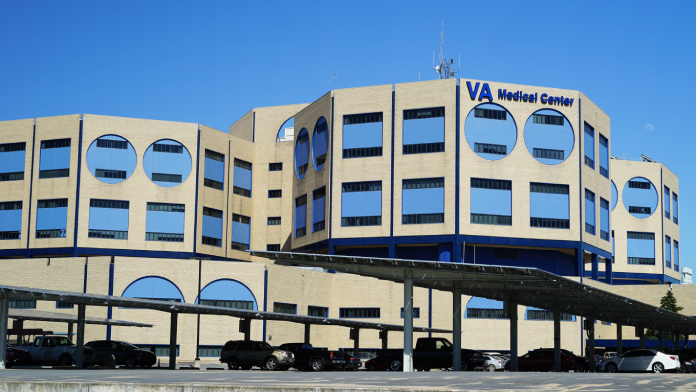
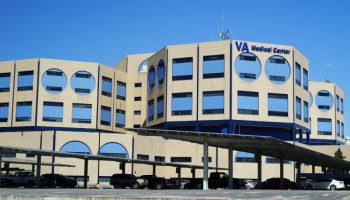
John L. McClellan Memorial Veterans Hospital |
4300 West 7th Street Little Rock, AR 72205 |
Detox Service Setting
Inpatient DetoxOutpatient DetoxMAT
|
Levels Of Care
InpatientOutpatientIntensive Outpatient
|
|
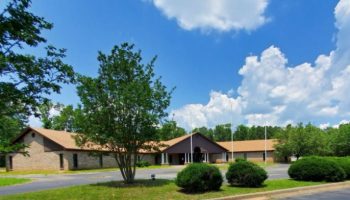
Recovery Centers Of Arkansas Little Rock |
9219 Sibley Hole Rd Little Rock, AR 72209 |
Detox Service Setting
Inpatient DetoxOutpatient Detox
|
Levels Of Care
InpatientOutpatient
|
|
Serenity Park Recovery Center |
2711 West Roosevelt Road Little Rock, AR 72204 |
Detox Service Setting
Inpatient DetoxOutpatient Detox
|
Levels Of Care
InpatientOutpatient
|

|
ARC Clinic Little Rock |
1 Lile Ct Little Rock, AR 72205 |
Detox Service Setting
Inpatient DetoxOutpatient Detox
|
Levels Of Care
InpatientOutpatient
|
|
Baptist Health Medical Center-Little Rock |
9601 Interstate 630 Little Rock, AR 72205 |
Detox Service Setting
Hospital Detox
|
Levels Of Care
InpatientOutpatient
|
|
BHG Medical Services North Little Rock |
4260 Stockton Dr Little Rock, AR 72117 |
Detox Service Setting
Inpatient DetoxOutpatient Detox
|
Levels Of Care
InpatientOutpatient
|
|
Dayspring Behavioral Health Services Preferred Family Healthcare Little Rock |
9219 Sibley Hole Road Little Rock, AR 72209 |
Detox Service Setting
Inpatient DetoxOutpatient Detox
|
Levels Of Care
InpatientOutpatientDual Diagnosis
|
|
GAIN Inc |
712 W 3rd St Little Rock, AR 72201 |
Detox Service Setting
Inpatient DetoxOutpatient Detox
|
Levels Of Care
InpatientOutpatient
|
|
Methodist Family Health – Arkansas CARES |
1600 Aldersgate Road # 200 Little Rock, AR 72205 |
Detox Service Setting
Inpatient DetoxOutpatient DetoxMAT
|
Levels Of Care
InpatientOutpatientDual Diagnosis+2
|
|
Mid Arkansas Substance Abuse Services |
4601 West 7th Street Little Rock, AR 72205 |
Detox Service Setting
|
Levels Of Care
|
|
Oasis Renewal Center |
14913 Cooper Orbit Road Little Rock, AR 72223 |
Detox Service Setting
Inpatient DetoxOutpatient Detox
|
Levels Of Care
InpatientOutpatientDual Diagnosis+1
|
|
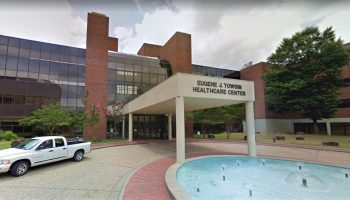
Eugene J Towbin Healthcare Center |
2200 Fort Roots Drive North Little Rock, AR 72114 |
Detox Service Setting
Inpatient DetoxOutpatient Detox
|
Levels Of Care
InpatientOutpatientAftercare+3
|
|
Incura Treatment Centers |
3805 McCain Park Dr North Little Rock, AR 72116 |
Detox Service Setting
Inpatient DetoxOutpatient Detox
|
Levels Of Care
InpatientOutpatient
|
|
Methamphetamine drives more Arkansas treatment admissions than any other substance, though synthetic opioids are increasingly present in local overdose data. As the state capital, Little Rock has the highest concentration of licensed detox and residential treatment programs in Arkansas. Both hospital-based medical detox and private inpatient facilities operate in the metro area.
Drug and alcohol detox programs in Little Rock are licensed by the Office of Alcohol and Drug Abuse Prevention (OADAP) within the Arkansas Department of Human Services Division of Aging, Adult and Behavioral Health Services (DAABHS).
For people without insurance or limited income, DAABHS contracts with community-based providers to deliver state-funded residential and outpatient care. Calling 211 or contacting DAABHS directly can help you identify available placements, as publicly funded beds can fill quickly.
Two recent developments are shaping care in the capital region. Arkansas Children’s Hospital broke ground in 2025 on the $75 million National Center for Opioid Research and Clinical Effectiveness (NCOR) on its Little Rock campus, funded by state opioid and vaping settlement proceeds and set to open in 2027.
Separately, Arkansas legalized fentanyl test strip possession effective January 2024, expanding harm reduction access statewide.
When choosing a detox center in Little Rock, be sure to confirm which substances a facility treats, whether 24-hour medically supervised withdrawal management is available and how the program approaches co-occurring mental health conditions.
The cost of detox in Little Rock varies by level of care, treatment setting and duration. Most major insurance plans cover at least a portion of detox costs, and several public-payment options exist for residents who are uninsured or underinsured.
Confirming payment options before admission can help you reduce financial pressure during an already difficult time.
For those considering treatment, the cost of detox in Little Rock tracks closely with Arkansas statewide averages. Medical complexity, length of stay, medication needs and facility type are the primary cost drivers.
Private insurance plans in Arkansas must comply with the Affordable Care Act’s mental health parity requirements, meaning substance use disorder treatment benefits must be covered at the same level as medical and surgical benefits.
Individual plans differ in terms of provider networks, deductibles and prior authorization rules, so contacting your insurer before admission is the most reliable way to confirm your coverage.
The six most common commercial insurers operating in the Little Rock market include:

Medicare Part A covers medically necessary inpatient detox, and Part B covers outpatient substance use treatment, including care at opioid treatment programs. Part D covers medications like buprenorphine and naltrexone.
Since 2024, Medicare also covers intensive outpatient and partial hospitalization programs, closing a long-standing coverage gap. Methadone for opioid use disorder is covered only through SAMHSA-certified OTPs, with no copay beyond the Part B deductible.
ARHOME, Arkansas’s Medicaid expansion program, covers medical detox, residential treatment, outpatient care, MAT and peer support for residents at or below 138% of the federal poverty level, with minimal or no copays.
As of 2026, ARHOME serves about 240,000 Arkansans, with most enrolled through private qualified health plans rather than traditional Medicaid. Little Rock residents with a co-occurring serious mental illness and substance use disorder may qualify for PASSE, a managed care model that coordinates care across providers.
Other ways to pay for rehab in Little Rock include:

Several nonprofit and DAABHS-contracted community providers in the Little Rock metro offer sliding-scale fees based on income and household size. In fact, OADAP licensing standards require contracted facilities to document a client’s ability to pay and adjust fees accordingly.
The Arkansas Department of Human Services receives federal Substance Abuse Prevention and Treatment (SAPT) block grant funding, which supports publicly funded treatment slots at contracted community providers for uninsured and low-income residents.
The Central Arkansas Veterans Healthcare System operates a Substance Use Disorder (SUD) Program at its North Little Rock division, providing medically supervised detox, MAT and outpatient services to eligible veterans at no cost.
A mix of regulatory and accreditation bodies oversees detox and substance use disorder treatment in Little Rock and Arkansas, including:
The primary state licensing authority for all alcohol and drug abuse treatment programs in Arkansas, including detoxification services. OADAP issues facility licenses under Arkansas Code 20-64-901 et seq., conducts on-site compliance reviews and has the authority to terminate licensure for programs that fail to meet the Licensure Standards for Alcohol and Other Drug Abuse Treatment Programs.
The parent division within the Arkansas Department of Human Services that houses OADAP and coordinates publicly funded SUD treatment services statewide.
DAABHS contracts with community-based providers across Arkansas’s 12 Community Mental Health Center regions to deliver state-funded detox, residential treatment and outpatient services, and manages the state’s participation in SAMHSA block grant programs.
Federal oversight applies specifically to opioid treatment programs (OTPs) dispensing methadone or buprenorphine. These programs must obtain SAMHSA certification under 42 CFR Part 8 and DEA Schedule II registration.
OADAP is designated as the State Authority and must also approve OTP operations in Arkansas, creating a dual federal-state oversight structure for narcotic treatment programs.
Both organizations offer voluntary national accreditation for behavioral health and addiction treatment facilities. Many Little Rock programs carry one or both accreditations as a quality signal to insurers and referring clinicians.
Under OADAP rules, loss of CARF or Joint Commission accreditation for a previously accredited facility can trigger the termination of its OADAP license.
Medication-assisted treatment in Little Rock is regulated at both federal and state levels, with a particular focus on controlled substances used in opioid use disorder treatment.
For example, Arkansas Act 651 of 2021 requires healthcare providers to co-prescribe an opioid antagonist such as naloxone under certain conditions when prescribing high-dose opioids.
In a positive move, the University of Arkansas for Medical Sciences Center for Addiction Services and Treatment (UAMS CAST) launched a hybrid in-person and telehealth MAT model in late 2024, improving access for patients facing barriers to daily clinic visits.
Widely available in Little Rock through licensed outpatient prescribers and clinics, including UAMS CAST. A 2023 federal regulatory change removed the DEA X-waiver requirement, allowing any DEA-registered provider to prescribe buprenorphine for opioid use disorder, significantly expanding the prescriber pool in Arkansas.
Available only through federally certified Opioid Treatment Programs, requiring patients to visit an approved clinic daily during the initial phase of treatment. OTPs serving patients in the Little Rock and North Little Rock area must be certified by SAMHSA and registered with the DEA, with OADAP serving as additional state-level oversight.
Available without special licensing in outpatient and office-based settings throughout Little Rock. Both oral tablets and the injectable extended-release form (Vivitrol) are used for alcohol use disorder and opioid use disorder. ARHOME Medicaid covers approved formulations, and naltrexone requires no prior detoxification for alcohol use disorder patients.
Access to naloxone and harm reduction supplies in Little Rock has expanded considerably, supported by opioid settlement funding, grassroots organizing and new legal protections.
Two examples include the legalization of the possession and free distribution of fentanyl test strips effective January 2024, and the state’s Good Samaritan Law provides partial immunity for individuals who call 911 during an overdose.
For people at risk of fentanyl contamination in the local drug supply, the resources below offer free, confidential access to lifesaving tools.
CAHR is Little Rock’s primary grassroots harm reduction organization, founded in 2018 following a cluster of overdose deaths in the local community.
It operates a drop-in center open Tuesdays and Thursdays and provides on-demand naloxone delivery via text message. All services are free, anonymous and confidential, with no documentation or identification required.
UAMS CAST is located on the UAMS campus in Little Rock and participates in the Arkansas Naloxone Education Training (ANET) program, a SAMHSA-funded initiative training healthcare providers and community members statewide to administer naloxone.
The center’s 2024 hybrid MAT model is designed to reduce barriers associated with mandatory daily clinic visits for patients stabilizing on buprenorphine.
ARORP manages a share of Arkansas’s opioid litigation settlement proceeds and coordinates naloxone saturation across counties, including Pulaski County, where Little Rock is located.
The partnership works with pharmacies, community organizations and law enforcement to ensure naloxone is accessible in the communities where overdose risk is highest, and funds select pharmacies to provide naloxone kits free of charge to patients who cannot afford them.
The ADH Substance Misuse Education and Prevention Section coordinates Arkansas’s Naloxone Distribution and Saturation Plan, directing naloxone resources to the counties and communities with the highest overdose burden.
In 2022, Arkansas recorded 142.8 EMS naloxone administrations per 100,000 people statewide, with central Arkansas, including Pulaski County, among the highest-volume areas.
Arkansas has recorded meaningful reductions in drug overdose deaths over the past three years, though synthetic opioids and methamphetamine continue to pose serious risks for people in Little Rock and across the state.
Fentanyl and other synthetic opioids were present in 52% of all drug overdose deaths in Arkansas in 2023, more than any other drug category in the state that year.
An estimated 7.6% of Arkansas adults reported a substance use disorder in the past year, representing roughly 175,000 residents statewide, according to federal survey data.
Arkansas had the second-highest opioid prescription rate in the nation in 2022 at 72.2 prescriptions per 100 persons, compared to a national average of 46.8, a significant contributing factor to opioid dependency statewide.
Yes. ARHOME covers a broad range of SUD services, including medical detox, inpatient residential treatment, outpatient programs, medication-assisted treatment and peer support services.
Most enrollees pay minimal or no copays. Residents with household incomes at or below 138% of the federal poverty level generally qualify.
Yes. DAABHS-contracted community providers offer state-funded treatment slots for uninsured residents, typically on a sliding-scale fee structure. Calling 211 connects callers to available local services across all 75 Arkansas counties.
Eligible veterans can access the Central Arkansas Veterans Healthcare System’s SUD program at no cost through the North Little Rock division.
Arkansas has two limited Good Samaritan provisions: one protects individuals who administer naloxone in good faith, and one provides immunity from drug possession charges at the scene for individuals who call 911.
It is important to keep in mind that the immunity does not extend to people currently on probation or parole, and it covers possession only, not sale or distribution of controlled substances.
Inpatient detox provides 24-hour medical monitoring in a hospital or residential facility and is best suited for people with severe physical dependence, a history of complicated withdrawal or limited support at home. Inpatient detox programs in the Little Rock area include both hospital-based and private residential options.
Conversely, outpatient detox allows patients to live at home while attending scheduled clinical appointments, appropriate for milder cases with a stable living environment.
Yes. Arkansas legalized fentanyl test strip possession effective January 2024, and free distribution is permitted statewide.
The Central Arkansas Harm Reduction Project distributes strips at its Little Rock drop-in center and via text request at 501-438-9158. Strips can detect fentanyl in a substance before use, reducing overdose risk for people who may unknowingly encounter a contaminated supply.
Medically supervised detox addresses physical withdrawal but is not a complete treatment program. Most clinical guidelines recommend transitioning directly into a structured level of care after detox to address the behavioral and psychological dimensions of addiction.
A comprehensive aftercare plan significantly reduces the risk of relapse in the high-vulnerability weeks following discharge and may include residential treatment, intensive outpatient programming, continued MAT and peer support.