800-262-4205
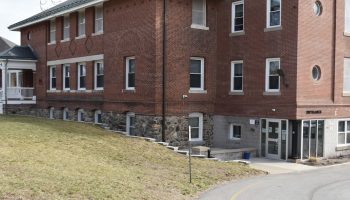
Edward P. Boland VA Medical Center

About Edward P. Boland VA Medical Center
The Edward P. Boland VA Medical Center in Leeds, Massachusetts provides a broad range of medical care to veterans and military members. Services include medical detox, inpatient and outpatient addiction treatment, and medication assisted treatment. They also have mental healthcare and medical services. They’re open 24/7.
The VA accepts VA coverage for service connected care, and you can pay for non-service connected care using Medicare, Medicaid or private insurance plans. Referrals are required.
Comprehensive Support for All Types of Veterans
Alongside the evidence based addiction treatment programs, you’ll find a lot of specialty programs for different veteran populations. They have targeted treatment for minority veterans, members of the LGBTQ+ community, women, and homeless veterans.
Another major support program for those in recovery is the Veteran Readiness and Employment Program. This provides individual support and job skills training to help you find and keep employment. They have partnerships with businesses eager to employ veterans on a transitional or permanent basis.
They also have a variety of social work services to help all veterans as they deal with mental health and/or substance use. Social workers can connect you to housing support, help with transportation, home health services, and other community resources.
| Levels of Care | Detox Service Setting | Programs | Payment Options | Medications Offered | ||||||||
|---|---|---|---|---|---|---|---|---|---|---|---|---|
|
Outpatient substance use disorder treatment at the Edward P. Boland VA Medical Center includes assessment, treatment planning, individual and group counseling, medication management, and case management for Veterans in western Massachusetts. |
Partial hospitalization programs provide comprehensive treatment in a structured setting during the day but allow you to return home at night. These programs offer a balance of inpatient and outpatient rehab and provide intensive support without full time residency. |
Intensive outpatient programs provide a higher level of structured care for Veterans working to stop using alcohol, prescription drugs, or illegal drugs, with counseling and medication support coordinated through the Leeds, Massachusetts campus. |
Residential live-in treatment is available for Veterans who need round-the-clock support while addressing substance use, offered alongside the medical center’s mental health services for conditions such as PTSD, depression, and anxiety. |
The center treats co-occurring substance use and mental health conditions together, offering care for PTSD, depression, anxiety, bipolar disorder, and schizophrenia alongside addiction treatment so Veterans receive support for both issues. |
Recovery programming includes peer support and recovery coaching that help Veterans maintain progress after treatment, and referral to more intensive levels of care remains available whenever additional support is needed. |
|||||||
|
Hospital detoxification allows you to withdraw from drugs or alcohol in a hospital setting. It’s ideal for people with severe withdrawal symptoms or complex medical needs. You’ll receive constant monitoring, emergency care if needed and FDA approved prescription medications. |
Outpatient care lets Veterans receive medications that reduce withdrawal symptoms along with counseling while living at home, and telehealth appointments extend access without traveling to the Leeds campus for every visit. |
Medications for addiction treatment at the Edward P. Boland VA Medical Center include buprenorphine and naltrexone for opioid use disorder, easing cravings and withdrawal symptoms so Veterans can focus on recovery work in counseling. |
||||||||||
|
Teen (13 - 18)
|
Adult programs address the substance use and life challenges specific to adults. Therapists can deliver sessions in individual, group and family settings. Services often include job support and life skills training in a structured environment.
|
Young adult programs are designed for individuals who are transitioning into adulthood. Topics of discussion typically include identity, independence and peer relationships. Providers may also offer life skills training and career support.
|
Senior programs address the unique needs of older adults like chronic pain, grief and isolation. Programs include peer support and medical oversight for age related health concerns. The goal is to improve quality of life and promote sober aging.
|
Women's programs offer a safe and supportive space to focus on gender specific issues such as trauma, family roles and mental health conditions. Therapists tailor the sessions to address women's needs and foster empowerment in a healing and nurturing environment.
|
Men's programs address substance use while also considering the social pressures, family roles and mental health concerns that are specific to men. You’ll learn healthy coping mechanisms as you build emotional resilience and develop communication skills.
|
LGBTQ friendly programs create an inclusive and affirming space for recovery. Treatment is sensitive to issues like discrimination and stigma. You’ll receive support and therapy that respects and acknowledges your unique experiences.
|
Every service at the Edward P. Boland VA Medical Center is designed for Veterans, from substance use and PTSD care to suicide prevention coordinators who connect Veterans in crisis with same-day help in person or by telehealth. |
Alcohol treatment is part of the substance use disorder program, which helps Veterans stop drinking through counseling and proven treatment options that address problems ranging from unhealthy alcohol use to life-threatening addictions. |
Care at this VA covers prescription medication misuse and illegal drug use, combining evidence-based therapies with counseling and medication management through the outpatient substance use disorder program for Veterans seeking recovery. |
The opioid use disorder program combines buprenorphine and naltrexone with counseling, helping Veterans in western Massachusetts manage withdrawal, reduce cravings, and move toward stopping opioid use with support from experienced VA clinicians. |
Evidence-based psychotherapies include cognitive behavioral therapy, motivational interviewing, and relapse prevention, delivered through individual counseling and group therapy as part of substance use and mental health treatment at the medical center. |
Eye movement desensitization and reprocessing is offered alongside cognitive processing therapy and prolonged exposure as trauma-focused treatment for Veterans with PTSD, supporting those whose trauma and substance use concerns occur together. |
|
Self Pay
|
Medicaid
|
Medicare
|
Private Insurance
|
Military Insurance
|
Payment Assistance
|
|||||||
|
Methadone
|
Levels of Care
Outpatient substance use disorder treatment at the Edward P. Boland VA Medical Center includes assessment, treatment planning, individual and group counseling, medication management, and case management for Veterans in western Massachusetts.
Partial hospitalization programs provide comprehensive treatment in a structured setting during the day but allow you to return home at night. These programs offer a balance of inpatient and outpatient rehab and provide intensive support without full time residency.
Intensive outpatient programs provide a higher level of structured care for Veterans working to stop using alcohol, prescription drugs, or illegal drugs, with counseling and medication support coordinated through the Leeds, Massachusetts campus.
Residential live-in treatment is available for Veterans who need round-the-clock support while addressing substance use, offered alongside the medical center’s mental health services for conditions such as PTSD, depression, and anxiety.
The center treats co-occurring substance use and mental health conditions together, offering care for PTSD, depression, anxiety, bipolar disorder, and schizophrenia alongside addiction treatment so Veterans receive support for both issues.
Recovery programming includes peer support and recovery coaching that help Veterans maintain progress after treatment, and referral to more intensive levels of care remains available whenever additional support is needed.
Detox Service Setting
Hospital detoxification allows you to withdraw from drugs or alcohol in a hospital setting. It’s ideal for people with severe withdrawal symptoms or complex medical needs. You’ll receive constant monitoring, emergency care if needed and FDA approved prescription medications.
Outpatient care lets Veterans receive medications that reduce withdrawal symptoms along with counseling while living at home, and telehealth appointments extend access without traveling to the Leeds campus for every visit.
Medications for addiction treatment at the Edward P. Boland VA Medical Center include buprenorphine and naltrexone for opioid use disorder, easing cravings and withdrawal symptoms so Veterans can focus on recovery work in counseling.
Programs
Every service at the Edward P. Boland VA Medical Center is designed for Veterans, from substance use and PTSD care to suicide prevention coordinators who connect Veterans in crisis with same-day help in person or by telehealth.
Alcohol treatment is part of the substance use disorder program, which helps Veterans stop drinking through counseling and proven treatment options that address problems ranging from unhealthy alcohol use to life-threatening addictions.
Care at this VA covers prescription medication misuse and illegal drug use, combining evidence-based therapies with counseling and medication management through the outpatient substance use disorder program for Veterans seeking recovery.
The opioid use disorder program combines buprenorphine and naltrexone with counseling, helping Veterans in western Massachusetts manage withdrawal, reduce cravings, and move toward stopping opioid use with support from experienced VA clinicians.
Evidence-based psychotherapies include cognitive behavioral therapy, motivational interviewing, and relapse prevention, delivered through individual counseling and group therapy as part of substance use and mental health treatment at the medical center.
Eye movement desensitization and reprocessing is offered alongside cognitive processing therapy and prolonged exposure as trauma-focused treatment for Veterans with PTSD, supporting those whose trauma and substance use concerns occur together.
Medications Offered
Amenities
Accreditations

Contact


- Monday Open 24 hours
- Tuesday Open 24 hours
- Wednesday Open 24 hours
- Thursday Open 24 hours
- Friday Open 24 hours
- Saturday Open 24 hours
- Sunday Open 24 hours

Anna Spooner has spent more than a decade writing about addiction and healthcare. She loves helping people understand their treatment options and removing the anxiety they might feel about seeking help. Anna lives in the Midwestern U.S. with her husband and two cats.

Peter W.Y. Lee is a historian with a focus in American Cold War culture. He has examined how popular culture has served as a coping mechanism for the challenges and changes impacting American society throughout the twentieth century.
Detox.com regularly reviews this listing for accuracy but changes may occur between updates. For the most up-to-date information, please contact Edward P. Boland VA Medical Center.