919-289-3798
Freedom Detox
Gastonia, NC
28054
Also known as the Land of the Sky, Asheville, NC is a beautiful, southern city. Unfortunately, it also has a serious substance abuse problem, like many areas like it. Often, detox is the best way for an individual to begin substance abuse treatment and to start to overcome an addiction.
Let us help you find safe, effective drug and alcohol detox centers in Asheville, NC where you can withdraw under medical supervision. Call 704-703-3549 today to find the best options for your safe recovery.

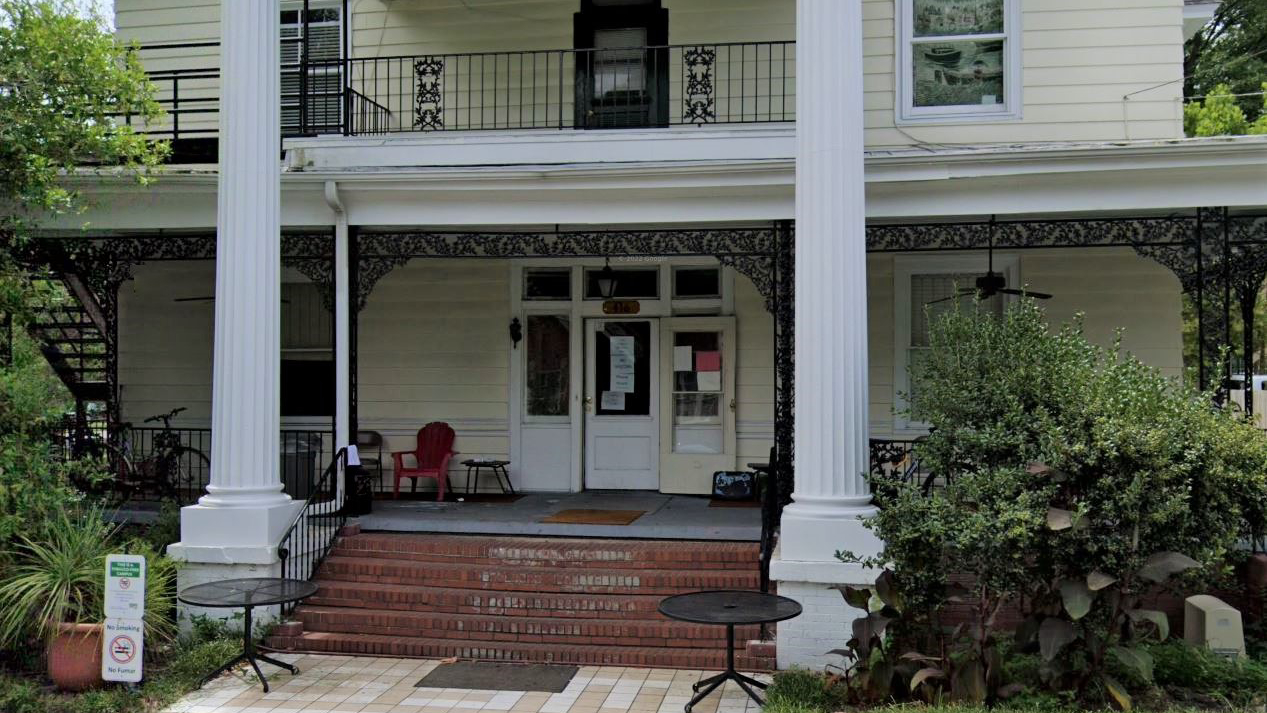
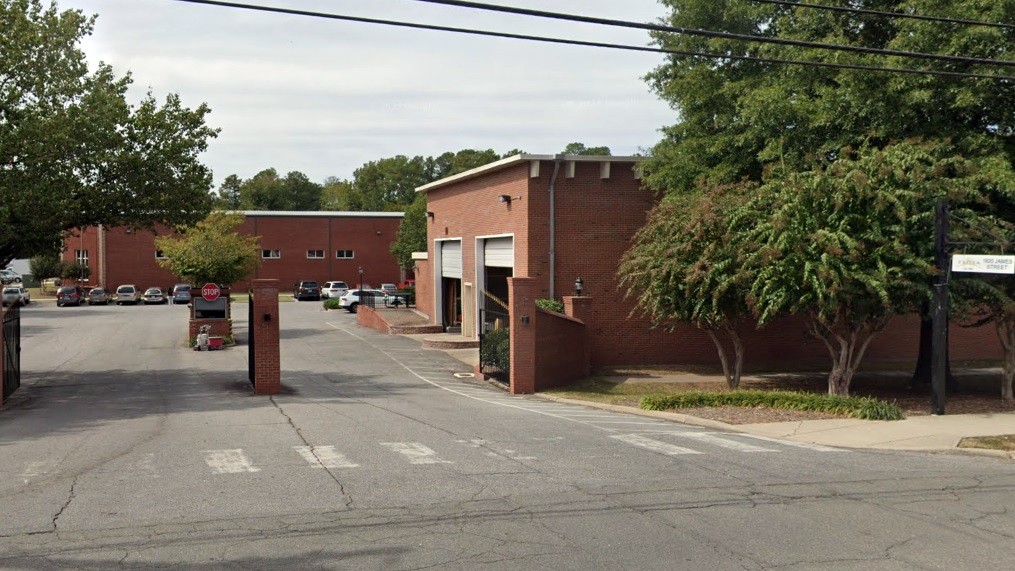

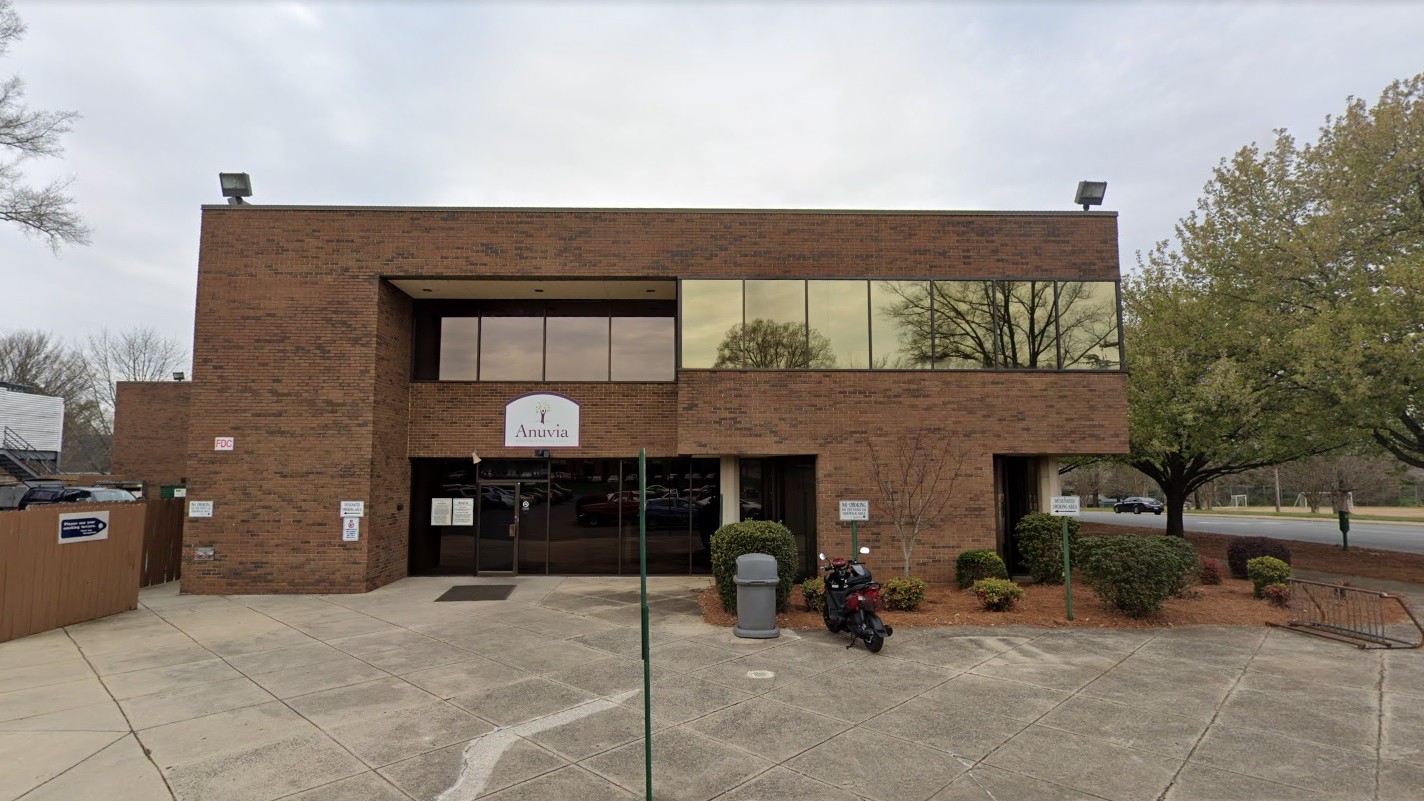
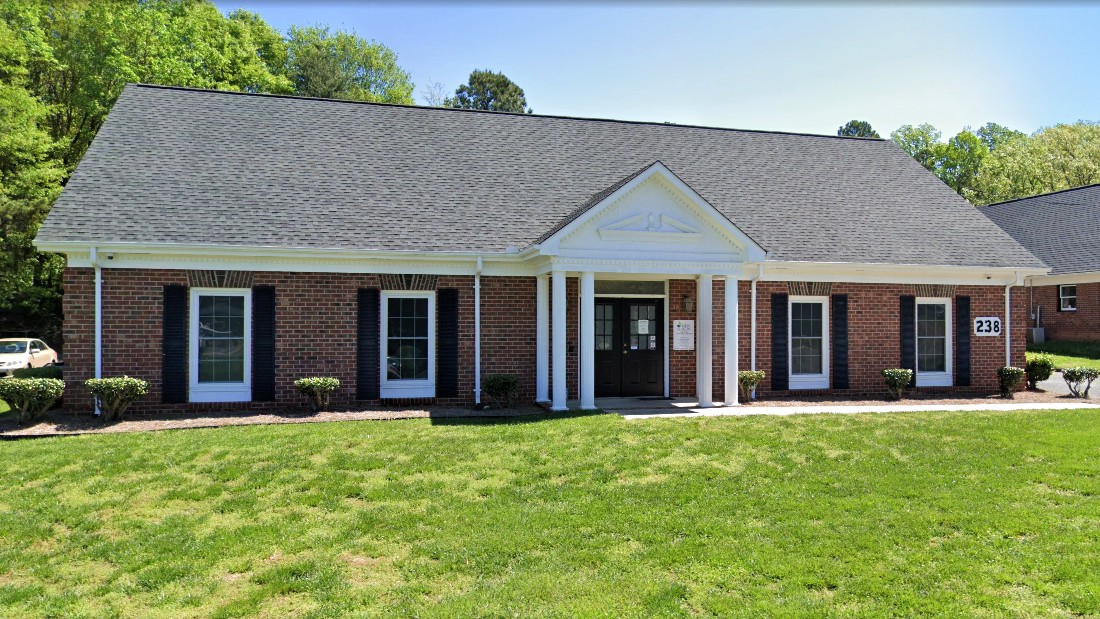
| Name | Address | Detox Service Setting | Levels Of Care | Media |
|---|---|---|---|---|
Charles George Department of Veterans Affairs Medical Center |
1100 Tunnel Road Asheville, NC 28805 |
Detox Service Setting
Inpatient DetoxOutpatient DetoxMAT+1
|
Levels Of Care
InpatientOutpatientPHP+1
|
|
Crest View Recovery Center Asheville |
90 Asheland Avenue Asheville, NC 28801 |
Detox Service Setting
Inpatient DetoxOutpatient DetoxMAT
|
Levels Of Care
InpatientPHPOutpatient+4
|
|
Crossroads of Asheville |
6 Roberts Road Asheville, NC 28803 |
Detox Service Setting
Outpatient Detox
|
Levels Of Care
OutpatientDual Diagnosis
|
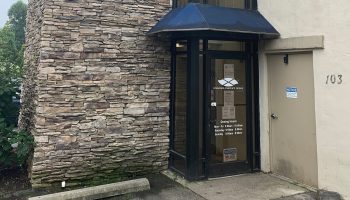
|
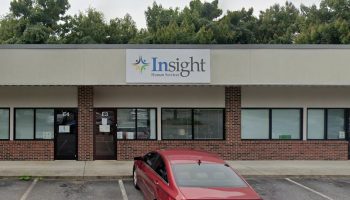
Insight Human Services Justice Services Region 4 |
370 North Louisiana Avenue Asheville, NC 28806 |
Detox Service Setting
Inpatient DetoxOutpatient Detox
|
Levels Of Care
InpatientOutpatientAftercare+2
|
|
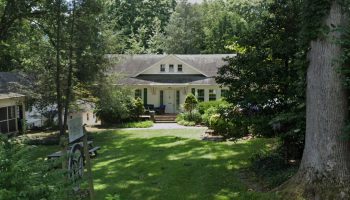
Insight Human Services Womens Recovery Center |
723 Fairview Road Asheville, NC 28803 |
Detox Service Setting
Inpatient DetoxOutpatient Detox
|
Levels Of Care
InpatientOutpatientAftercare+2
|
|
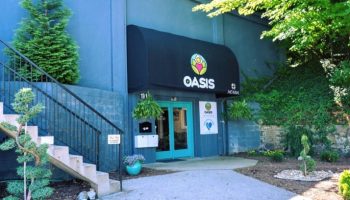
Oasis Recovery Center |
191 Charlotte St Asheville, NC 28801 |
Detox Service Setting
Inpatient DetoxOutpatient Detox
|
Levels Of Care
InpatientOutpatient
|
|
RHA Health Services – C3356 Comprehensive Care Center Asheville (Behavioral Health Services) |
356 Biltmore Avenue Asheville, NC 28801 |
Detox Service Setting
Inpatient DetoxOutpatient DetoxMAT
|
Levels Of Care
Outpatient
|
|
Asheville Comprehensive Treatment Center |
2 McDowell Street Asheville, NC 28801 |
Detox Service Setting
Outpatient Detox
|
Levels Of Care
InpatientOutpatientDual Diagnosis+1
|
|
Asheville Detox Center |
25 Choctaw St Asheville, NC 28801 |
Detox Service Setting
Inpatient DetoxOutpatient DetoxHospital Detox+1
|
Levels Of Care
InpatientOutpatientAftercare
|
|
Asheville Recovery Center |
9 Old Burnsville Hill Road # 7 Asheville, NC 28804 |
Detox Service Setting
Hospital DetoxInpatient DetoxOutpatient Detox+1
|
Levels Of Care
InpatientOutpatientDual Diagnosis+2
|
|
BHG Asheville Treatment Center |
18 Wedgefield Drive Asheville, NC 28806 |
Detox Service Setting
Outpatient DetoxMAT
|
Levels Of Care
Outpatient
|
|
Carolina Recovery Solutions |
901 Old Mars Hill Hwy Asheville, NC 28787 |
Detox Service Setting
Inpatient DetoxOutpatient Detox
|
Levels Of Care
InpatientOutpatient
|
|
Crossroads |
6 Roberts Road Asheville, NC 28803 |
Detox Service Setting
Inpatient DetoxOutpatient DetoxMAT
|
Levels Of Care
InpatientOutpatientPHP+1
|
|
Family Preservation Services |
31 College Place Asheville, NC 28801 |
Detox Service Setting
Outpatient Detox
|
Levels Of Care
OutpatientDual Diagnosis
|
|
Mission Hospital-St Joseph Campus |
151 Southhall Ln Suite 165 Maitland, FL 32751 |
Detox Service Setting
Inpatient DetoxOutpatient DetoxMAT
|
Levels Of Care
InpatientOutpatientDual Diagnosis+3
|
|
Next Step Recovery |
900 Hendersonville Road Suite 203 Asheville, NC 28803 |
Detox Service Setting
Hospital DetoxInpatient DetoxOutpatient Detox+1
|
Levels Of Care
InpatientOutpatientDual Diagnosis+3
|
|
The Willows At Red Oak Recovery |
64 Sigmon Rd Fletcher, NC 28732 |
Detox Service Setting
Hospital DetoxInpatient DetoxOutpatient Detox
|
Levels Of Care
InpatientOutpatientDual Diagnosis+2
|
Drug and alcohol detox programs in Asheville are regulated at the state level by the North Carolina Department of Health and Human Services (NCDHHS). Specifically, its Division of Health Service Regulation (DHSR), which licenses all substance use disorder treatment facilities, including detox programs.
Vaya Health, the Local Management Entity/Managed Care Organization (LME/MCO) serving Buncombe County and 32 other western North Carolina counties, manages Medicaid and state and federal funding for publicly funded behavioral health services in the region.
North Carolina expanded Medicaid on December 1, 2023, extending coverage to adults ages 19 through 64 with incomes up to 138% of the federal poverty level. This opened SUD treatment access to hundreds of thousands of previously uninsured North Carolinians.
Beginning July 1, 2024, Vaya Health began managing Tailored Plans, which combine physical health and pharmacy services alongside mental health and substance use coverage for eligible Medicaid members.
For uninsured residents seeking detox programs in Asheville, the state-operated Julian F. Keith Alcohol and Drug Abuse Treatment Center (JFK ADATC) in nearby Black Mountain offers medically monitored detox and crisis stabilization on a sliding fee scale.
Residents seeking state-funded or Medicaid-covered care should contact Vaya Health directly at 800-849-6127 for intake and referrals.
Buncombe County has historically recorded some of the highest overdose rates in North Carolina, with fentanyl-positive deaths driving the crisis for nearly a decade. The county saw a significant and encouraging decline in 2024, with estimated overdose deaths dropping to 103 from 152 the prior year.
This improvement has come alongside expanded harm reduction services and increased Naloxone availability across the region, though fentanyl remains widespread throughout the local drug supply.
As well, Asheville has a strong peer recovery community, with organizations such as Sunrise Community for Recovery and Wellness offering drop-in centers, peer coaching and harm reduction services throughout the region.
Covering the cost of drug and alcohol detox in Asheville is more manageable than many people expect. Private insurance, NC Medicaid, state-funded programs and veterans benefits all provide coverage options, and local safety-net programs fill gaps for those without insurance.
Understanding what each option covers is one of the most practical first steps anyone can take.
The cost of drug and alcohol detox in Asheville varies by the level of medical supervision required, the length of stay and whether you receive care in a hospital, residential facility or outpatient setting.
North Carolina’s average for a 30-day residential substance use program is approximately $56,759, per the National Center for Drug Abuse Statistics (2025). Shorter stays and outpatient programs are considerably less expensive.
Insurance, Medicaid and state-funded programs can dramatically reduce or eliminate out-of-pocket costs for eligible individuals.
Under the Affordable Care Act, private insurers are required to cover mental health and substance use disorder treatment at parity with other medical benefits. North Carolina’s Department of Insurance oversees insurer compliance in the state.
You can check plan details and verify network coverage through the HealthCare.gov marketplace.
The most common private insurance carriers accepted at Asheville-area detox and treatment facilities include:
Medicare covers medically supervised inpatient detox and outpatient substance use treatment in Asheville. Medicare Part B covers opioid treatment program (OTP) services, including methadone, buprenorphine and naltrexone. Copays and deductibles depend on your specific plan and the treatment setting.
NC Medicaid covers detox, inpatient withdrawal management, outpatient treatment and all FDA-approved forms of medication-assisted treatment, including methadone at certified OTPs.
North Carolina expanded Medicaid on December 1, 2023, opening eligibility to working-age adults with incomes up to 138% of the federal poverty level. Medicaid-covered services through Vaya Health’s Tailored Plans became available July 1, 2024.
Do not let cost stand between you and care in Asheville. Several local and state programs exist for people without private insurance:

The Julian F. Keith ADATC in Black Mountain (828-257-6200) uses a sliding fee scale based on income and accepts both Medicare and Medicaid, making it accessible to people with little or no insurance.
Vaya Health administers federal Substance Abuse Block Grant dollars to fund no-cost or low-cost treatment at select contracted providers in Buncombe County. Call Vaya at 800-849-6127 for an eligibility screening and a referral.
The Charles George VA Medical Center in Asheville (1100 Tunnel Rd) provides residential rehabilitation, integrated detox, trauma-informed counseling and MAT exclusively for veterans within the VA system. Veterans enrolled in VA healthcare can access these services at no out-of-pocket cost.
Buncombe County’s Substance Use Resources line (828-252-4357) connects county residents to local treatment support, peer services, and referral pathways for uninsured or underinsured individuals.
North Carolina is receiving hundreds of millions of dollars in opioid settlement funds, with allocations directed to counties, including Buncombe. A portion of these funds is used to expand access to treatment and community-based recovery services across western North Carolina.
Key regulatory and accreditation bodies that oversee detox and withdrawal management services in Asheville and North Carolina, including:
The primary state licensing authority for substance use disorder treatment facilities in North Carolina. DHSR’s Mental Health Licensure and Certification Section licenses all facilities providing detox, residential, and outpatient SUD services in Asheville. It is also responsible for reviewing staffing, clinical standards and patient rights compliance.
Vaya Health is the Local Management Entity and Managed Care Organization for Buncombe County and 32 surrounding western North Carolina counties. It manages Medicaid, federal, state and local funding for behavioral health services, contracts with SUD treatment providers in its region and oversees network adequacy and care quality for publicly funded detox programs.
NCDHHS is the overarching state agency responsible for behavioral health policy in North Carolina. Its Division of Mental Health, Developmental Disabilities and Substance Use Services (DMH/DD/SUS) issues service definitions, sets clinical standards for state-funded treatment, and administers the Alcohol and Drug Abuse Treatment Centers (ADATCs), including the Julian F. Keith ADATC in nearby Black Mountain.
CARF and The Joint Commission provide voluntary national accreditation for addiction treatment programs. Accreditation by either body signals adherence to rigorous clinical and operational standards.
The Asheville Detox Center and several other regional facilities hold CARF or Joint Commission accreditation.
Medication-assisted treatment in Asheville follows both federal and state regulatory frameworks. Under federal law, opioid treatment programs (OTPs) dispensing methadone must be certified by SAMHSA and registered with the DEA under 42 CFR Part 8.
Buprenorphine prescribers no longer require a separate “X-waiver” following federal rule changes in 2023, lowering barriers to office-based opioid treatment across the region.
Vaya Health’s Tailored Plans, active since July 2024, cover all three FDA-approved MAT medications for Medicaid members in Buncombe County.
Available at multiple outpatient and office-based programs in Asheville, and through telehealth providers. The 2023 removal of the X-waiver requirement has expanded prescribing access, making buprenorphine the most accessible MAT option in the region.
Dispensed only at federally certified Opioid Treatment Programs; it cannot be prescribed at a standard clinic or pharmacy for opioid use disorder. Patients must attend an OTP for daily dosing, at least initially. NC Medicaid covers methadone treatment at certified OTPs.
Non-addictive and available without special licensing, naltrexone is used for both opioid and alcohol use disorder. The injectable extended-release form (Vivitrol) is commonly used in Asheville-area programs, including re-entry and diversion settings. NC Medicaid covers naltrexone under standard pharmacy and medical benefits.
Asheville has an active harm reduction network supported by county health agencies, community organizations and peer-led programs. These services are focused on preventing overdose death, reducing disease transmission and keeping people connected to care without requiring readiness for treatment as a condition of help.
Buncombe County’s fentanyl overdose crisis drove the growth of this network, and the infrastructure built over the past several years has contributed to a measurable decline in overdose fatalities since 2023.
Most organizations below offer services at no cost and without judgment.
Buncombe County DHHS operates a fixed-site syringe services and harm reduction program at 40 Coxe Avenue in downtown Asheville.
Community paramedics are also available for overdose response; call 828-920-8261 or 828-772-1294 for immediate support.
The Steady Collective provides free, confidential harm reduction services at multiple Asheville sites, including a regular outreach on Wednesday mornings at 271 Haywood St. All services are provided without charge.
Contact them at 828-222-0424 or by email for schedules and naloxone training.
WNCAP operates a fixed-site harm reduction program at 554 Fairview Road in Asheville, open Monday through Friday, 9 am to 5 pm (828-252-7489).
Their mobile unit extends services to counties with fewer local resources across the region.
Sunrise Community for Recovery and Wellness offers peer-led drop-in services at 209 Tunnel Road in Asheville. Their harm reduction team provides overdose prevention education and naloxone training to individuals, community groups, and local businesses across Buncombe County.
You can call 828-920-8261 for information and supplies.
Buncombe County saw a meaningful drop in overdose deaths in 2024 after years of being among the hardest-hit counties in North Carolina.
However, fentanyl still drives the majority of overdose fatalities, and the drug continues to circulate widely throughout the region’s supply.
Fentanyl-positive deaths in Buncombe County declined by more than 40% between 2023 and 2024, recording 82 fentanyl-positive deaths in 2024, the fewest in a single year since 2018.
Buncombe County recorded 336 overdose-related emergency room visits in 2024, compared to 521 in 2023, a reduction of approximately 35%, according to state health data.
NCDHHS estimates that approximately 3,025 North Carolinians died from drug overdoses in 2024, or about 8 per day, continuing a statewide downward trend from a peak of 12 deaths per day in 2023.
Call Vaya Health at 800-849-6127 to screen for eligibility and receive a referral to a contracted provider in Buncombe County. You can also contact the Julian F. Keith ADATC in Black Mountain directly at 828-257-6200.
JFK is state-operated, uses a sliding fee scale and accepts Medicare and Medicaid, making it accessible for residents with no private insurance.
The Julian F. Keith Alcohol and Drug Abuse Treatment Center, located at 201 Tabernacle Road in Black Mountain (roughly 15 miles from downtown Asheville), is a state-operated facility run by NCDHHS.
It provides medically monitored detoxification, crisis stabilization and short-term inpatient treatment for adults with substance use disorders, including those with co-occurring mental health conditions and pregnant patients.
Yes. NC Medicaid covers all three FDA-approved MAT medications: buprenorphine, methadone (at certified OTPs) and naltrexone.
Coverage expanded significantly when Medicaid expanded on December 1, 2023, and Vaya Health’s Tailored Plans launched in July 2024 to combine MAT with behavioral health services for eligible members.
For questions, you can call Vaya at 800-849-6127.
Yes. The Charles George VA Medical Center at 1100 Tunnel Road in Asheville provides residential rehabilitation, integrated detox, trauma-informed counseling and medication-assisted treatment for eligible veterans within the VA healthcare system.
Veterans enrolled in VA care can access these services with no out-of-pocket cost. Call the facility directly or contact the VA’s national helpline at 1-800-827-1000 to confirm eligibility.
Detox is medically focused and addresses physical withdrawal; it is not a complete treatment for substance use disorder on its own. Following detox, a care team will typically recommend transitioning to a higher or continuing level of care.
Aftercare and continuing treatment options in and around Asheville include inpatient residential programs, intensive outpatient programs (IOP), medication-assisted treatment continuation, peer recovery coaching through Sunrise Community and sober living housing.
Vaya Health can assist you with referrals for all of these next steps.