

 800-671-4304
Skywood Recovery Outpatient at Royal Oak
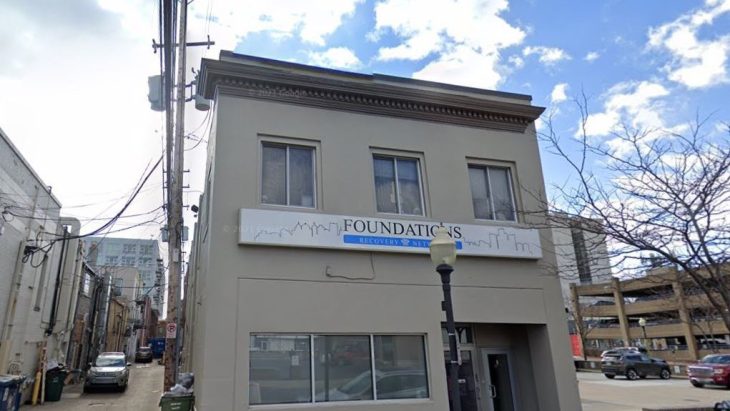
About Skywood Recovery Outpatient at Royal Oak
Skywood Outpatient in Royal Oak, Michigan, is a clinic that provides outpatient addiction services, including medication-assisted treatment (MAT). They assist adults in the surrounding area, just north of Detroit. Admissions coordinators can help you figure out your insurance coverage and any costs you may be responsible for.
The first step before beginning treatment is a full assessment. This allows staff to get a good sense about your current health and the substances you’ve used and level of addiction. This assessment will be used to create a customized addiction recovery plan for you. Once staff determine your level of care, you can begin treatment.
Some people think that MAT is only for detox. But, in fact, it is a proven method for helping people get used to not having addictive substances in their system. Even if you’ve already gone through the detox process, MAT can help you prevent relapse and overdose and set you up for long-term recovery.
Benefits of MAT include that it helps reduce cravings, increases the percentage of people who stay in treatment and improves your overall outcome.
I don’t like that Skywood Outpatient doesn’t treat clients with a dual diagnosis. Folks who are also struggling with a mental health disorder as well as addiction will need to find a dual diagnosis treatment program. It also means that they might miss underlying triggers that can fuel an addiction.
The clinic at Skywood Recovery is similar to a medical clinic you might see when you visit a doctor or other medical professional. There’s a lobby, small rooms for one-on-one treatment, and larger group rooms. I like that they have yoga equipment available for client use.
| Levels of Care | Detox Service Setting | Programs | Payment Options | ||||
|---|---|---|---|---|---|---|---|
|
In outpatient therapy, you’ll attend therapy sessions several times each week while living at home. This is ideal if you have a strong support system and a lower risk of relapse. Outpatient treatment offers flexibility to maintain work, school or family obligations. |
Aftercare programs provide ongoing support after you complete a rehab program. They may include several components to help you maintain sobriety including therapy, community support groups and relapse prevention strategies. This gives you a network of resources as you reintegrate into your daily life. |
Dual diagnosis programs address substance use disorders and co-occurring mental health conditions simultaneously. This integrated approach to care improves the likelihood of long term recovery and stability by addressing the root causes of addiction. |
An intervention is a structured and professionally guided conversation with an individual who is struggling with addiction. During the conversation, family and friends will encourage you to seek treatment. This is often a pivotal step for those resistant to getting help. |
Intensive Outpatient
|
Partial hospitalization programs provide comprehensive treatment in a structured setting during the day but allow you to return home at night. These programs offer a balance of inpatient and outpatient rehab and provide intensive support without full time residency. |
||
|
Outpatient detox gives you access to medically supervised withdrawal services while still allowing you to live at home. You’ll attend a clinic for treatment and monitoring. This flexible option is suitable for those with mild to moderate withdrawal symptoms who have strong support systems. |
Medication assisted treatment combines medication and counseling to manage withdrawal and reduce cravings for opioid and alcohol addiction. Medications may include methadone, buprenorphine or naltrexone. MAT is tailored to your needs so you can actively participate in your treatment journey. |
||||||
|
Adult programs address the substance use and life challenges specific to adults. Therapists can deliver sessions in individual, group and family settings. Services often include job support and life skills training in a structured environment. |
Alcohol detox programs offer medical support to help individuals withdraw safely from alcohol. Your care team may use medications to ease your symptoms and provide medical monitoring to address complications. |
Cognitive behavioral therapy focuses on changing harmful thought patterns and behaviors associated with addiction. You’ll learn healthier coping mechanisms by identifying and replacing negative thoughts. This improves your emotional resilience and decreases your relapse potential. |
LGBTQ friendly programs create an inclusive and affirming space for recovery. Treatment is sensitive to issues like discrimination and stigma. You’ll receive support and therapy that respects and acknowledges your unique experiences. |
Men's programs address substance use while also considering the social pressures, family roles and mental health concerns that are specific to men. You’ll learn healthy coping mechanisms as you build emotional resilience and develop communication skills. |
Opioid detox uses medications to ease severe withdrawal symptoms. It also includes medical supervision to help you manage potential complications. These services allow you to stabilize and begin a recovery plan. |
Women's programs offer a safe and supportive space to focus on gender specific issues such as trauma, family roles and mental health conditions. Therapists tailor the sessions to address women's needs and foster empowerment in a healing and nurturing environment. |
Young adult programs are designed for individuals who are transitioning into adulthood. Topics of discussion typically include identity, independence and peer relationships. Providers may also offer life skills training and career support. |
|
Private Insurance
|
Self Pay
|
Levels of Care
In outpatient therapy, you’ll attend therapy sessions several times each week while living at home. This is ideal if you have a strong support system and a lower risk of relapse. Outpatient treatment offers flexibility to maintain work, school or family obligations.
Aftercare programs provide ongoing support after you complete a rehab program. They may include several components to help you maintain sobriety including therapy, community support groups and relapse prevention strategies. This gives you a network of resources as you reintegrate into your daily life.
Dual diagnosis programs address substance use disorders and co-occurring mental health conditions simultaneously. This integrated approach to care improves the likelihood of long term recovery and stability by addressing the root causes of addiction.
An intervention is a structured and professionally guided conversation with an individual who is struggling with addiction. During the conversation, family and friends will encourage you to seek treatment. This is often a pivotal step for those resistant to getting help.
Partial hospitalization programs provide comprehensive treatment in a structured setting during the day but allow you to return home at night. These programs offer a balance of inpatient and outpatient rehab and provide intensive support without full time residency.
Detox Service Setting
Outpatient detox gives you access to medically supervised withdrawal services while still allowing you to live at home. You’ll attend a clinic for treatment and monitoring. This flexible option is suitable for those with mild to moderate withdrawal symptoms who have strong support systems.
Medication assisted treatment combines medication and counseling to manage withdrawal and reduce cravings for opioid and alcohol addiction. Medications may include methadone, buprenorphine or naltrexone. MAT is tailored to your needs so you can actively participate in your treatment journey.
Programs
Adult programs address the substance use and life challenges specific to adults. Therapists can deliver sessions in individual, group and family settings. Services often include job support and life skills training in a structured environment.
Alcohol detox programs offer medical support to help individuals withdraw safely from alcohol. Your care team may use medications to ease your symptoms and provide medical monitoring to address complications.
Cognitive behavioral therapy focuses on changing harmful thought patterns and behaviors associated with addiction. You’ll learn healthier coping mechanisms by identifying and replacing negative thoughts. This improves your emotional resilience and decreases your relapse potential.
LGBTQ friendly programs create an inclusive and affirming space for recovery. Treatment is sensitive to issues like discrimination and stigma. You’ll receive support and therapy that respects and acknowledges your unique experiences.
Men's programs address substance use while also considering the social pressures, family roles and mental health concerns that are specific to men. You’ll learn healthy coping mechanisms as you build emotional resilience and develop communication skills.
Opioid detox uses medications to ease severe withdrawal symptoms. It also includes medical supervision to help you manage potential complications. These services allow you to stabilize and begin a recovery plan.
Women's programs offer a safe and supportive space to focus on gender specific issues such as trauma, family roles and mental health conditions. Therapists tailor the sessions to address women's needs and foster empowerment in a healing and nurturing environment.
Young adult programs are designed for individuals who are transitioning into adulthood. Topics of discussion typically include identity, independence and peer relationships. Providers may also offer life skills training and career support.
Amenities
Accreditations


Contact



Mari Mendoza is an Ontario-based writer and facilitator. She has close to 20 years of writing experience and has written web content for a wide range of topic including mental health. She holds an BA in English from University of Toronto.

Peter W.Y. Lee is a historian with a focus in American Cold War culture. He has examined how popular culture has served as a coping mechanism for the challenges and changes impacting American society throughout the twentieth century.
Nearby Detox Centers

Search by Michigan Cities
FAQs
What outpatient detox and medication-assisted treatment does Skywood Royal Oak offer?
Skywood Recovery Outpatient at Royal Oak provides Medication-Assisted Treatment (MAT) combined with counseling and behavioral therapies for substance use disorders. The facility offers multiple outpatient levels of care, including Intensive Outpatient (IOP), Partial Hospitalization (PHP), and Virtual Outpatient services. MAT is integrated with these programs to help reduce cravings and support long-term recovery from opioid and alcohol addiction.
Does Skywood Royal Oak treat alcohol, opioids, and other drug addictions?
Yes, Skywood Recovery Outpatient at Royal Oak provides outpatient addiction treatment for adults struggling with alcohol, opioids, prescription drugs, and other substances. The facility specializes in opioid addiction care and helps individuals overcome various substance use disorders through evidence-based therapies and medication-assisted treatment options.
Can Skywood Royal Oak treat co-occurring mental health conditions with addiction?
Yes, Skywood Recovery Outpatient at Royal Oak offers dual diagnosis treatment for individuals experiencing co-occurring mental health conditions alongside substance use disorders. The clinical team addresses both anxiety, depression, trauma, and other mental health concerns in addition to addiction, supporting clients in building a stable foundation for long-term recovery.
What are the program options for working professionals at Skywood Royal Oak?
Skywood Recovery Outpatient at Royal Oak offers a Professionals Program designed for individuals who need flexible treatment while maintaining work responsibilities. The facility provides Intensive Outpatient (IOP), Partial Hospitalization (PHP), and Virtual Outpatient services, allowing clients to receive structured treatment while continuing to manage their professional obligations.
How does Skywood Royal Oak's virtual outpatient program work?
Skywood Recovery Outpatient at Royal Oak offers a Virtual Outpatient Program that provides treatment services online, allowing clients to receive care from home. This option provides flexibility for individuals who cannot attend in-person sessions or need remote access to counseling, group therapy, and other evidence-based treatment services.
What insurance options and payment methods does Skywood Royal Oak accept?
Skywood Recovery Outpatient at Royal Oak accepts most major insurance plans and offers self-pay options for those without coverage. The facility’s admissions team can help clients understand their insurance coverage, verify benefits, and explain available payment options to make treatment affordable and accessible.