

 800-262-4205
Harbor Hall Residential & Main Office

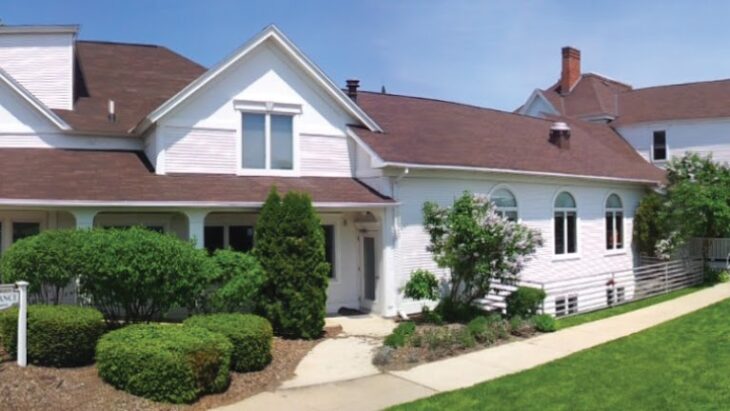

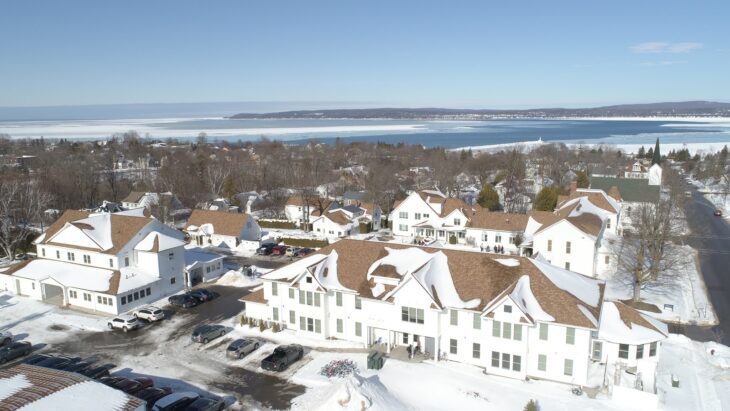
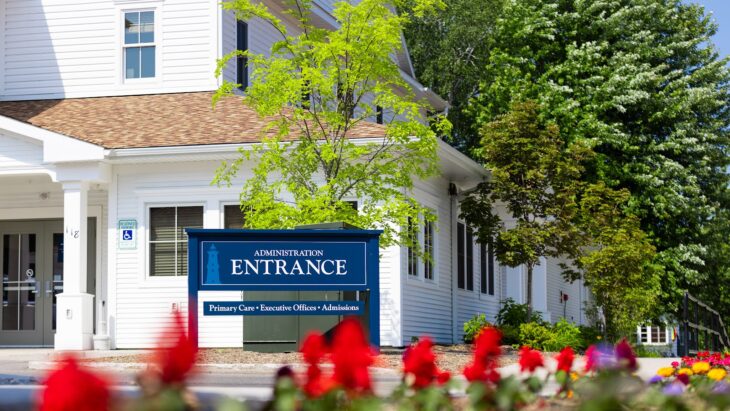
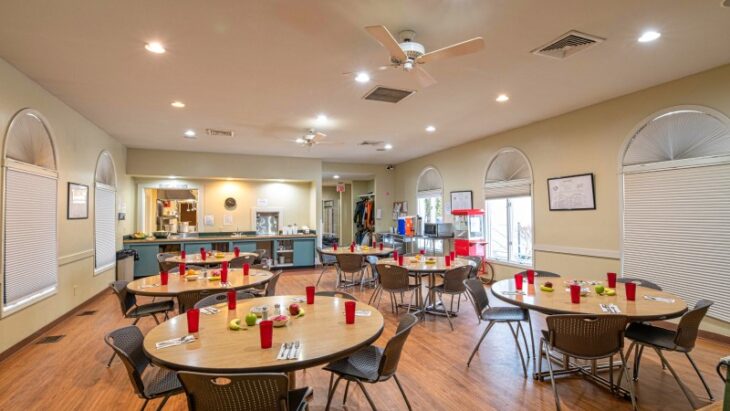
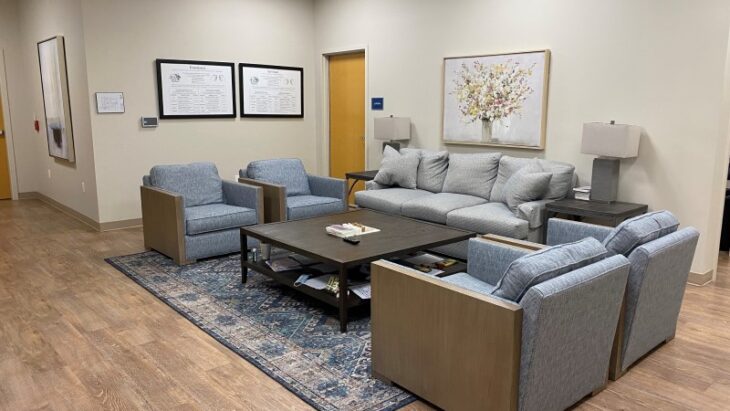

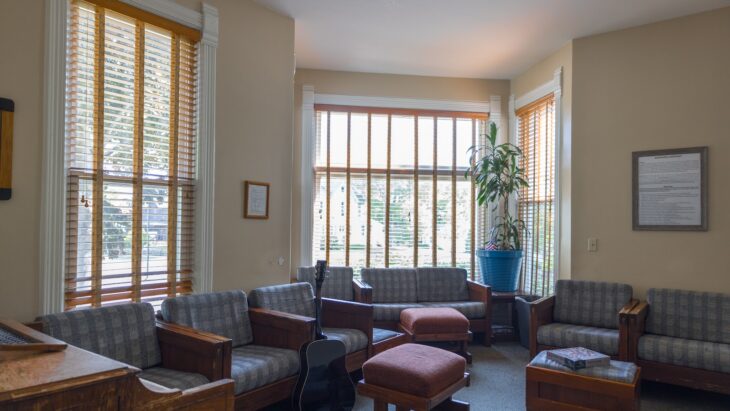

About Harbor Hall Residential & Main Office
The Petoskey Residential of Harbor Hall provides adults with substance abuse treatment in Petoskey, Michigan. The organization is CARF-accredited and they’re members of the National Association of Addiction Treatment Providers.
Medicaid is accepted, as well as most commercial insurances. If you are uninsured, you’ll be able to self pay for your treatment services.
Their residential program is for both men and women. Men and women will be housed separately. The men’s facility is a nondescript residence that has 40 beds, while the women’s facility has eight beds. Both men and women must be 18 years of age or older to receive residential services.
I like that withdrawal management is offered as part of their residential program. Before beginning, you will undergo a medical screening. The purpose of the medical screening will be to determine your need for this level of care. This will also help their staff develop your customized treatment plan.
During your time in withdrawal management, you’ll have 24 hour support, observation and supervision. By constant monitoring, your safety will be ensured during your withdrawal process. If excursions are possible, North Country Trail & Iron Belle Trail are just down the street. You can also volunteer at Camp Daggett.
Art therapy will be offered as part of the residential program. Their heart studio provides expressive art therapy. With art, you are able to express your feelings, thoughts and experiences without using words. Your peers will provide a safe and supportive environment. I do like that each week there is a new art project theme. The theme will always relate closely to topics discussed during group therapy.
| Levels of Care | Detox Service Setting | Programs | Payment Options | |||||||
|---|---|---|---|---|---|---|---|---|---|---|
|
Inpatient and residential programs provide round-the-clock medical and emotional support as you live at the treatment facility. This level of care may be recommended if you have severe addictions or mental health conditions since it removes outside distractions and allows you to focus solely on therapy. |
In outpatient therapy, you’ll attend therapy sessions several times each week while living at home. This is ideal if you have a strong support system and a lower risk of relapse. Outpatient treatment offers flexibility to maintain work, school or family obligations. |
Aftercare programs provide ongoing support after you complete a rehab program. They may include several components to help you maintain sobriety including therapy, community support groups and relapse prevention strategies. This gives you a network of resources as you reintegrate into your daily life. |
Dual diagnosis programs address substance use disorders and co-occurring mental health conditions simultaneously. This integrated approach to care improves the likelihood of long term recovery and stability by addressing the root causes of addiction. |
Sober living homes provide a supportive and substance free environment for you to live in as you overcome your addiction. Residents must follow house rules and support each other’s recovery journeys. Sober living fosters accountability and stability during this critical phase of recovery. |
Intensive Outpatient Programming (IOP) at Harbor Hall delivers structured counseling and recovery support services for clients maintaining community connections. |
|||||
|
Inpatient detox occurs in a dedicated treatment facility. You’ll live there around the clock and receive intensive medical support and supervision to help manage your withdrawal symptoms. It is suitable for individuals with moderate to severe addictions as it ensures a stable detox environment. |
Outpatient detox gives you access to medically supervised withdrawal services while still allowing you to live at home. You’ll attend a clinic for treatment and monitoring. This flexible option is suitable for those with mild to moderate withdrawal symptoms who have strong support systems. |
Harbor Hall offers Medication-Assisted Treatment to support clients managing opioid and alcohol use disorders during detoxification and ongoing recovery. |
||||||||
|
Adult programs address the substance use and life challenges specific to adults. Therapists can deliver sessions in individual, group and family settings. Services often include job support and life skills training in a structured environment.
|
Alcohol detox programs offer medical support to help individuals withdraw safely from alcohol. Your care team may use medications to ease your symptoms and provide medical monitoring to address complications.
|
Cognitive behavioral therapy focuses on changing harmful thought patterns and behaviors associated with addiction. You’ll learn healthier coping mechanisms by identifying and replacing negative thoughts. This improves your emotional resilience and decreases your relapse potential.
|
Men's programs address substance use while also considering the social pressures, family roles and mental health concerns that are specific to men. You’ll learn healthy coping mechanisms as you build emotional resilience and develop communication skills.
|
Opioid detox uses medications to ease severe withdrawal symptoms. It also includes medical supervision to help you manage potential complications. These services allow you to stabilize and begin a recovery plan.
|
Rational behavior therapy helps you identify irrational beliefs that contribute to an addiction. Challenging and modifying those beliefs helps you develop healthier attitudes and behaviors. This therapy supports long term sobriety and sustainable recovery.
|
Young adult programs are designed for individuals who are transitioning into adulthood. Topics of discussion typically include identity, independence and peer relationships. Providers may also offer life skills training and career support.
|
Harbor Hall treats adolescents and teenagers aged 14-17 with substance use and co-occurring mental health disorders through structured residential and outpatient programming. |
Harbor Hall serves seniors aged 65 and older through tailored treatment for substance use and co-occurring mental health conditions. |
Harbor Hall provides treatment services for women with substance use and mental health concerns in Petoskey. |
Drug detoxification at Harbor Hall includes inpatient services with nursing care and counseling for polysubstance and opioid use disorders. |
|
Payment Assistance
|
Medicaid
|
Private Insurance
|
Self Pay
|
Levels of Care
Inpatient and residential programs provide round-the-clock medical and emotional support as you live at the treatment facility. This level of care may be recommended if you have severe addictions or mental health conditions since it removes outside distractions and allows you to focus solely on therapy.
In outpatient therapy, you’ll attend therapy sessions several times each week while living at home. This is ideal if you have a strong support system and a lower risk of relapse. Outpatient treatment offers flexibility to maintain work, school or family obligations.
Aftercare programs provide ongoing support after you complete a rehab program. They may include several components to help you maintain sobriety including therapy, community support groups and relapse prevention strategies. This gives you a network of resources as you reintegrate into your daily life.
Dual diagnosis programs address substance use disorders and co-occurring mental health conditions simultaneously. This integrated approach to care improves the likelihood of long term recovery and stability by addressing the root causes of addiction.
Sober living homes provide a supportive and substance free environment for you to live in as you overcome your addiction. Residents must follow house rules and support each other’s recovery journeys. Sober living fosters accountability and stability during this critical phase of recovery.
Intensive Outpatient Programming (IOP) at Harbor Hall delivers structured counseling and recovery support services for clients maintaining community connections.
Detox Service Setting
Inpatient detox occurs in a dedicated treatment facility. You’ll live there around the clock and receive intensive medical support and supervision to help manage your withdrawal symptoms. It is suitable for individuals with moderate to severe addictions as it ensures a stable detox environment.
Outpatient detox gives you access to medically supervised withdrawal services while still allowing you to live at home. You’ll attend a clinic for treatment and monitoring. This flexible option is suitable for those with mild to moderate withdrawal symptoms who have strong support systems.
Harbor Hall offers Medication-Assisted Treatment to support clients managing opioid and alcohol use disorders during detoxification and ongoing recovery.
Programs
Harbor Hall treats adolescents and teenagers aged 14-17 with substance use and co-occurring mental health disorders through structured residential and outpatient programming.
Harbor Hall serves seniors aged 65 and older through tailored treatment for substance use and co-occurring mental health conditions.
Harbor Hall provides treatment services for women with substance use and mental health concerns in Petoskey.
Drug detoxification at Harbor Hall includes inpatient services with nursing care and counseling for polysubstance and opioid use disorders.
Amenities
Accreditations


Accepted Insurance

Contact


- Monday 8AM - 4:30PM
- Tuesday 8AM - 4:30PM
- Wednesday 8AM - 4:30PM
- Thursday 8AM - 4:30PM
- Friday 8AM - 4:30PM

Jenise Alvarez received her pre-law degree in South Florida, where she was born and raised. She now resides in metro Atlanta with her family. She is married with two children, a dog, and a cat. She stays busy running around after her little ones and making sure the animals stay out of trouble.

Peter W.Y. Lee is a historian with a focus in American Cold War culture. He has examined how popular culture has served as a coping mechanism for the challenges and changes impacting American society throughout the twentieth century.
Detox.com regularly reviews this listing for accuracy but changes may occur between updates. For the most up-to-date information, please contact Harbor Hall Residential & Main Office.
Nearby Detox Centers
Search by Michigan Cities
FAQs
What detox and treatment programs does Harbor Hall in Petoskey offer?
Harbor Hall provides inpatient detox with medication-assisted treatment (MAT), residential treatment, intensive outpatient programming (IOP), outpatient services, and sober living options. The facility treats alcohol and drug use disorders, including opioid addiction, with evidence-based counseling and recovery supports across multiple levels of care.
Does Harbor Hall treat co-occurring mental health disorders alongside addiction?
Yes, Harbor Hall addresses dual diagnosis by providing treatment for substance use disorders combined with co-occurring mental health concerns. The facility integrates mental health support into treatment planning and uses individual therapy, group therapy, and family therapy to address both conditions together.
What age groups does Harbor Hall serve for substance use treatment?
Harbor Hall serves teens (13–18), young adults (18–25), adults (26–64), and seniors (65+), with gender-specific programming for males and females. The facility offers specialized adolescent and adult treatment tracks tailored to developmental and life-stage needs.
What therapies and counseling approaches are used at Harbor Hall?
Harbor Hall uses cognitive behavioral therapy (CBT), individual therapy, group therapy, family therapy, and 12-step facilitation as part of structured programming. These evidence-based approaches support recovery across residential, intensive outpatient, and outpatient levels of care.
Does Harbor Hall offer medication-assisted treatment for opioid addiction?
Yes, Harbor Hall provides medication-assisted treatment (MAT) as part of its inpatient detox and residential services. MAT is available to support individuals with opioid use disorder alongside counseling and behavioral health services.