

 800-262-4205
Harbor Oaks Hospital Mental Health and Addiction

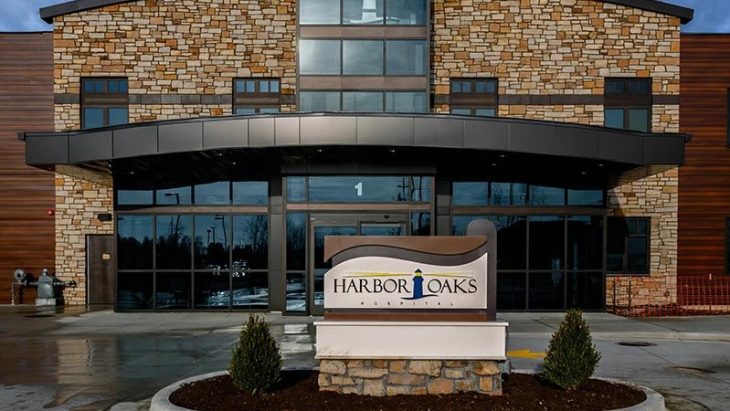
About Harbor Oaks Hospital Mental Health and Addiction
Harbor Oaks Hospital is a Joint Commission–accredited, 69-bed behavioral health and addiction treatment center providing inpatient and outpatient care for children, adolescents, adults and older adults in Southeastern Michigan.
They offer a full continuum of integrated treatment for mental health disorders and substance use all under one roof. Their mission is to deliver whole person, individualized care that supports not just the patient but their entire family through the recovery journey. This is a vital approach in a state where integrated care for co-occurring conditions is essential.
Integrated Dual Diagnosis Treatment in Michigan
Harbor Oaks specializes in treating co-occurring disorders to provide simultaneous care for mental health and substance use issues within their integrated programs. Their experienced clinical team includes on-site psychiatrists and licensed therapists. They create personalized plans that address both conditions together for more effective, lasting recovery.
Treatment utilizes evidence-based modalities and motivational interviewing alongside medication management to ensure underlying issues are addressed while managing symptoms. Former patients frequently note the compassion and professionalism of the staff during this coordinated treatment process.
Sensory-Friendly Pediatric Behavioral Health Care
A unique differentiator is their specialized inpatient unit for children and adolescents which includes sensory-friendly care designed for youth with autism spectrum disorder and other developmental disabilities. This tailored approach allows for effective treatment of complex behavioral health disorders in a supportive, understanding environment.
Beginning Your Path to Recovery
Harbor Oaks provides 24/7 admissions at their New Baltimore facility serving Southeastern Michigan with inpatient and outpatient levels of care. This Joint Commission–accredited hospital accepts most major insurance plans including Medicaid, Medicare, and Blue Cross Blue Shield with private pay and financial assistance options available.
Reach out to their admissions team today to learn more about their specialized programs.
| Levels of Care | Detox Service Setting | Programs | Payment Options | |||
|---|---|---|---|---|---|---|
|
Inpatient and residential programs provide round-the-clock medical and emotional support as you live at the treatment facility. This level of care may be recommended if you have severe addictions or mental health conditions since it removes outside distractions and allows you to focus solely on therapy. |
Partial hospitalization programs provide comprehensive treatment in a structured setting during the day but allow you to return home at night. These programs offer a balance of inpatient and outpatient rehab and provide intensive support without full time residency. |
Harbor Oaks Hospital treats mental health concerns together with co-occurring addiction, in programs open to people of all ages. |
||||
|
Inpatient detox occurs in a dedicated treatment facility. You’ll live there around the clock and receive intensive medical support and supervision to help manage your withdrawal symptoms. It is suitable for individuals with moderate to severe addictions as it ensures a stable detox environment. |
Outpatient detox gives you access to medically supervised withdrawal services while still allowing you to live at home. You’ll attend a clinic for treatment and monitoring. This flexible option is suitable for those with mild to moderate withdrawal symptoms who have strong support systems. |
Medication assisted treatment combines medication and counseling to manage withdrawal and reduce cravings for opioid and alcohol addiction. Medications may include methadone, buprenorphine or naltrexone. MAT is tailored to your needs so you can actively participate in your treatment journey. |
||||
|
Adult programs address the substance use and life challenges specific to adults. Therapists can deliver sessions in individual, group and family settings. Services often include job support and life skills training in a structured environment.
|
Animal therapy uses interactions with animals such as dogs or horses as part of treatment. You’ll learn to develop trust, lower your anxiety levels and regulate your emotions. This provides comfort and a sense of companionship during the recovery journey.
|
Cognitive behavioral therapy focuses on changing harmful thought patterns and behaviors associated with addiction. You’ll learn healthier coping mechanisms by identifying and replacing negative thoughts. This improves your emotional resilience and decreases your relapse potential.
|
Men's programs address substance use while also considering the social pressures, family roles and mental health concerns that are specific to men. You’ll learn healthy coping mechanisms as you build emotional resilience and develop communication skills.
|
Senior programs address the unique needs of older adults like chronic pain, grief and isolation. Programs include peer support and medical oversight for age related health concerns. The goal is to improve quality of life and promote sober aging.
|
Women's programs offer a safe and supportive space to focus on gender specific issues such as trauma, family roles and mental health conditions. Therapists tailor the sessions to address women's needs and foster empowerment in a healing and nurturing environment.
|
Young adult programs are designed for individuals who are transitioning into adulthood. Topics of discussion typically include identity, independence and peer relationships. Providers may also offer life skills training and career support.
|
|
Medicaid
|
Medicare
|
Military Insurance
|
Private Insurance
|
Self Pay
|
Levels of Care
Inpatient and residential programs provide round-the-clock medical and emotional support as you live at the treatment facility. This level of care may be recommended if you have severe addictions or mental health conditions since it removes outside distractions and allows you to focus solely on therapy.
Partial hospitalization programs provide comprehensive treatment in a structured setting during the day but allow you to return home at night. These programs offer a balance of inpatient and outpatient rehab and provide intensive support without full time residency.
Harbor Oaks Hospital treats mental health concerns together with co-occurring addiction, in programs open to people of all ages.
Detox Service Setting
Inpatient detox occurs in a dedicated treatment facility. You’ll live there around the clock and receive intensive medical support and supervision to help manage your withdrawal symptoms. It is suitable for individuals with moderate to severe addictions as it ensures a stable detox environment.
Outpatient detox gives you access to medically supervised withdrawal services while still allowing you to live at home. You’ll attend a clinic for treatment and monitoring. This flexible option is suitable for those with mild to moderate withdrawal symptoms who have strong support systems.
Medication assisted treatment combines medication and counseling to manage withdrawal and reduce cravings for opioid and alcohol addiction. Medications may include methadone, buprenorphine or naltrexone. MAT is tailored to your needs so you can actively participate in your treatment journey.
Programs
Amenities
Accreditations

Accepted Insurance
Contact



Courtney Myers writes and edits professionally from her home in North Carolina. She holds an MS in Technical Communication from N.C. State University and has worked in proposal management, marketing, and online content creation. She specializes in creating resources related to behavioral health and addiction recovery.
Detox.com regularly reviews this listing for accuracy but changes may occur between updates. For the most up-to-date information, please contact Harbor Oaks Hospital Mental Health and Addiction.
Nearby Detox Centers

Search by Michigan Cities
FAQs
What levels of care does Harbor Oaks Hospital offer?
Harbor Oaks Hospital is an inpatient addiction and mental health hospital in New Baltimore, Michigan. Its programs treat people of all ages who are facing mental health concerns together with co-occurring addiction, including co-occurring disorders care.
Does the hospital accept Medicaid or Medicare?
Yes. Accepted plans include Medicaid, Medicare, Tricare, and Blue Cross Blue Shield, and the hospital also takes private pay as well as other major insurance plans.
When is Harbor Oaks Hospital open?
The hospital never closes: doors are open 24 hours a day, seven days a week. The campus sits just north of Detroit off I-94 in New Baltimore, Michigan.