

 800-262-4205
Hazelden Betty Ford Treatment Center Plymouth
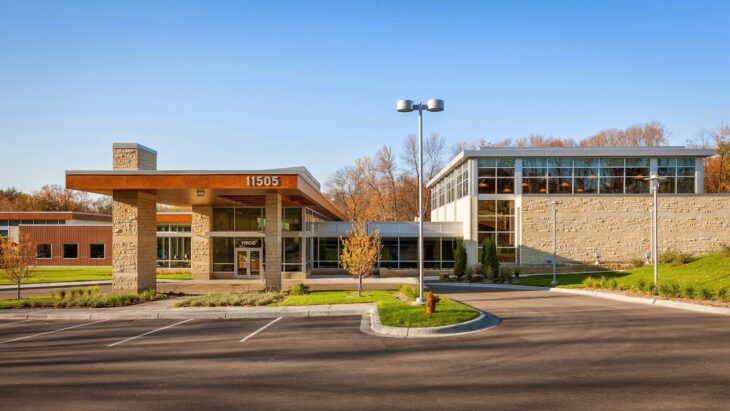




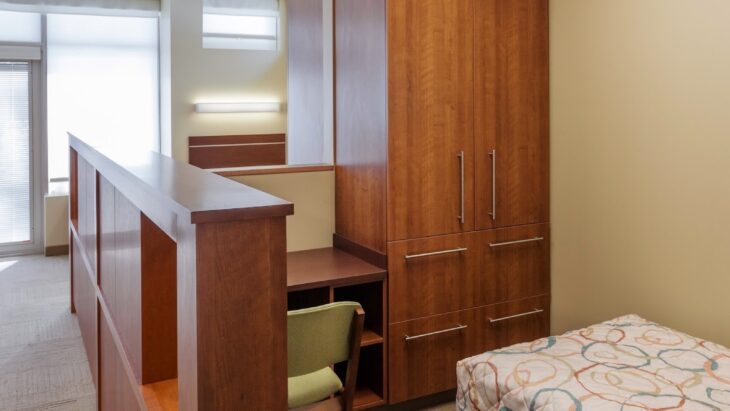

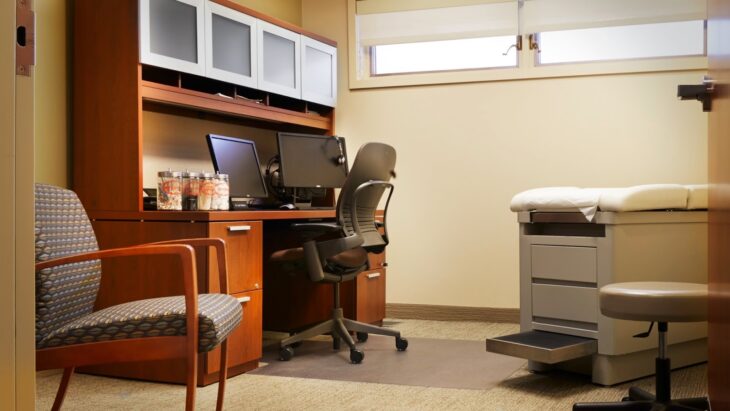
About Hazelden Betty Ford Treatment Center Plymouth
For over 75 years, the Hazelden Betty Ford Foundation has helped folks impacted by substance misuse. One of their network centers is in Plymouth, Minnesota. This rehab is designed to treat teens, young adults, and families. They have special tracks for LGBTQIA+ individuals and those with co-occurring mental health conditions.
Transportation to and from Minneapolis-St. Paul International Airport can be arranged. They accept most commercial health insurance providers, and financial assistance is available as well.
At this center, clients can benefit from integrated addiction treatment and mental health care, delivered round-the-clock by a team of onsite psychiatrists, counselors, and medical staff. The facility prides itself on its thorough, continuous, and personalized care.
Clients here can choose from a few different programs, including residential treatment. As part of inpatient care, clients may begin in the medical unit to get clean as part of a detox phase. Monitored by experienced doctors and nurses, the process is medically assisted. Staff prescribe medications to help you manage withdrawal discomfort and intense side effects that are a common side effect of detox.
On completion of the detox phase, clients will continue their time in the campus’ residential wing, engaging in a daily schedule of treatment sessions and activities designed to meet their unique recovery needs. This might include individual and group therapy, addiction education sessions and a regular online school, accountability and skills-based focus groups, onsite schooling options, recreational and wellness activities, as well as post-treatment planning with a designated coach.
As clients progress through inpatient, their care team will keep tabs and adjust their treatment plan as needed, depending on medical and behavioral milestones. Your family will be kept in touch via updates, weekly support groups, and additional family therapy.
Intensive outpatient programming (IOP) may follow or can be done without having gone through inpatient. It’s a more flexible level of care, and is available in-person or virtually, with treatment sessions and the length of programming varying depending on client needs. For more intensive outpatient treatment, clients can also attend day treatment, or partial hospitalization. This requires a commitment of 20-30 hours of addiction treatment sessions per week and may be a more suitable transitional program for clients coming out of residential care.
| Levels of Care | Detox Service Setting | Programs | Payment Options | |||||||||||
|---|---|---|---|---|---|---|---|---|---|---|---|---|---|---|
|
Inpatient and residential programs provide round-the-clock medical and emotional support as you live at the treatment facility. This level of care may be recommended if you have severe addictions or mental health conditions since it removes outside distractions and allows you to focus solely on therapy. |
In outpatient therapy, you’ll attend therapy sessions several times each week while living at home. This is ideal if you have a strong support system and a lower risk of relapse. Outpatient treatment offers flexibility to maintain work, school or family obligations. |
Aftercare programs provide ongoing support after you complete a rehab program. They may include several components to help you maintain sobriety including therapy, community support groups and relapse prevention strategies. This gives you a network of resources as you reintegrate into your daily life. |
Dual diagnosis programs address substance use disorders and co-occurring mental health conditions simultaneously. This integrated approach to care improves the likelihood of long term recovery and stability by addressing the root causes of addiction. |
An intervention is a structured and professionally guided conversation with an individual who is struggling with addiction. During the conversation, family and friends will encourage you to seek treatment. This is often a pivotal step for those resistant to getting help. |
Intensive Outpatient
|
Partial hospitalization programs provide comprehensive treatment in a structured setting during the day but allow you to return home at night. These programs offer a balance of inpatient and outpatient rehab and provide intensive support without full time residency. |
||||||||
|
Inpatient detox occurs in a dedicated treatment facility. You’ll live there around the clock and receive intensive medical support and supervision to help manage your withdrawal symptoms. It is suitable for individuals with moderate to severe addictions as it ensures a stable detox environment. |
Outpatient detox gives you access to medically supervised withdrawal services while still allowing you to live at home. You’ll attend a clinic for treatment and monitoring. This flexible option is suitable for those with mild to moderate withdrawal symptoms who have strong support systems. |
Medication assisted treatment combines medication and counseling to manage withdrawal and reduce cravings for opioid and alcohol addiction. Medications may include methadone, buprenorphine or naltrexone. MAT is tailored to your needs so you can actively participate in your treatment journey. |
||||||||||||
|
Alcohol detox programs offer medical support to help individuals withdraw safely from alcohol. Your care team may use medications to ease your symptoms and provide medical monitoring to address complications.
|
Animal therapy uses interactions with animals such as dogs or horses as part of treatment. You’ll learn to develop trust, lower your anxiety levels and regulate your emotions. This provides comfort and a sense of companionship during the recovery journey.
|
Cognitive behavioral therapy focuses on changing harmful thought patterns and behaviors associated with addiction. You’ll learn healthier coping mechanisms by identifying and replacing negative thoughts. This improves your emotional resilience and decreases your relapse potential.
|
Men's programs address substance use while also considering the social pressures, family roles and mental health concerns that are specific to men. You’ll learn healthy coping mechanisms as you build emotional resilience and develop communication skills.
|
Opioid detox uses medications to ease severe withdrawal symptoms. It also includes medical supervision to help you manage potential complications. These services allow you to stabilize and begin a recovery plan.
|
Women's programs offer a safe and supportive space to focus on gender specific issues such as trauma, family roles and mental health conditions. Therapists tailor the sessions to address women's needs and foster empowerment in a healing and nurturing environment.
|
Young adult programs are designed for individuals who are transitioning into adulthood. Topics of discussion typically include identity, independence and peer relationships. Providers may also offer life skills training and career support.
|
Adult programs address the substance use and life challenges specific to adults. Therapists can deliver sessions in individual, group and family settings. Services often include job support and life skills training in a structured environment.
|
Teen (13 - 18)
|
Senior programs address the unique needs of older adults like chronic pain, grief and isolation. Programs include peer support and medical oversight for age related health concerns. The goal is to improve quality of life and promote sober aging.
|
LGBTQ friendly programs create an inclusive and affirming space for recovery. Treatment is sensitive to issues like discrimination and stigma. You’ll receive support and therapy that respects and acknowledges your unique experiences.
|
Military and veteran programs offer specialized support for clients who served in the armed services. Programs focus on reintegration and healing within a structured and supportive environment that acknowledges the unique struggles of military life.
|
Drug detox programs support individuals who are withdrawing from addictive substances like cocaine and heroin. Medical support helps you manage symptoms in a controlled and safe environment so you can achieve initial sobriety.
|
EMDR stands for eye movement desensitization and reprocessing therapy. It helps you process traumatic memories that may underlie addiction. You’ll learn how to reduce emotional distress and begin healing from past events. This makes it effective for trauma related addiction causes.
|
Exercise therapy incorporates physical activity into treatment to promote mental and physical health. Regular exercise reduces stress, boosts mood and enhances your overall wellbeing. This can give you a positive outlook and lower your relapse risk.
|
|
Private Insurance
|
Self Pay
|
Medicaid
|
Medicare
|
Military Insurance
|
Payment Assistance
|
Financing Plans
|
Sliding Scale Payment
|
Levels of Care
Inpatient and residential programs provide round-the-clock medical and emotional support as you live at the treatment facility. This level of care may be recommended if you have severe addictions or mental health conditions since it removes outside distractions and allows you to focus solely on therapy.
In outpatient therapy, you’ll attend therapy sessions several times each week while living at home. This is ideal if you have a strong support system and a lower risk of relapse. Outpatient treatment offers flexibility to maintain work, school or family obligations.
Aftercare programs provide ongoing support after you complete a rehab program. They may include several components to help you maintain sobriety including therapy, community support groups and relapse prevention strategies. This gives you a network of resources as you reintegrate into your daily life.
Dual diagnosis programs address substance use disorders and co-occurring mental health conditions simultaneously. This integrated approach to care improves the likelihood of long term recovery and stability by addressing the root causes of addiction.
An intervention is a structured and professionally guided conversation with an individual who is struggling with addiction. During the conversation, family and friends will encourage you to seek treatment. This is often a pivotal step for those resistant to getting help.
Partial hospitalization programs provide comprehensive treatment in a structured setting during the day but allow you to return home at night. These programs offer a balance of inpatient and outpatient rehab and provide intensive support without full time residency.
Detox Service Setting
Inpatient detox occurs in a dedicated treatment facility. You’ll live there around the clock and receive intensive medical support and supervision to help manage your withdrawal symptoms. It is suitable for individuals with moderate to severe addictions as it ensures a stable detox environment.
Outpatient detox gives you access to medically supervised withdrawal services while still allowing you to live at home. You’ll attend a clinic for treatment and monitoring. This flexible option is suitable for those with mild to moderate withdrawal symptoms who have strong support systems.
Medication assisted treatment combines medication and counseling to manage withdrawal and reduce cravings for opioid and alcohol addiction. Medications may include methadone, buprenorphine or naltrexone. MAT is tailored to your needs so you can actively participate in your treatment journey.
Programs
Amenities
Accreditations


Accepted Insurance



Contact



Lauren wears many hats, and works as a holistic deep tissue massage therapist, content strategist, and copywriter. She’s been writing copy and dreaming up content for a number of brands for almost 10 years, having worked with a mixture of B2B and B2C brand. Some of her more notable clients include adidas, Gucci, Pepsi, and Hotels.com. A skilled editor and copywriter, she also enjoys planning content for social media and brand marketing campaigns.

Peter W.Y. Lee is a historian with a focus in American Cold War culture. He has examined how popular culture has served as a coping mechanism for the challenges and changes impacting American society throughout the twentieth century.
Detox.com regularly reviews this listing for accuracy but changes may occur between updates. For the most up-to-date information, please contact Hazelden Betty Ford Treatment Center Plymouth.
Nearby Detox Centers


Search by Minnesota Cities
FAQs
What inpatient detox services does Hazelden Betty Ford in Plymouth offer?
Hazelden Betty Ford Treatment Center in Plymouth provides inpatient medical detoxification for alcohol, opioids, and other drugs. The facility offers medication-assisted treatment (MAT) as part of detox care, with 24/7 medical supervision. Inpatient detox is followed by access to residential treatment, intensive outpatient, or outpatient levels of care depending on individual needs.
How is medical detox supervised at Hazelden Betty Ford Plymouth?
The facility provides inpatient medical detoxification with continuous medical oversight to manage withdrawal symptoms safely. Medications used during detox, including those for medication-assisted treatment, are administered and monitored by the medical team. This structured approach helps reduce withdrawal discomfort and supports safe, stabilized transition to ongoing treatment.
What insurance does Hazelden Betty Ford Plymouth accept for detox?
Hazelden Betty Ford Treatment Center in Plymouth accepts Aetna, Anthem, Blue Cross Blue Shield, Cigna, Humana, UnitedHealth Group, Medicaid, Medicare, and military insurance. The facility also offers payment assistance and financing plans for individuals without insurance or with out-of-pocket costs, making detox more accessible.
What happens after medical detox at Hazelden Betty Ford?
After completing inpatient detox at Hazelden Betty Ford in Plymouth, individuals can transition to inpatient residential treatment, intensive outpatient programming (PHP), or outpatient care based on assessment and individual needs. The facility also provides dual diagnosis support and aftercare planning to help sustain recovery beyond detox.
Does Hazelden Betty Ford Plymouth offer detox for opioid withdrawal?
Yes, Hazelden Betty Ford Treatment Center in Plymouth provides inpatient detoxification specifically for opioid dependence. The facility uses medication-assisted treatment as part of opioid detox to manage withdrawal symptoms and support stabilization before transitioning to ongoing addiction treatment.
What age groups receive detox services at Hazelden Betty Ford Plymouth?
Hazelden Betty Ford Treatment Center in Plymouth serves multiple age groups: adults (18+), teens (13-18), young adults (18-25), and seniors (65+). The facility also offers specialized detox and treatment programs for women, men, LGBTQ individuals, and military veterans, ensuring appropriate clinical and supportive care for each population.