Find Drug & Alcohol Detox Centers in Minneapolis, MN

Search Minneapolis detox centers. There are 15 inpatient detox, 17 outpatient, and 1 medication assisted detox center in Minneapolis. Explore treatment options for alcohol, opiate, or prescription drug addiction and begin healing today.

Detox Centers in Minneapolis

17 Results
Filters
Setting
Medications Offered
Treatment
Programs
Payment Options
Name Address Detox Service Setting Levels Of Care Media

AICDC American Indian Community Development Corporation

1508 East Franklin Avenue Minneapolis, MN 55404
Detox Service Setting
Inpatient DetoxOutpatient Detox
Levels Of Care
InpatientOutpatientAftercare+1
AICDC American Indian Community Development Corporation

AICDC Anishinabe Wakiagun

16th Avenue South Minneapolis, MN 55404
Detox Service Setting
Inpatient DetoxOutpatient Detox
Levels Of Care
InpatientOutpatientAftercare+2
AICDC Anishinabe Wakiagun

Eden House

1025 Portland Avenue Minneapolis, MN 55404
Detox Service Setting
Inpatient DetoxOutpatient Detox
Levels Of Care
InpatientOutpatientDual Diagnosis+1
Eden House

Hennepin County Medical Center Addiction Medicine Program

914 S 8th St Minneapolis, MN 55404
Detox Service Setting
Inpatient DetoxOutpatient Detox
Levels Of Care
InpatientOutpatient
Hennepin County Medical Center Addiction Medicine Program

Mercy Hospital Unity Campus Allina Health Outpatient Addiction Services

550 Osborne Road Minneapolis, MN 55432
Detox Service Setting
Inpatient Detox
Levels Of Care
InpatientAftercareDual Diagnosis
Mercy Hospital Unity Campus Allina Health Outpatient Addiction Services

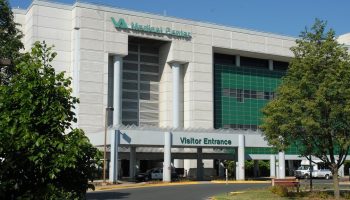
Minneapolis VA Health Care System VAMC

1 Veterans Drive Minneapolis, MN 55417
Detox Service Setting
Inpatient DetoxOutpatient DetoxMAT
Levels Of Care
InpatientPHPOutpatient+2
Minneapolis VA Health Care System VAMC

Park Avenue Center

2649 Park Avenue South Minneapolis, MN 55407
Detox Service Setting
Outpatient Detox
Levels Of Care
OutpatientDual Diagnosis
Park Avenue Center

Park Avenue Center – Women’s Facility

2318 Park Ave Minneapolis, MN
Detox Service Setting
Inpatient DetoxOutpatient Detox
Levels Of Care
InpatientOutpatient
Park Avenue Center – Women’s Facility

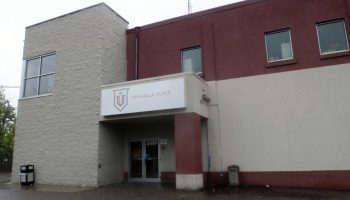
Valhalla Place

3329 University Avenue Southeast Minneapolis, MN 55414
Detox Service Setting
Outpatient DetoxMAT
Levels Of Care
OutpatientDual DiagnosisInpatient+1
Valhalla Place

Valhalla Place Brooklyn Park

2807 Brookdale Drive Minneapolis, MN 55444
Detox Service Setting
Outpatient Detox
Levels Of Care
OutpatientDual Diagnosis
Valhalla Place Brooklyn Park

Wayside Family Treatment Center

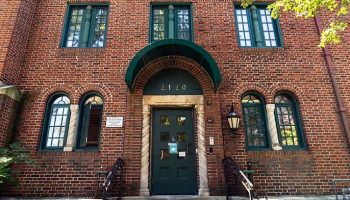
2120 Clinton Ave Minneapolis, MN 55404
Detox Service Setting
Inpatient DetoxOutpatient Detox
Levels Of Care
InpatientOutpatient
Wayside Family Treatment Center

American Indian Community Development Corp Detox Program

1800 Chicago Avenue Minneapolis, MN 55404
Detox Service Setting
Inpatient Detox
Levels Of Care

Fairview Recovery Services Minneapolis

2450 Riverside Avenue Minneapolis, MN 55454
Detox Service Setting
Hospital DetoxInpatient DetoxOutpatient Detox+1
Levels Of Care
InpatientOutpatientIntensive Outpatient+1

Fairview Recovery Services Minneapolis

2450 Riverside Ave Minneapolis, MN 55454
Detox Service Setting
Inpatient DetoxOutpatient Detox
Levels Of Care
InpatientOutpatient

Health Recovery Center

3255 Hennepin Ave S Minneapolis, MN 55408
Detox Service Setting
Inpatient DetoxOutpatient Detox
Levels Of Care
InpatientOutpatient

Health Recovery Center Inc

3255 Hennepin Avenue South Minneapolis, MN 55408
Detox Service Setting
Levels Of Care

Progress Valley Recovery Center for Men

308 East 78th Street Minneapolis, MN 55423
Detox Service Setting
Inpatient DetoxOutpatient Detox
Levels Of Care
InpatientOutpatientAftercare+2

Drug & Alcohol Detox in Minneapolis, MN

Minneapolis’s detoxification network combines state-regulated residential care with innovative, low-barrier harm reduction. Regulated by the Minnesota Department of Human Services (DHS) and the Minnesota Department of Health, the local system is aggressively expanding Medication-Assisted Treatment (MAT) and culturally responsive care.

Local leaders are prioritizing community-based organizations to address persistent health disparities among Native American and Black residents. This care is driven by Hennepin County’s $70 million share of historic opioid settlement funds.

Navigating care in Minneapolis requires an understanding of a recent, major systemic shift. In 2022, Minnesota officially retired the old “Rule 25” county assessment model. Now, if you are uninsured and underinsured, you can use “Direct Access,” which allows you to be evaluated by medical professionals without a referral.

This streamlined model allows you to bypass county bureaucratic delays and go straight to any DHS-enrolled provider of your choice for a comprehensive assessment and immediate access to treatment using the state’s Behavioral Health Fund (BHF).

Accessibility is a year-round challenge heavily influenced by brutal Twin Cities winters. Transportation via Metro Transit is vital, but telehealth and mobile outreach have become essential lifelines for those unable to commute in sub-zero temperatures.

To combat the highly toxic fentanyl supply, the city has also pioneered zero-barrier initiatives, notably installing free 24/7 Narcan vending machines at strategic Minneapolis Fire Stations, ensuring life-saving interventions are always accessible regardless of weather or financial status.
Find The Perfect Detox Center For You

Filter treatment centers in Minneapolis by level of care offered to find the best detox program for you or a loved one.

Paying for Detox in Minneapolis

Understanding the cost of drug and alcohol detox in Minneapolis is a priority. Costs depend on multiple factors, but there are local and state financial solutions that allow you to access quality care regardless of income.

How Much Does Detox Cost in Minneapolis?

The cost of detox in Minneapolis depends heavily on the level of care required, the severity of your withdrawal symptoms and the type of facility where you receive treatment. Other factors that influence your overall treatment include medically supervised withdrawal, your length of treatment and the specific medication requirements needed to meet your challenges.

You can significantly reduce your out-of-pocket expenses by using commercial health insurance or state-funded programs like the Behavioral Health Fund. Outpatient programs can combine medical oversight with counseling, allowing you to maintain your daily life while recovering.

This helps to greatly reduce costs when care is compared to hospital treatment. Average estimated costs in the region are:

$5,000 - $15,000
Medical Detox
$3,000 - $8,000
Inpatient Rehab
$1,000 - $3,000
Outpatient Rehab
$4,000 - $6,000 annually
Methadone Treatment

Does Private Insurance Cover Detox in Minneapolis?

Private insurance providers in Minnesota are bound by both the federal Affordable Care Act and the Minnesota Mental Health Parity Act. This means commercial insurers must provide substance use disorder and detox coverage that is comparable to standard medical and surgical benefits.

The Minnesota Department of Commerce regulates private health plans to ensure they are compliant with parity laws. While coverage is guaranteed, the deductibles, copays and network restrictions depend on your individual plan. The 6 most popular private health insurance providers in Minneapolis and the state include:

Bcbs Minnesota
Medica
Health Partners
Ucare
United Health Care
Cigna

Medicare and Medicaid in Minneapolis

Medicare

In Minnesota, Medicare covers inpatient and outpatient detox services for Minneapolis residents. Medicare Part B covers MAT services, including medications like methadone and buprenorphine, when services are provided by Medicare-approved Opioid Treatment Programs. Copays and deductibles apply based on your specific Medicare plan.

Medicaid

The Minnesota Medicaid program, known as Medical Assistance (MA), offers comprehensive coverage for detox, residential treatment and outpatient services. Through the state’s Direct Access model, residents with MA can seek immediate assessments and detox care from any provider enrolled in the program without prior county authorization.

Other Ways to Pay for Detox Treatment

Do not let cost become a barrier to receiving life-saving detox in Minneapolis. There are several ways to pay for addiction treatment when you don’t have private health insurance:

Sliding Scale Payment Systems: 

Federally Qualified Health Centers (FQHCs) and community clinics, such as the Native American Community Clinic (NACC) and NorthPoint Health & Wellness Center, offer services on a sliding fee scale based on several criteria, including income and family size.

Local Government Programs: 

When you are uninsured, you can utilize the state’s Behavioral Health Fund (BHF) via “Direct Access,” allowing you to walk into any state-enrolled provider for an assessment and state-funded treatment without out-of-pocket costs.

Nonprofits & Charities: 

Minneapolis is home to numerous faith-based and secular nonprofits that offer care regardless of financial status, including the Salvation Army Harbor Light Center and Minnesota Adult & Teen Challenge.

Veterans Programs: 

Veterans in the Twin Cities can access specialized, fully funded detoxification and substance use disorder programs through the Minneapolis VA Health Care System, located near Minnehaha Park.

Minneapolis, Minnesota Regulations and Accreditation for Detox

Key regulatory and accreditation bodies that oversee detox and withdrawal management services in Minneapolis and Minnesota include:

Minnesota Department of Human Services (DHS) Behavioral Health Division

This is the primary state licensing authority for substance use disorder (SUD) treatment. DHS issues licenses for detoxification programs, manages the Behavioral Health Fund and oversees the “Direct Access” system for state-funded care.

Website: mn.gov

Minnesota Department of Health (MDH)

MDH licenses and regulates hospitals and specialized healthcare facilities that administer acute medical detox. They also track epidemiological data on overdoses and manage the state’s Syringe Services Programs Network.

Hennepin County Public Health

While state agencies handle facility licensing, Hennepin County Public Health implements local behavioral health initiatives, manages the distribution of millions in opioid settlement funds and funds community-based harm-reduction contracts.

Website: hennepin.us

Key MAT Medications and Regulatory Status in Minneapolis

Federal SAMHSA guidelines and state DHS rules regulate medication-assisted treatment (MAT) in Minneapolis. The state mandates that MAT be integrated with comprehensive counseling and behavioral therapies to support long-term recovery. Commonly used FDA-approved medications include:

Buprenorphine: 

Highly accessible in Minneapolis, buprenorphine can be prescribed by certified providers in standard clinic settings or via telehealth. This flexibility allows patients to manage withdrawal safely from home, lowering the barrier to entry for opioid treatment.

Methadone: 

Methadone must be dispensed at federally and state-certified Opioid Treatment Programs (OTPs) such as Valhalla Place, as it is heavily regulated and restricted. Despite daily dosing requirements, it is fully covered by Medical Assistance (MA), making it an accessible option for low-income residents.

Naltrexone:

Since it is non-addictive and carries no abuse potential, naltrexone (including the injectable Vivitrol) can be prescribed by any standard healthcare provider. It is highly effective for both alcohol and opioid use disorders and is widely utilized in Minneapolis clinical settings.

Overdose Prevention and Harm Reduction in Minneapolis

Minneapolis and Hennepin County feature a robust harm reduction network designed to prevent fatal overdoses, reduce the spread of infectious diseases and provide safe entry points into treatment.

Local agencies, public health departments and culturally-focused organizations work collaboratively to distribute naloxone, provide sterile supplies and offer drug checking services.

These initiatives are crucial for keeping the community safe from an increasingly toxic drug supply dominated by fentanyl.

Southside Harm Reduction Services

Mobile and Text-Based Delivery of Supplies Naloxone (Narcan) Distribution Syringe Exchange Fentanyl Test Strips and Wound Care

Southside Harm Reduction is a grassroots organization that operates across South Minneapolis and beyond. The program delivers sterile supplies and Narcan directly to people who use drugs. Their mobile delivery model bypasses transportation barriers and brings life-saving tools directly to vulnerable populations.

Red Door Clinic

Anonymous Syringe Exchange Naloxone and Hygiene Kits Fentanyl and Xylazine Test Strips Drug Checking Services STI and HIV Testing

Located in downtown Minneapolis, the Red Door Clinic operates under Hennepin County Public Health. It offers an anonymous, non-judgmental space where you can access clean syringes, comprehensive infectious disease testing and advanced drug checking.

Indigenous Peoples Task Force (IPTF)

Culturally Specific Harm Reduction Naloxone Distribution HIV and Hepatitis C Testing Fentanyl Test Strips

IPTF provides essential harm reduction services specifically tailored to the local Native American community. Operating out of South Minneapolis, they combine sterile supply distribution with traditional healing practices and infectious disease education.

Minneapolis Fire Department Safe Stations

24/7 Free Narcan Vending Machines (Stations 14 & 21) Safe Syringe Drop Boxes First-Responder Overdose Intervention

The City of Minneapolis has transformed local fire stations into critical harm reduction hubs. Several stations offer safe syringe drop-off points and specific locations feature outdoor vending machines that dispense free Narcan 24 hours a day, removing all stigma and barriers to access.

Detox Statistics in Minneapolis, Minnesota

While robust local harm reduction efforts are actively saving lives, the Minneapolis area continues to battle a highly lethal illicit drug market. Recent data highlights both encouraging progress and the ongoing need for targeted interventions.

98% Fentanyl Involvement In 2024: 

An estimated 98% of synthetic opioid overdose deaths across the state of Minnesota involved illicitly manufactured fentanyl.

Disparities Persist in Overdoses: 

Despite overall declines in 2024, Native American and Black residents in Hennepin County continue to experience significantly higher overdose death rates than white residents.

164 Boxes of Narcan Dispensed Monthly: 

The zero-barrier Narcan vending machine at Minneapolis Fire Station 21 dispensed an average of 164 boxes of life-saving naloxone per month in late 2024.

FAQs About Detox in Minneapolis, MN

How does "Direct Access" work for uninsured Minneapolis residents?

Direct Access allows uninsured or underinsured residents of the city to bypass county “Rule 25” assessments. You can walk into any state-enrolled substance use disorder clinic in Minneapolis for a comprehensive assessment and they will help you directly apply for the Behavioral Health Fund to cover your treatment.

Are there culturally specific detox programs for Native Americans in Minneapolis?

Yes, Minneapolis has a strong network of culturally specific care. Programs like the Native American Community Clinic (NACC) and the American Indian Community Development Corporation (AICDC) integrate traditional healing, smudging and cultural support alongside clinical detox and MAT services.

Does Steve's Law protect me if I call 911 for an overdose in Minneapolis?

Minnesota’s Good Samaritan Law, widely known as “Steve’s Law,” provides limited protection from criminal prosecution for possession of drugs or paraphernalia if you call 911 in good faith to seek medical assistance for someone experiencing an overdose.

Can I safely dispose of used syringes in Minneapolis?

Yes, Minneapolis offers many safe disposal options. You can drop off used syringes at public health drop boxes in various neighborhoods, or utilize the free needle drop-off services provided at multiple Minneapolis Fire Department locations, including Stations 2, 6, 7, 14 and 17.

How does winter weather impact detox access in the Twin Cities?

Brutal winters can make traveling to daily clinics or outpatient detox highly dangerous. During severe weather, telehealth buprenorphine prescriptions and mobile outreach units (like Southside Harm Reduction) become vital lifelines to prevent you from missing doses or being forced into sudden withdrawal.

Two people talking
Get Help Today!
If you or a loved one is in need of help, call today. Pick up the phone and get the help you need.
800-483-2193
Confidential. Available 24 Hours
Get Help Today Phone icon 800-779-4314