919-289-3798
Freedom Detox
Gastonia, NC
28054
| Name | Address | Detox Service Setting | Levels Of Care | Media |
|---|---|---|---|---|
Genesis DWI Services |
319 Chapanoke Road Raleigh, NC 27603 |
Detox Service Setting
Inpatient DetoxOutpatient Detox
|
Levels Of Care
InpatientOutpatient
|
|
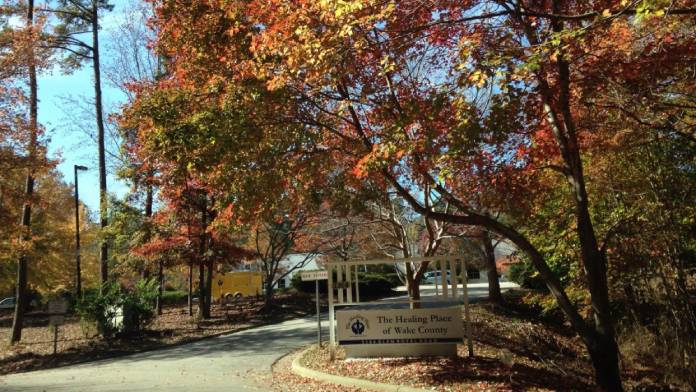
Healing Transitions |
3304 Glen Royal Rd Raleigh, NC 27617 |
Detox Service Setting
Inpatient DetoxOutpatient Detox
|
Levels Of Care
InpatientOutpatient
|

|
Healing Transitions Men Campus |
1251 Goode Street Raleigh, NC 27603 |
Detox Service Setting
Inpatient DetoxOutpatient Detox
|
Levels Of Care
InpatientOutpatient
|
|
Healing Transitions Womens Campus |
3304 Glen Royal Road Raleigh, NC 27617 |
Detox Service Setting
Inpatient Detox
|
Levels Of Care
Inpatient
|
|
SouthLight Healthcare |
2101 Garner Road Raleigh, NC 276104687 |
Detox Service Setting
Outpatient DetoxMAT
|
Levels Of Care
InpatientOutpatientPHP
|
|
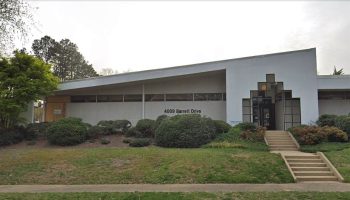
The Carter Clinic, P.A. |
4009 Barrett Drive Raleigh, NC 27609 |
Detox Service Setting
Outpatient DetoxMAT
|
Levels Of Care
OutpatientDual Diagnosis
|
|
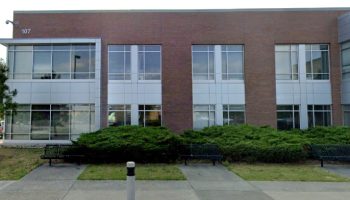
Unc Health Care Alcohol And Drug Detoxification Unit At Wakebrook |
107 Sunnybrook Rd Raleigh, NC 27610 |
Detox Service Setting
Inpatient DetoxOutpatient Detox
|
Levels Of Care
InpatientOutpatient
|
|
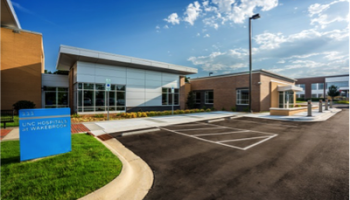
Wake County Crisis Stabilization Center |
107 Sunnybrook Road Raleigh, NC 27610 |
Detox Service Setting
Outpatient DetoxMAT
|
Levels Of Care
InpatientOutpatientPHP
|
|
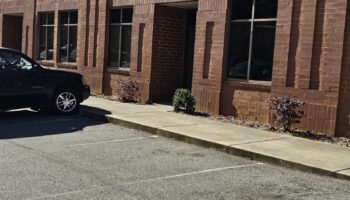
Wake County VA Clinic |
3040 Hammond Business Place Raleigh, NC 27603 |
Detox Service Setting
Outpatient DetoxMAT
|
Levels Of Care
Outpatient
|
|
Carolina House – Outpatient |
1340 Sunday Drive Suite 105 Raleigh, NC 27607 |
Detox Service Setting
Hospital DetoxInpatient DetoxOutpatient Detox
|
Levels Of Care
InpatientOutpatientDual Diagnosis+2
|
|
Fernandez Community Center |
3050 Berks Way Raleigh, NC 27614 |
Detox Service Setting
Outpatient DetoxMAT
|
Levels Of Care
AftercareOutpatient
|
|
Good Samaritan Counseling PA Donnie D Harrison |
183 Wind Chime Court Raleigh, NC 27615 |
Detox Service Setting
|
Levels Of Care
|
|
New Waters Recovery & Detox North Carolina |
3810 Bland Road Raleigh, NC 27609 |
Detox Service Setting
Inpatient DetoxOutpatient DetoxMAT
|
Levels Of Care
InpatientOutpatientIntensive Outpatient
|
|
RMTC – Raleigh Methadone Treatment Center |
6118 Saint Giles Street Raleigh, NC 27612 |
Detox Service Setting
Outpatient DetoxMAT
|
Levels Of Care
Outpatient
|
|
The Carter Clinic, P.A. |
4009 Barrett Drive Raleigh, NC 27609 |
Detox Service Setting
Outpatient DetoxMAT
|
Levels Of Care
OutpatientDual Diagnosis
|
|
Welwynn Outpatient Center |
7200 Falls of Neuse Rd. #300 Raleigh, NC 27615 |
Detox Service Setting
Hospital DetoxInpatient DetoxOutpatient Detox+1
|
Levels Of Care
InpatientOutpatientDual Diagnosis+3
|
Medical systems, expanding public health initiatives and strong community support provide detox services in Raleigh. The North Carolina Department of Health and Human Services (NCDHHS) regulates these services. The regional Local Management Entity/Managed Care Organization (LME/MCO) is Alliance Health, which manages local care.
The state expanded Medicaid coverage in 2023 to include thousands of Raleigh citizens who were previously uninsured. This helps you gain access to detox and addiction treatment that can save your life.
Your treatment may start with private medical detox where you can receive supervised withdrawal support. Raleigh is also home to Healing Transitions. This is a nationally recognized organization led by your peers. They offer non-medical social detox and emergency shelter.
Healing Transitions serves as a critical first step on your recovery journey. Recent initiatives are also helping to make a difference in the community. Wake County is strategically deploying millions of dollars in opioid settlement funds to expand local harm reduction, medication-assisted treatment (MAT) and post-detox recovery services.
The state funds or subsidizes many treatment beds managed by Alliance Health. You must have an initial assessment from an in-network provider or local crisis center to receive care.
Outpatient MAT clinics also provide an alternative to inpatient programs. This allows you to manage withdrawal safely while living in the community.
Regulatory and accreditation organizations are tasked with ensuring that detox and withdrawal management services provide the necessary care and meet National standards. This helps you identify treatment facilities that may provide quality care you can trust throughout North Carolina.
Costs depend on several factors. These factors include your level of treatment and the severity of your withdrawal symptoms. Your expenses are influenced by whether services are provided in a hospital, residential facility or outpatient clinic.
The length of stay and your medication also heavily influence your final bill. Several strategies can reduce your out of pocket expenses. These include health insurance, state funding, crowdsourcing, scholarships, grants or sliding-scale fees.
Outpatient MAT programs use prescribed medications, counseling and support. Now you can manage recovery while maintaining your daily responsibilities.
The cost of outpatient MAT programs depends primarily on the medication you are prescribed. Below are the average cost ranges you might find.
Private insurance companies in North Carolina are required to comply with the Affordable Care Act. This Act requires that your mental health and substance abuse treatment coverage provide the same level of benefits as standard medical benefits.
The North Carolina Department of Insurance monitors insurance companies to ensure they are compliant with the rules. You can check coverage and network status through your provider or the healthcare marketplace.
The most common commercial insurance companies in Raleigh include:
Medicare covers inpatient and outpatient alcohol and drug detox for eligible residents. They also cover Opioid Treatment Program (OTP) services with prescription medications under Part B. Copays and deductibles depend on your treatment setting, services and your Medicare plan.
North Carolina expanded Medicaid coverage in 2023. This allowed thousands more people to access addiction treatment. NC Medicaid Direct covers inpatient, residential, outpatient detox and MAT. Prior authorization may be required.
Detox and rehab can be expensive but they are critical parts of your recovery and restoration of your physical and mental health. Don’t let cost be a barrier to your treatment. Consider the following ways to pay for addiction treatment when you don’t have private health insurance.

Many local providers offer a sliding fee scale when you meet eligibility requirements. Some of the local providers include Advance Community Health and SouthLight Healthcare. This increases your access to outpatient detox and MAT.
Raleigh has strong nonprofit resources. For example, Healing Transitions provides long-term recovery and nonmedical detox services at no cost. They rely on community support and philanthropic grants.
Alliance Health serves as Wake County’s LME/MCO, utilizing state and federal block grants to fund detox and substance use treatment for uninsured residents who meet specific criteria.
Veterans in the Triangle area can access specialized substance use treatment and detox services. These services include MAT and counseling through the Wake County VA Clinic or the nearby Durham VA Medical Center.
Key regulatory and accreditation bodies oversee detox and withdrawal management services in Raleigh and throughout North Carolina. These organizations help ensure detox facilities maintain industry standards and provide quality care you can trust.
NCDHHS is the primary state authority overseeing behavioral health. The Division of Health Service Regulation (DHSR) licenses detox facilities. The Division of Mental Health, Developmental Disabilities and Substance Abuse Services (DMH/DD/SAS) establishes treatment standards and policies.
Alliance Health operates as the Local Management Entity/Managed Care Organization (LME/MCO) for Wake County. They manage public mental health, intellectual/developmental disability and substance use disorder services. They oversee the network of publicly funded detox providers across Raleigh.
The county health department plays a crucial role in the local public health response but the state licenses facilities. They manage opioid settlement initiatives, track overdose data and fund community-level harm reduction and intervention programs.
Federal SAMHSA and DEA guidelines regulate medication assisted treatment (MAT) in Raleigh. Treatment must also meet NCDHHS state rules.
North Carolina emphasizes integrating MAT with behavioral counseling to support your comprehensive recovery. Taking these steps is necessary to support your recovery and reduce your opioid cravings and withdrawal symptoms.
Below are some of the more common FDA-approved drugs prescribed.
Buprenorphine can be prescribed by certified outpatient clinics, primary care providers and via telehealth. This accessibility and flexibility reduce barriers to care. This allows you to manage withdrawal symptoms safely while living at home.
Methadone treatment is restricted to federally certified Opioid Treatment Programs (OTPs). This includes Morse Clinic or SouthLight Healthcare in Raleigh. You typically need to make daily visits to receive treatment covered by Medicaid.
Naltrexone is a non-addictive, non-narcotic opioid antagonist. It requires no specialized DEA waivers. The injectable form (Vivitrol) is heavily used in Raleigh’s outpatient and diversion programs for alcohol and opioid use disorders.
Raleigh has a proactive harm reduction network. These resources help prevent fatal overdoses and reduce the spread of infectious diseases. The harm reduction network can also help connect you with treatment. Local health departments and organizations also give away free naloxone, provide clean syringes and offer educational resources.
These harm reduction services are often the first place you get help. This can also serve as a vital bridge to detox and long-term recovery.
NCHRC is headquartered in Raleigh. It is a leading statewide agency operating local syringe exchanges. They prioritize distributing overdose rescue kits and safe use supplies to active injection drug users. This has significantly lowered local hepatitis C and HIV transmission rates.
The Wake County Public Health Pharmacy provides free, no-questions-asked naloxone kits to the public. This initiative empowers community members and families to carry life-saving reversal medication.
Healing Transitions is primarily a recovery program. It is a large community safety net. They offer many harm reduction opportunities such as immediate shelter, peer support and street-level outreach. This means you have a safe alternative to living on the streets while preparing you for your recovery journey.
SouthLight includes harm reduction in its public health options. They offer overdose education and distribute naloxone. This helps you and your support system to be prepared to prevent fatalities during a relapse.
The area has recently included far more harm reduction opportunities and has expanded treatment access to the community. The results have been promising, but the area continues to face a challenging opioid epidemic.
Wake County lost 233 residents to fatal drug overdoses in 2023. This was a decrease from the 241 deaths in 2022 and a slight stabilization.
North Carolina followed a strong regional trend with a 48% overall decrease in emergency department visits for opioid overdoses between 2023 and 2025.
Statewide data indicated that total overdose-related emergency department visits dropped by 14% between 2024 and 2025.
Alliance Health provides state funded care to uninsured residents. This is the LME/MCO for Wake County. You can call their 24/7 Access and Information Line for a screening and referral. Healing Transitions offers free, walk-in, non-medical detox on a first-come, first-served basis.
Yes, thanks to North Carolina’s recent Medicaid expansion, Medicaid Direct covers all FDA-approved forms of MAT, including methadone. SouthLight Healthcare and the local Opioid Treatment Programs cover your medication and the required behavioral counseling under Medicaid.
Yes, several bus routes service major medical and treatment areas. Facilities like Advance Community Health, SouthLight Healthcare and WakeMed are along the city’s bus network, making outpatient detox and daily MAT easily available when you don’t have a car.
Free fentanyl and xylazine test strips, clean syringes and naloxone are available at the North Carolina Harm Reduction Coalition (NCHRC). They are located on Barrett Drive in Raleigh. Wake County Health and Human Services also passes out harm reduction supplies.
Yes, eligible veterans can get detox, substance use counseling and medication assisted treatment at the Wake County VA Clinic. Eligible veterans can also get inpatient medical detox or intensive residential care at Durham VA Medical Center.